


About
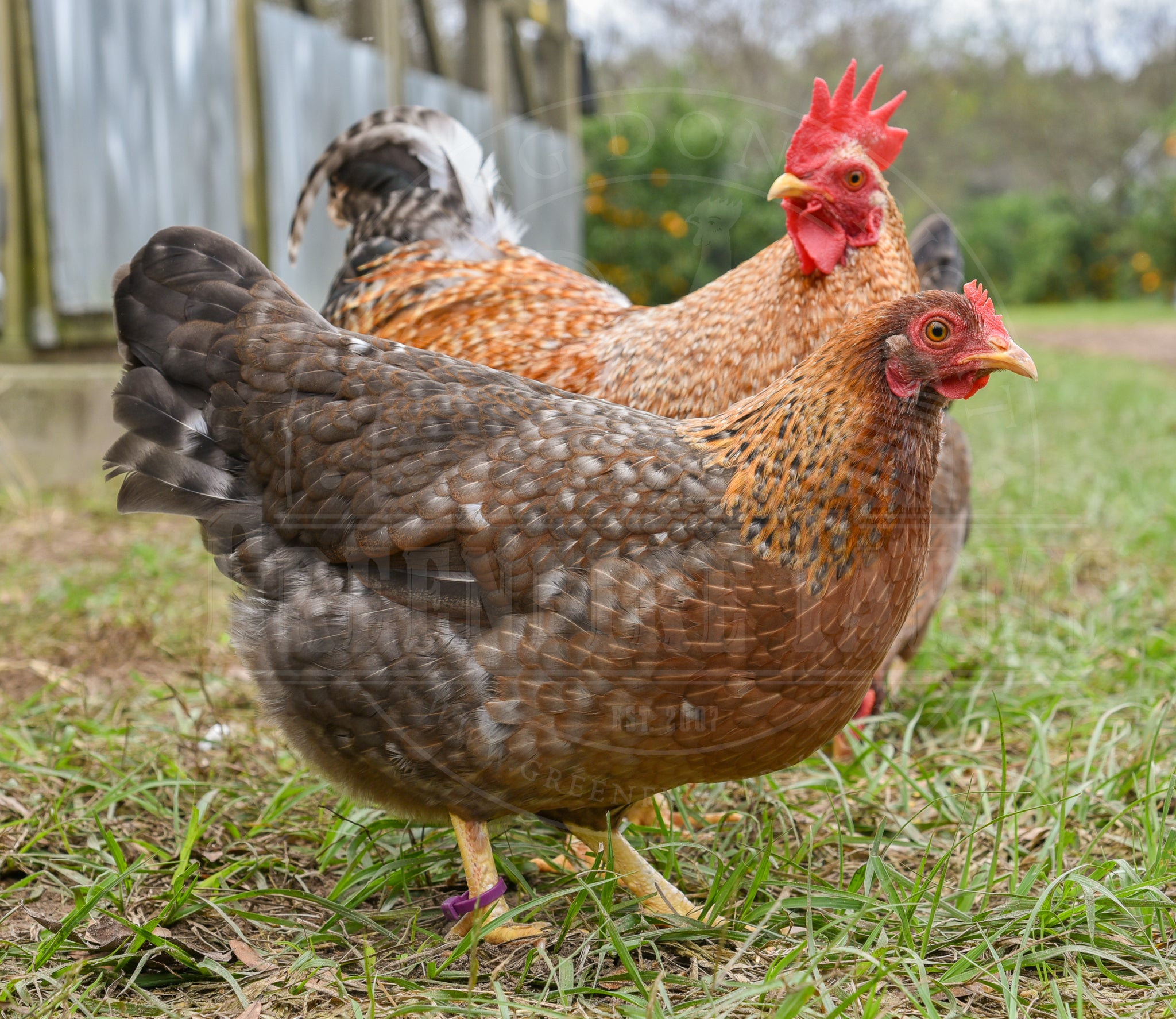
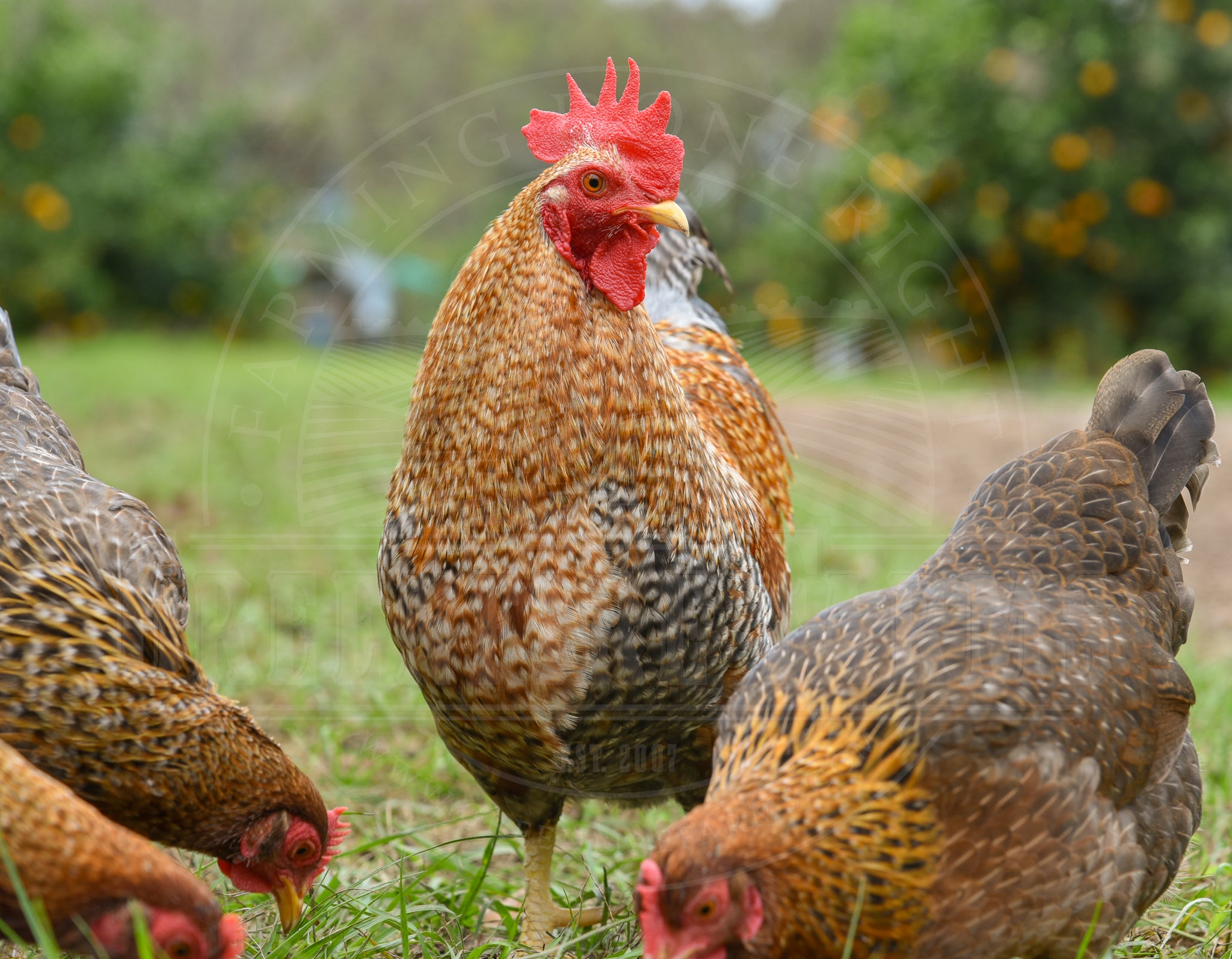
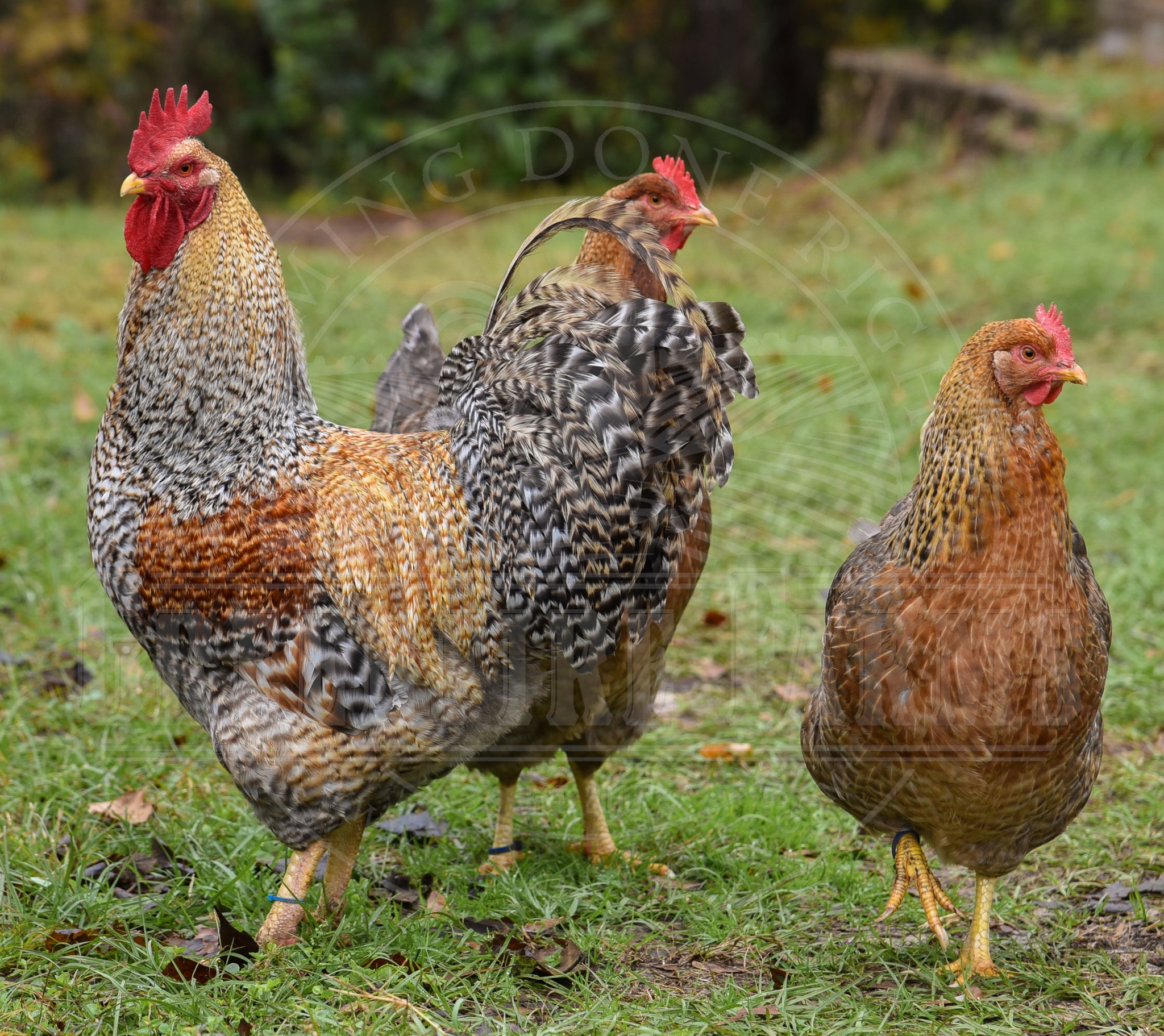
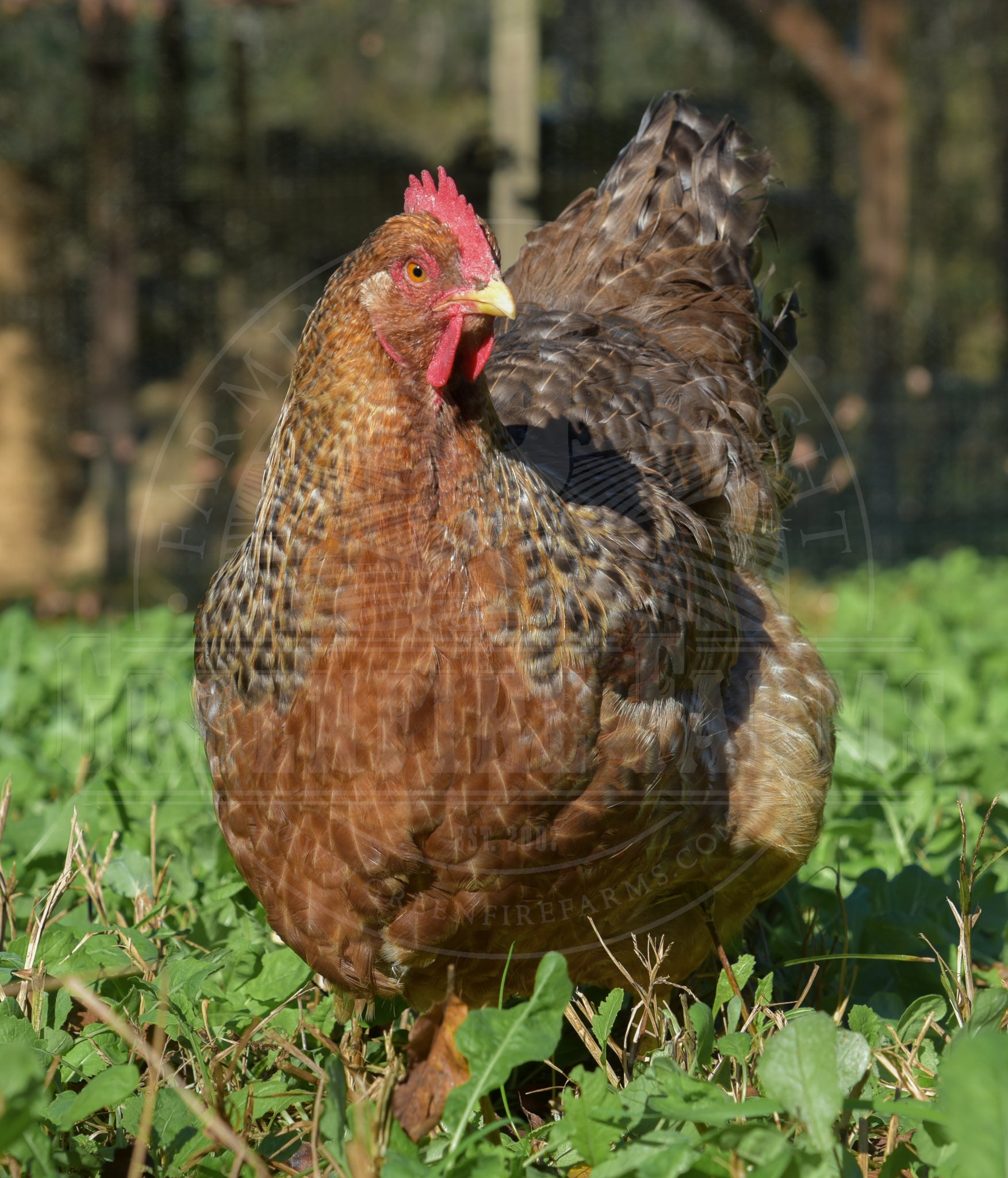
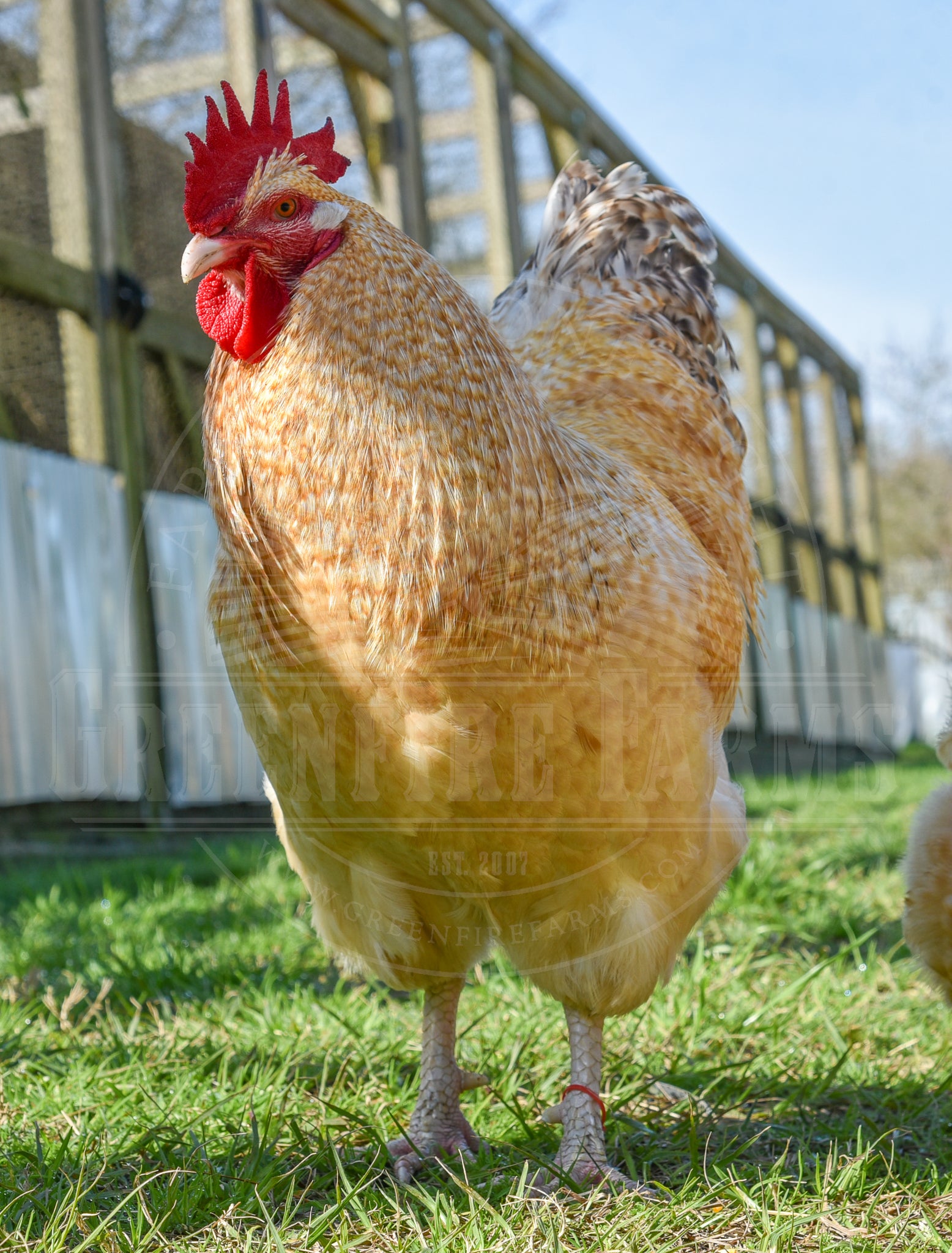
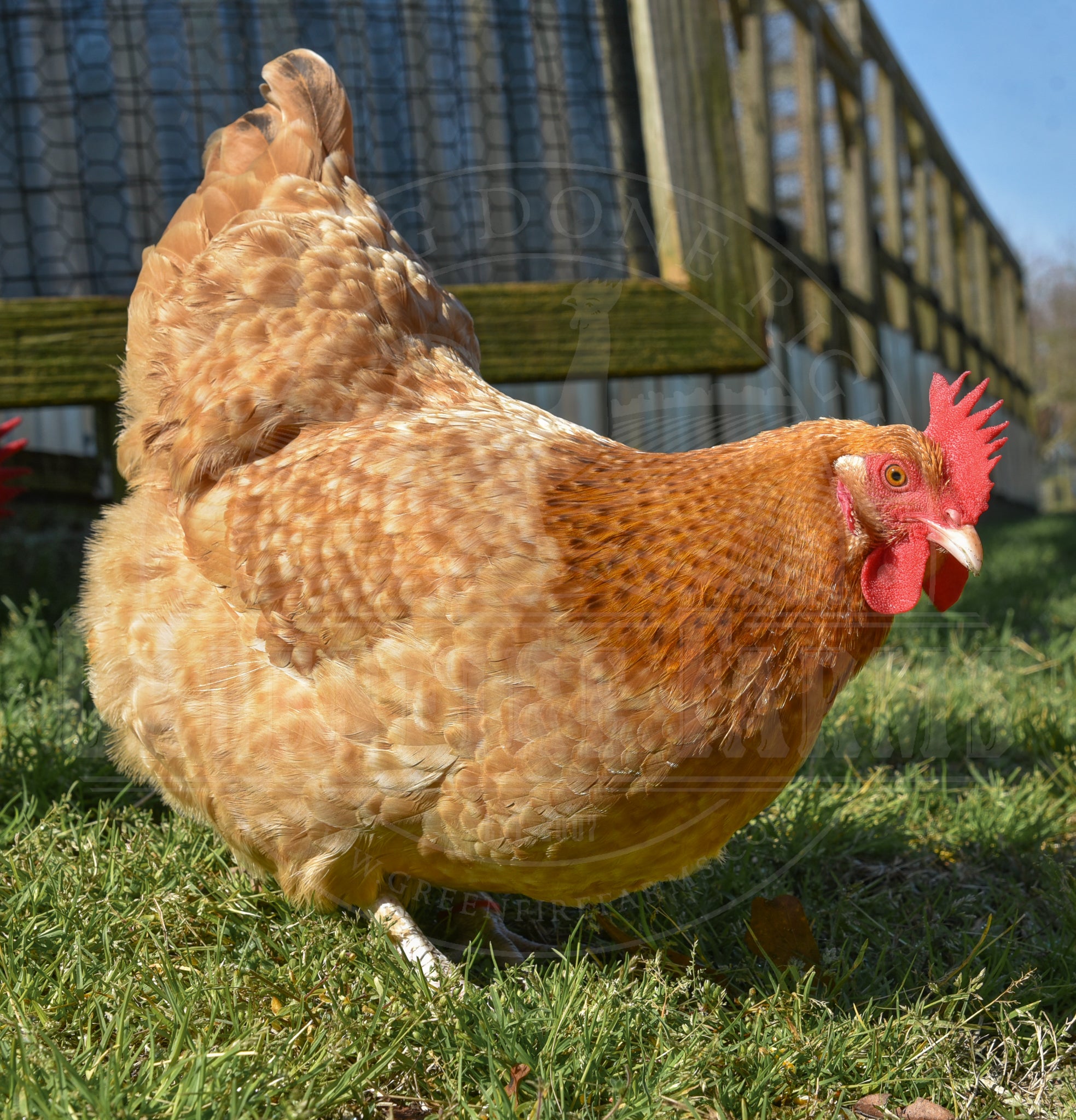
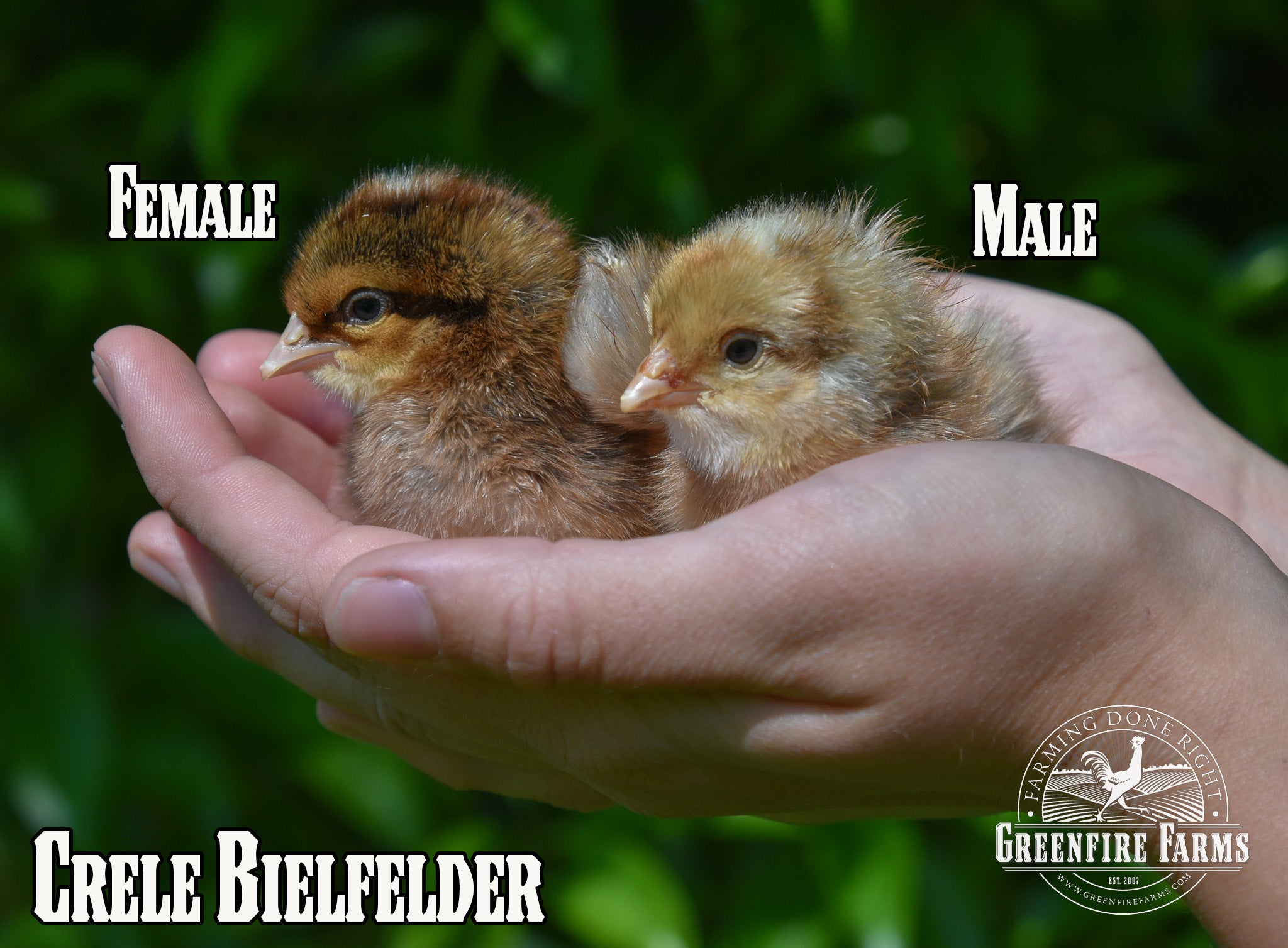
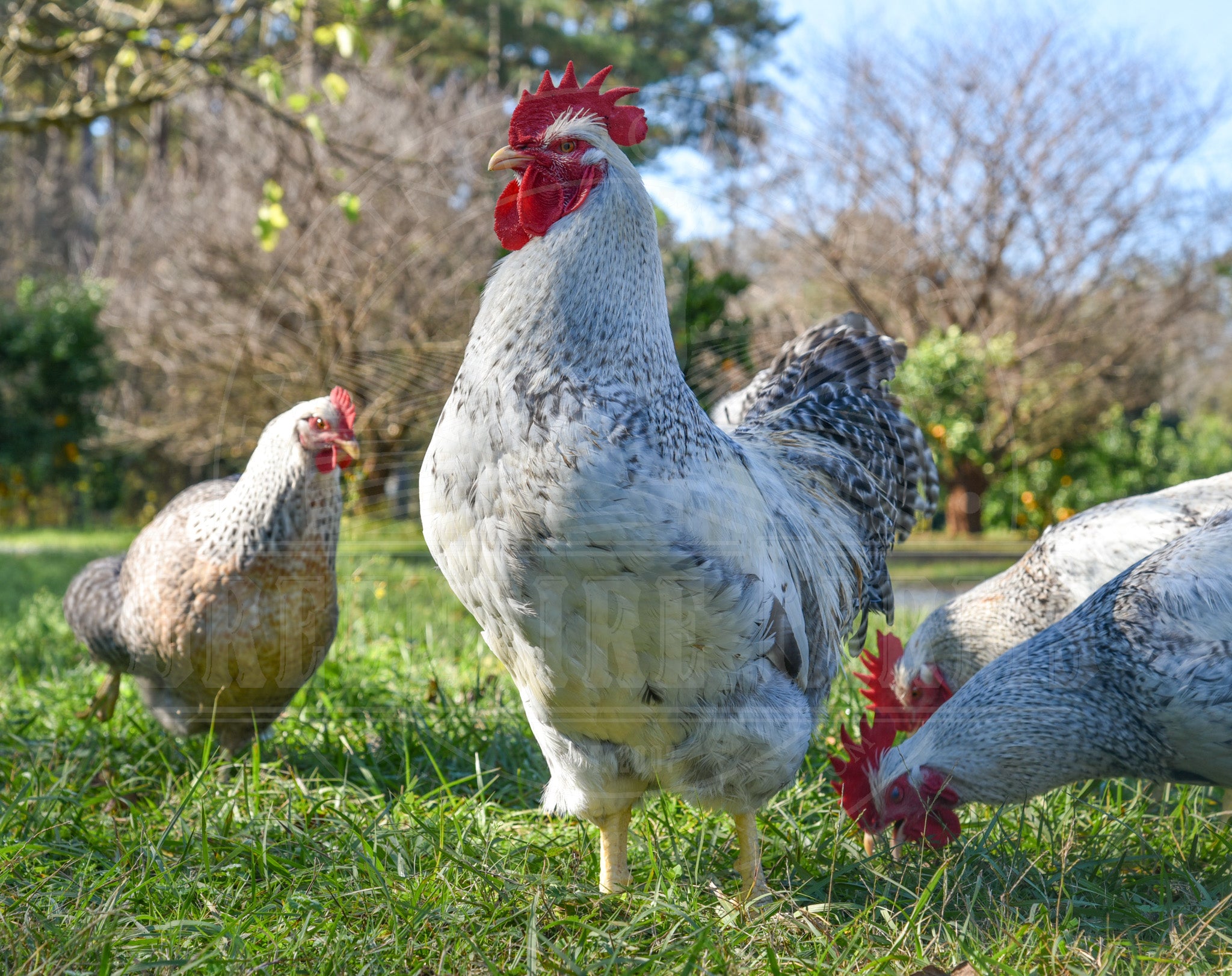
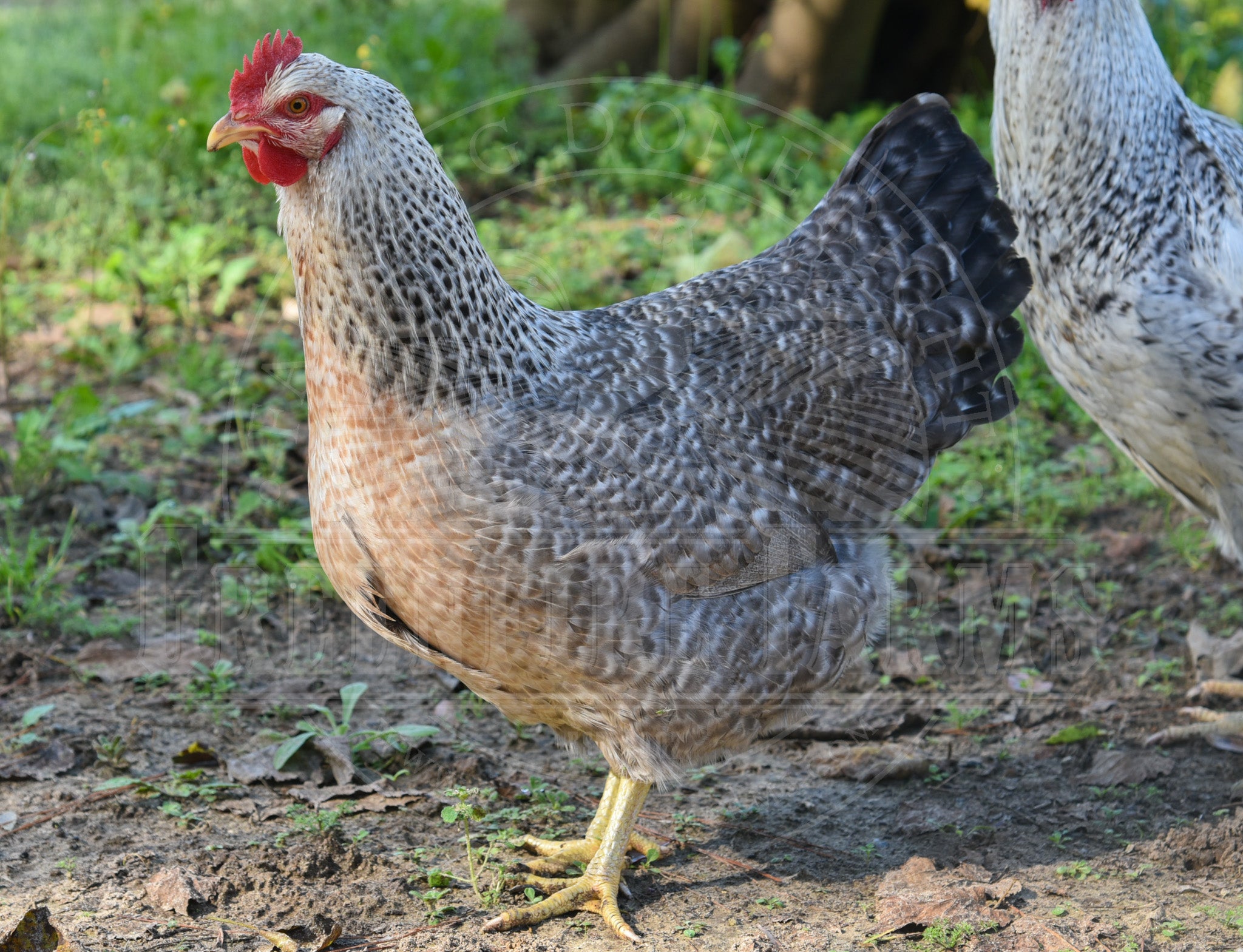
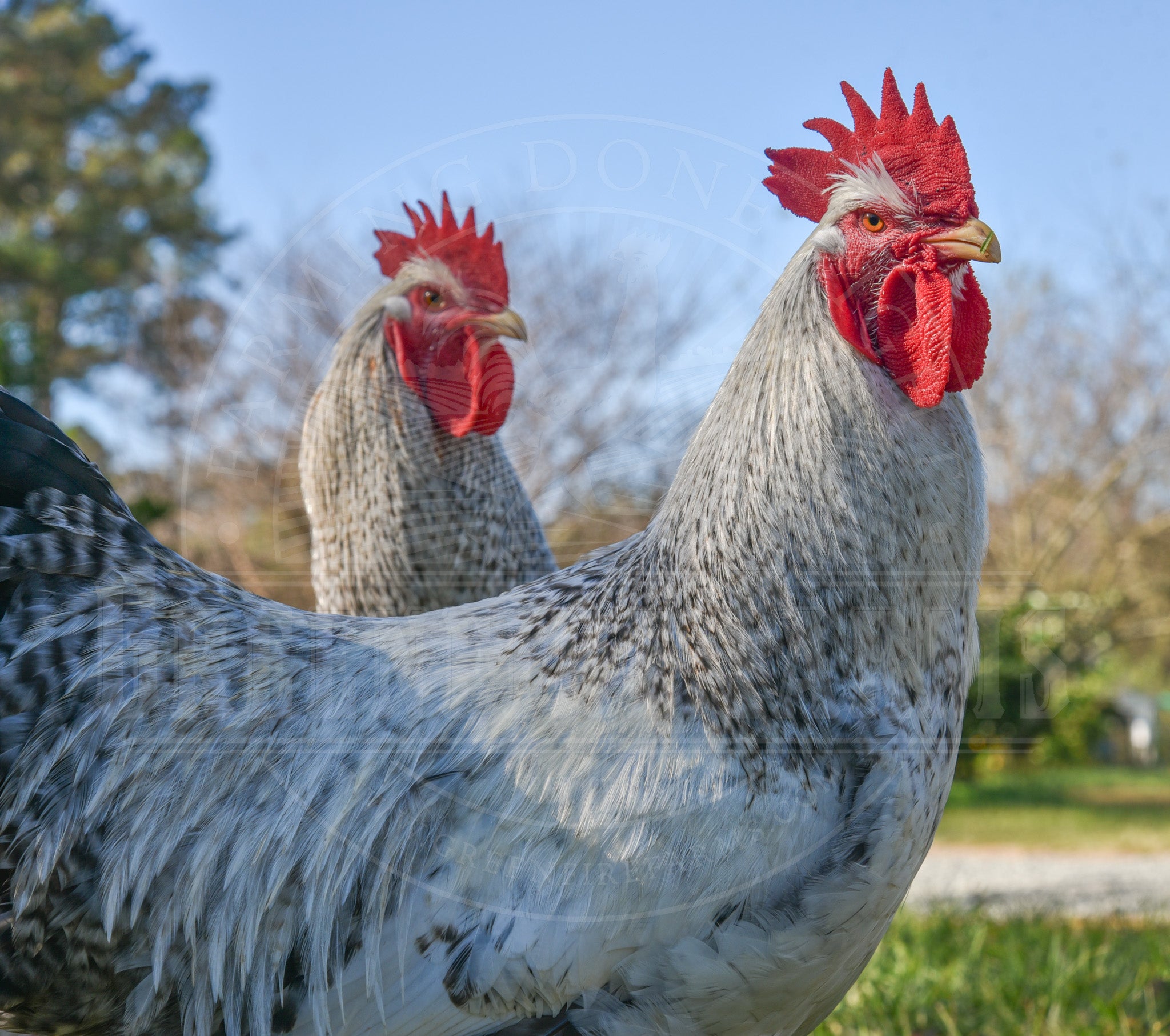
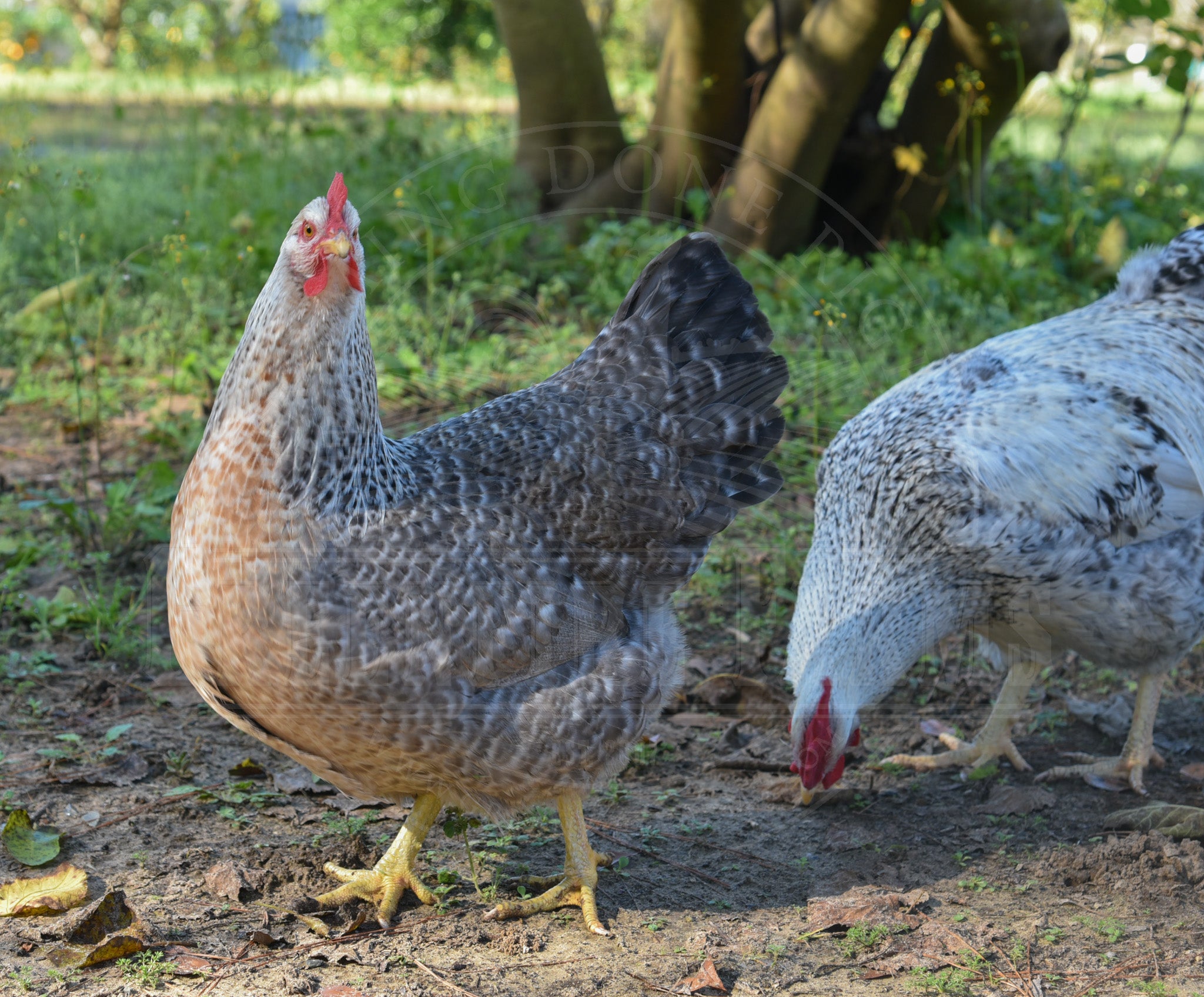
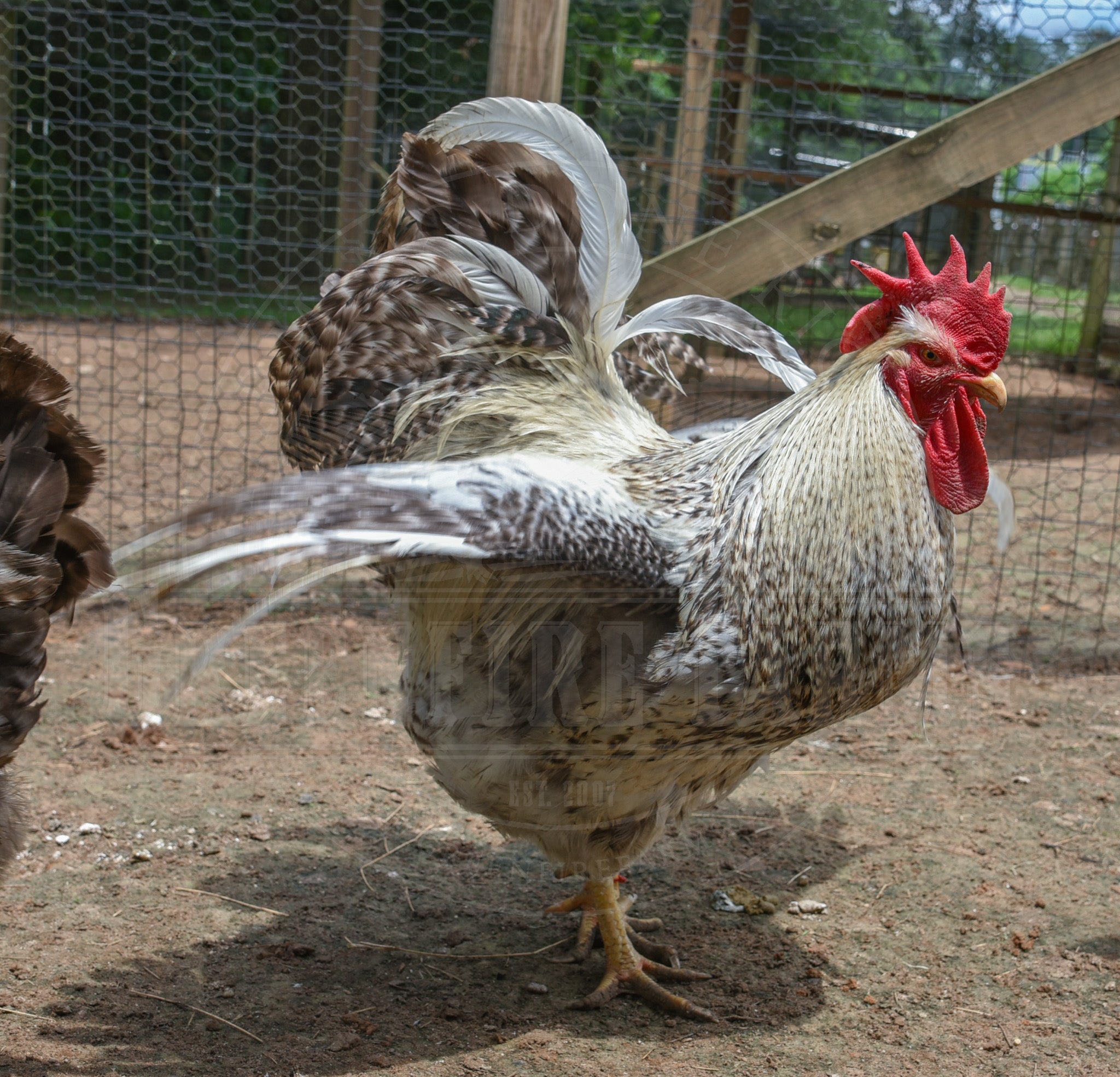
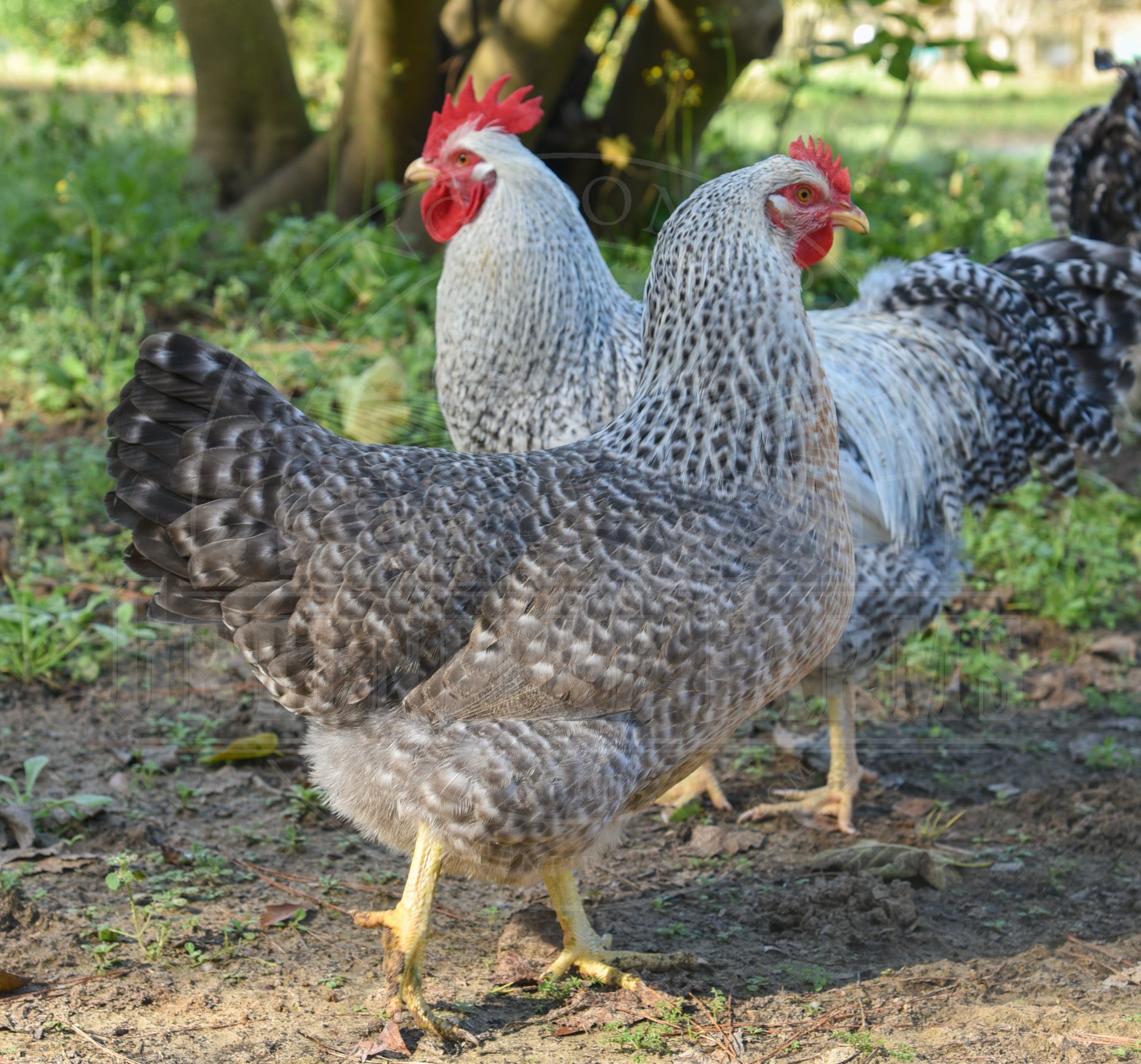
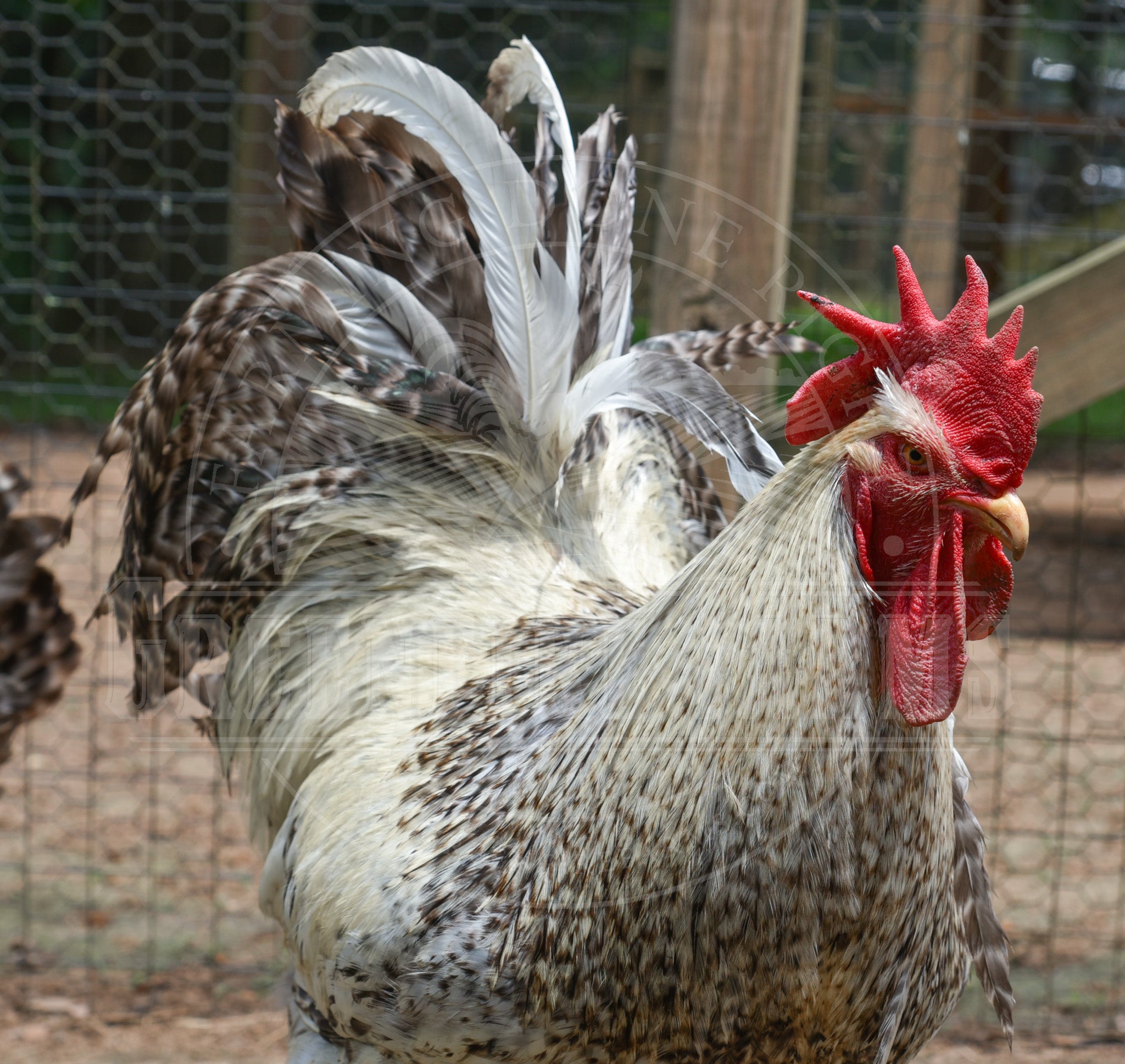
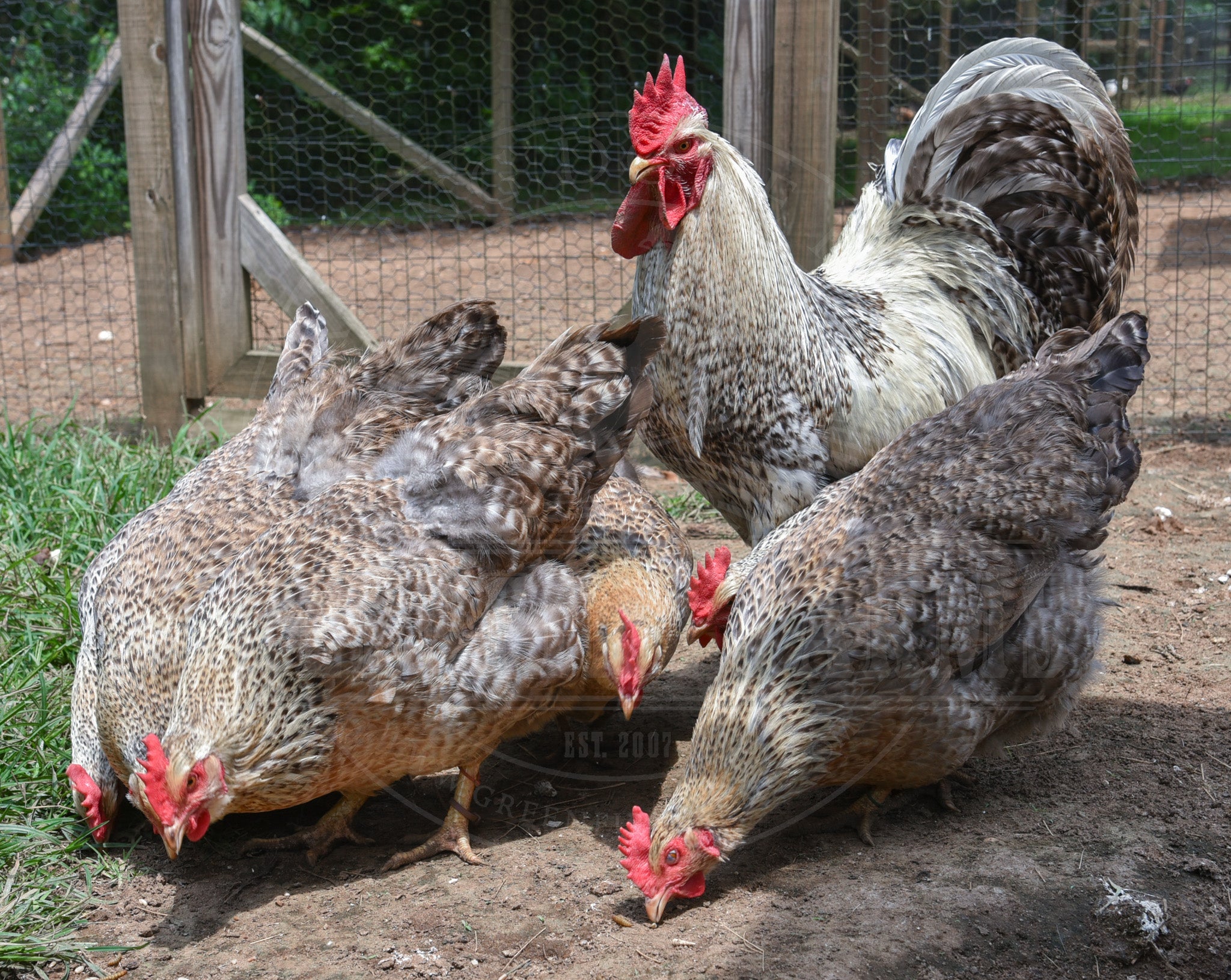
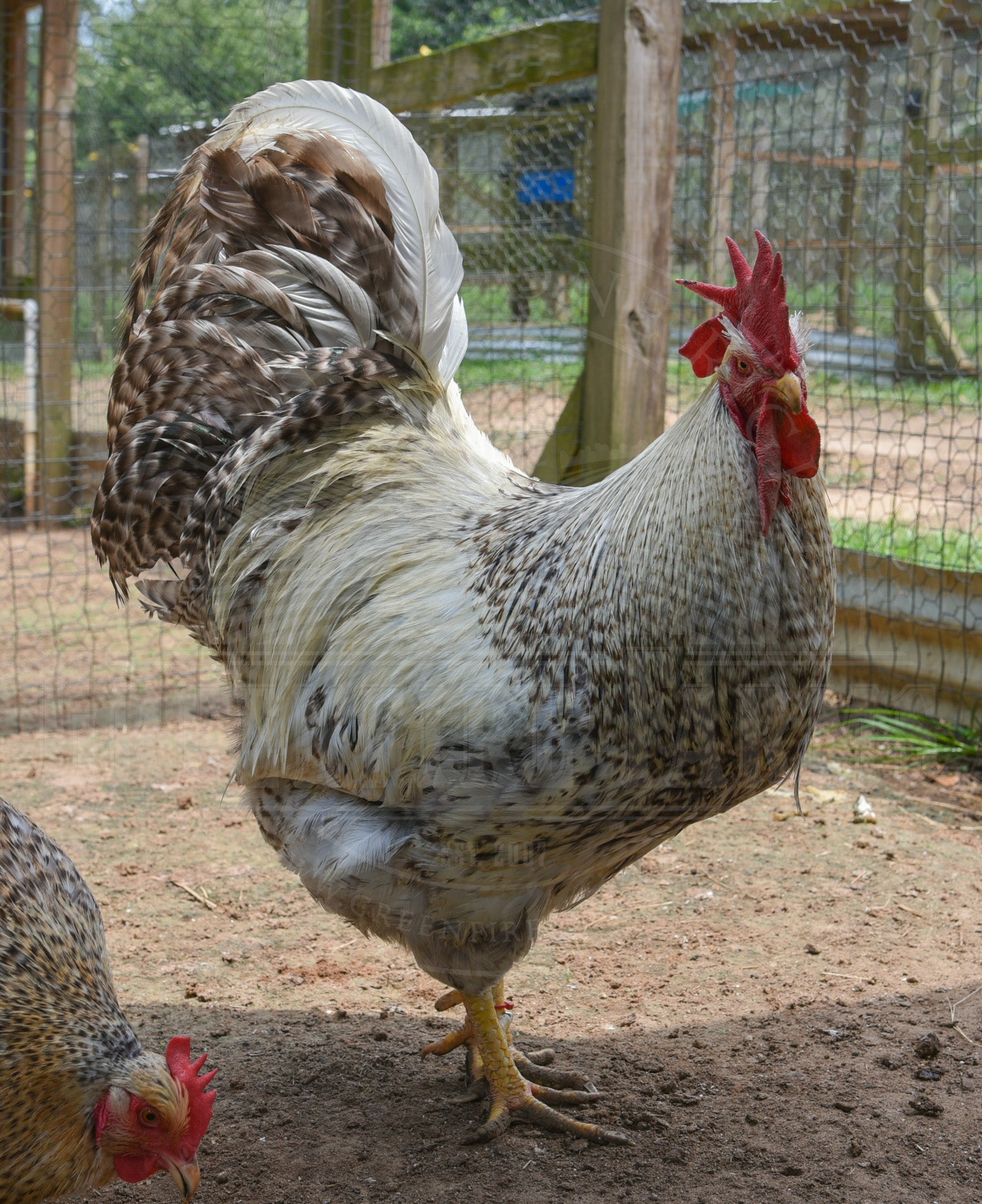
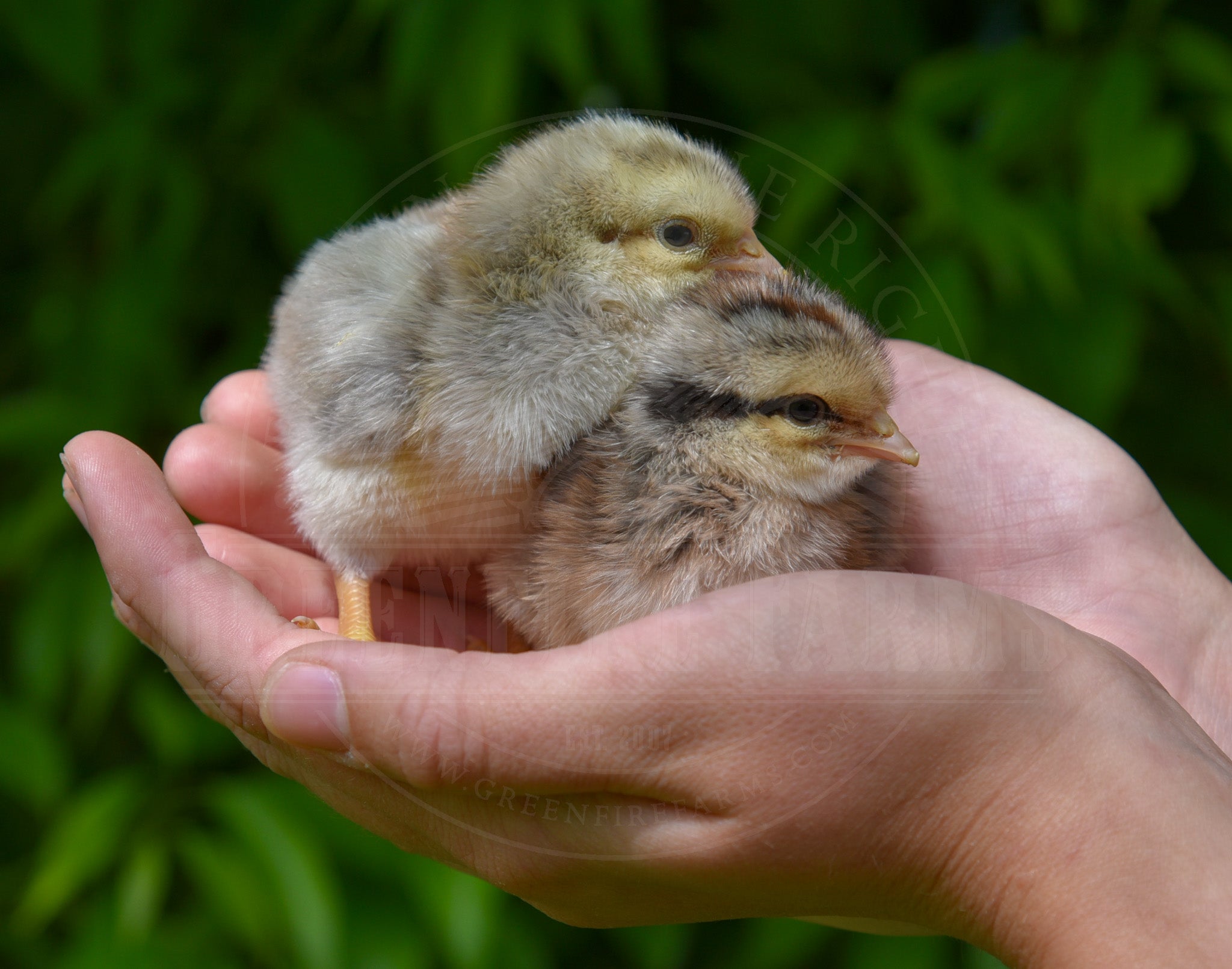
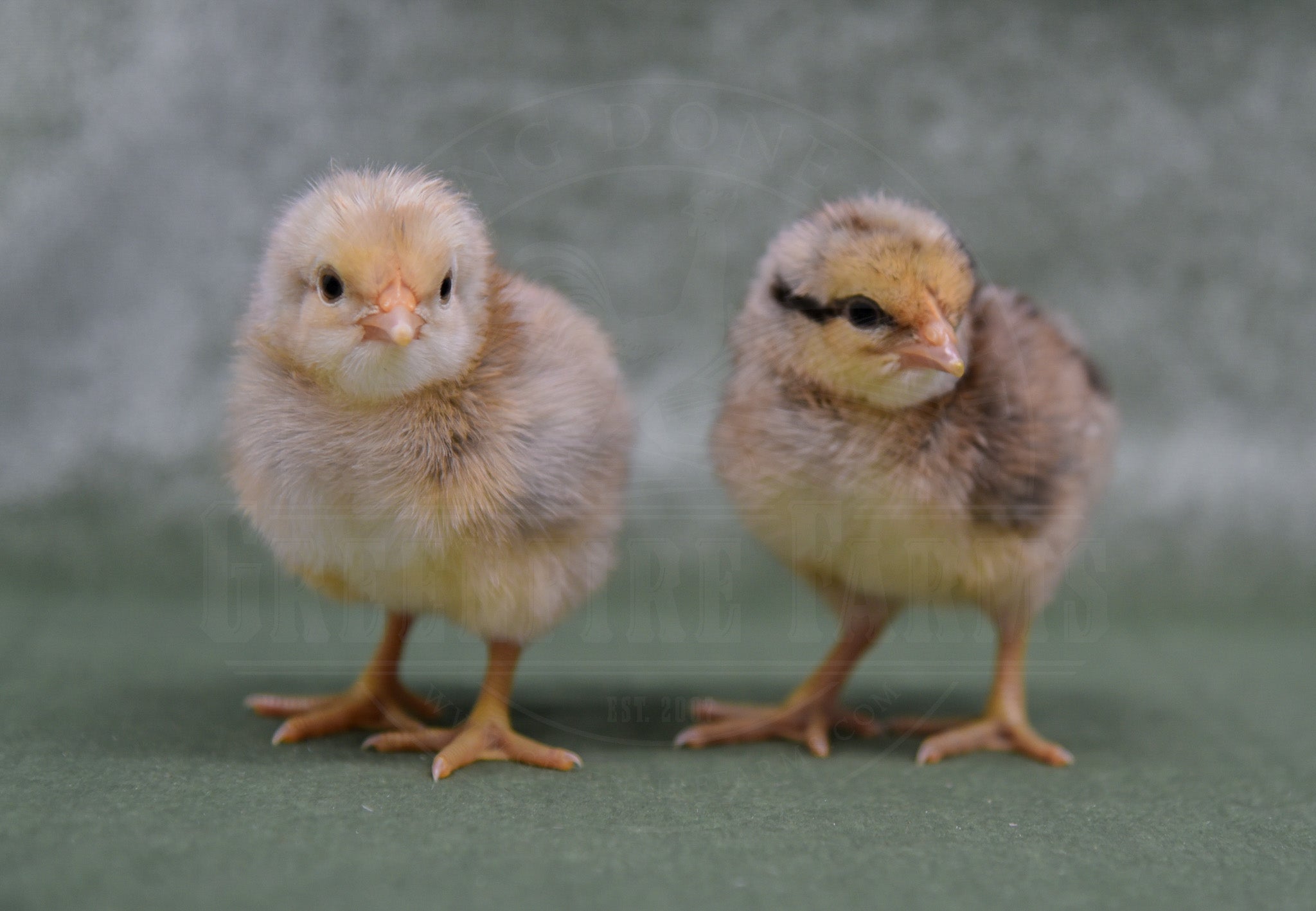
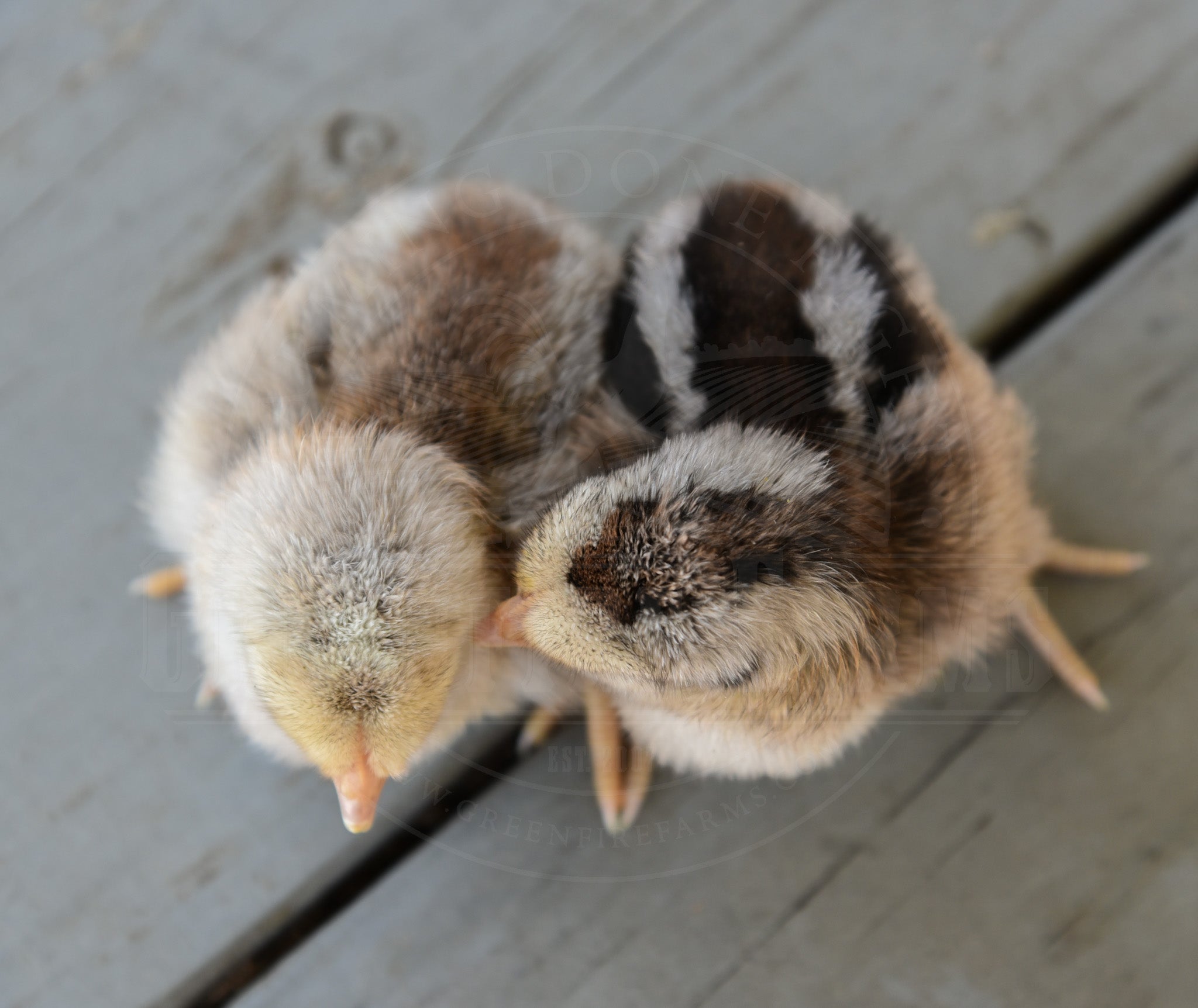
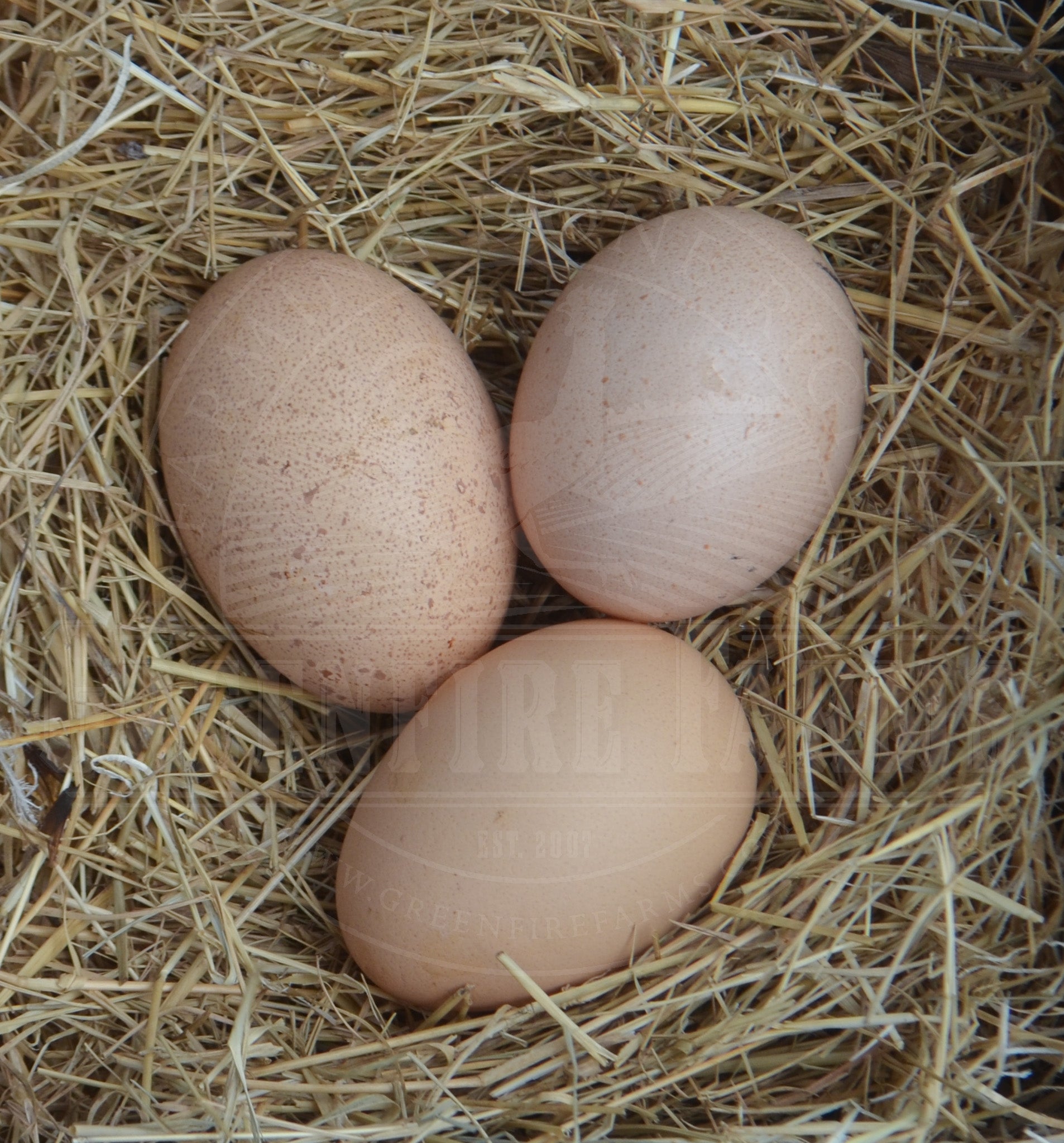
The Bielefelder is a modern German breed developed in the early 1970s by Gerd Roth, who combined several exceptional chickens to create a large, hardy, productive, and autosexing dual-purpose bird. Officially recognized in 1980, the Bielefelder remains prized for its reliability, impressive size, and gentle temperament. Its autosexing ability, made possible through deliberate selection for barred and cuckoo plumage, allows day-old chicks to be sexed by color, adding to the breed’s practicality. At Greenfire Farms, both the classic Crele and elegant Silver varieties are raised, along with a bantam version, all of which feature yellow legs, red earlobes, and a straight comb. Bielefelders lay 200 to 230 large brown eggs annually, grow into substantial table birds, and carry a calm, docile nature that makes them easy keepers. Though they prefer low roosts and may show reduced fertility in winter, they thrive in roomy pastures and benefit from careful rooster-to-hen ratios. Boldly patterned and striking in appearance, the Bielefelder excels in nearly every category.
Breed History
Appearance and Behavior
Breed Standard
Hatching Eggs
Breed defects or issues
Notes
Breed Availability
|
Aug 18, 2026
|
Aug 25, 2026
|
Sep 01, 2026
|
Sep 08, 2026
|
Sep 15, 2026
|
Sep 22, 2026
|
Sep 29, 2026
|
Silver Bielefelder
Breed History
Appearance and Behavior
Breed Standard
Hatching Eggs
Breed defects or issues
Notes
More Details


About
The Bielefelder is a modern German breed developed in the early 1970s by Gerd Roth, who combined several exceptional chickens to create a large, hardy, productive, and autosexing dual-purpose bird. Officially recognized in 1980, the Bielefelder remains prized for its reliability, impressive size, and gentle temperament. Its autosexing ability, made possible through deliberate selection for barred and cuckoo plumage, allows day-old chicks to be sexed by color, adding to the breed’s practicality. At Greenfire Farms, both the classic Crele and elegant Silver varieties are raised, along with a bantam version, all of which feature yellow legs, red earlobes, and a straight comb. Bielefelders lay 200 to 230 large brown eggs annually, grow into substantial table birds, and carry a calm, docile nature that makes them easy keepers. Though they prefer low roosts and may show reduced fertility in winter, they thrive in roomy pastures and benefit from careful rooster-to-hen ratios. Boldly patterned and striking in appearance, the Bielefelder excels in nearly every category.
Breed History
Appearance and Behavior
Breed Standard
Hatching Eggs
Breed defects or issues
Notes
Breed Availability
|
Aug 18, 2026
|
Aug 25, 2026
|
Sep 01, 2026
|
Sep 08, 2026
|
Sep 15, 2026
|
Sep 22, 2026
|
Sep 29, 2026
|
You may also like