




About
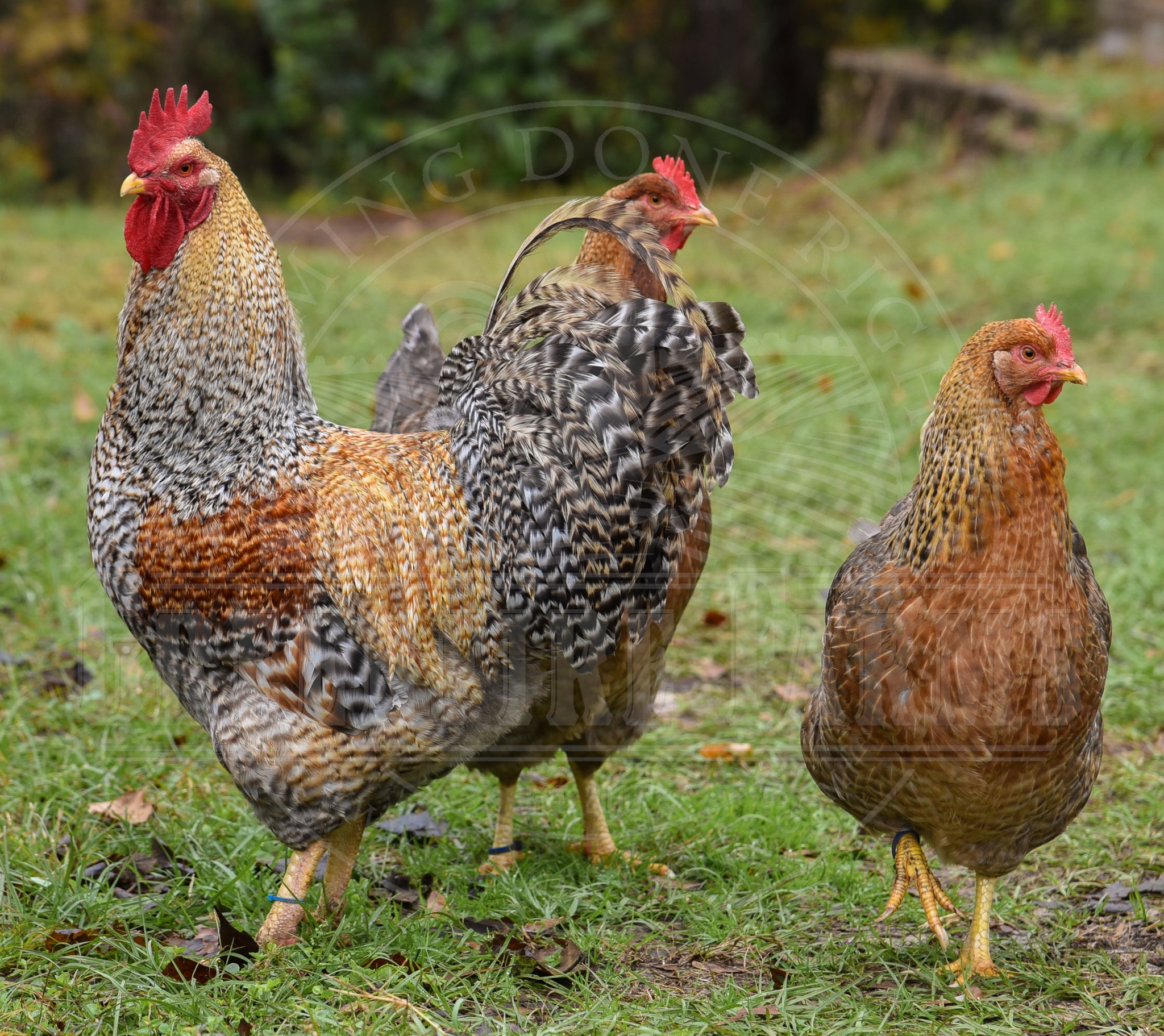
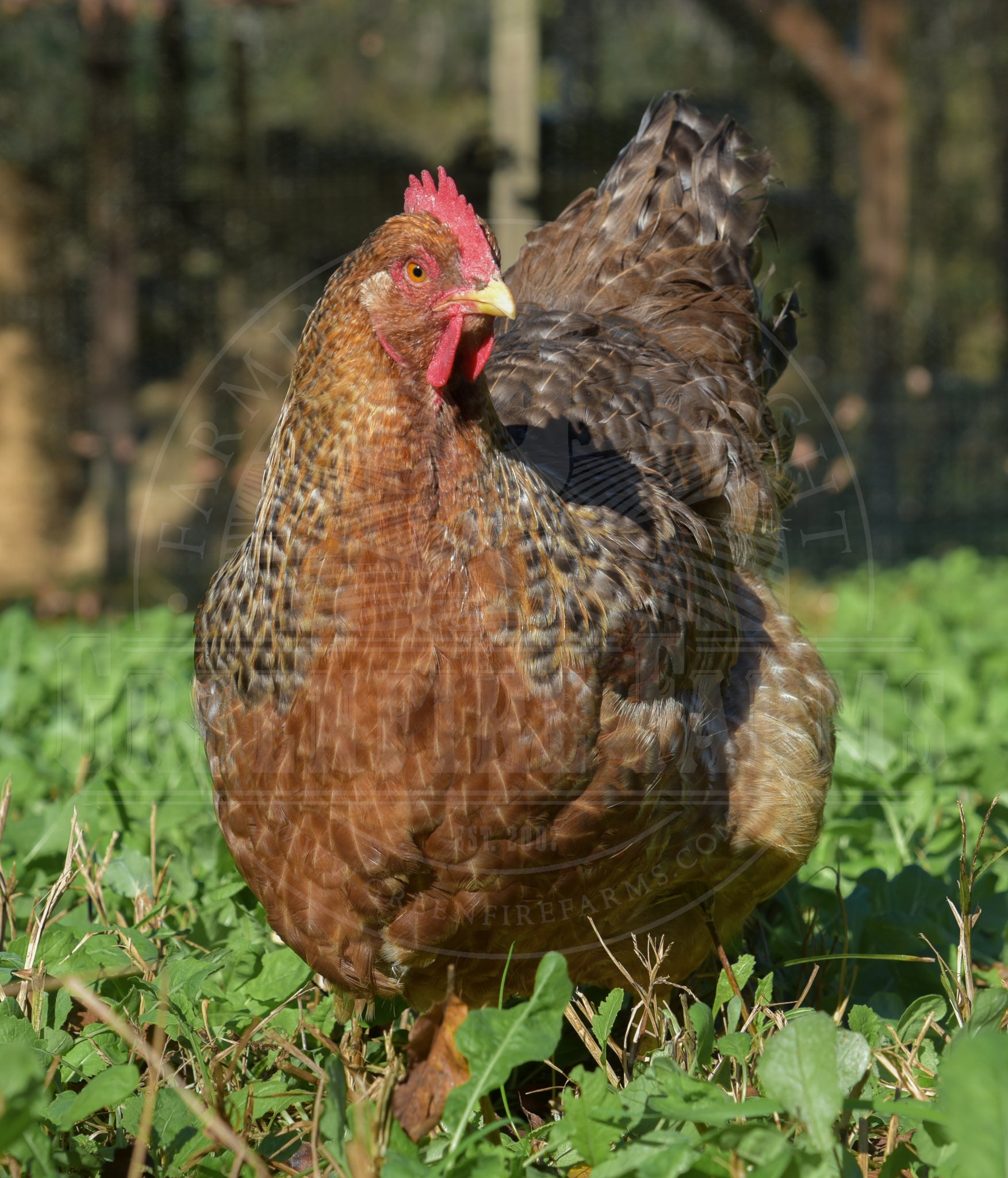
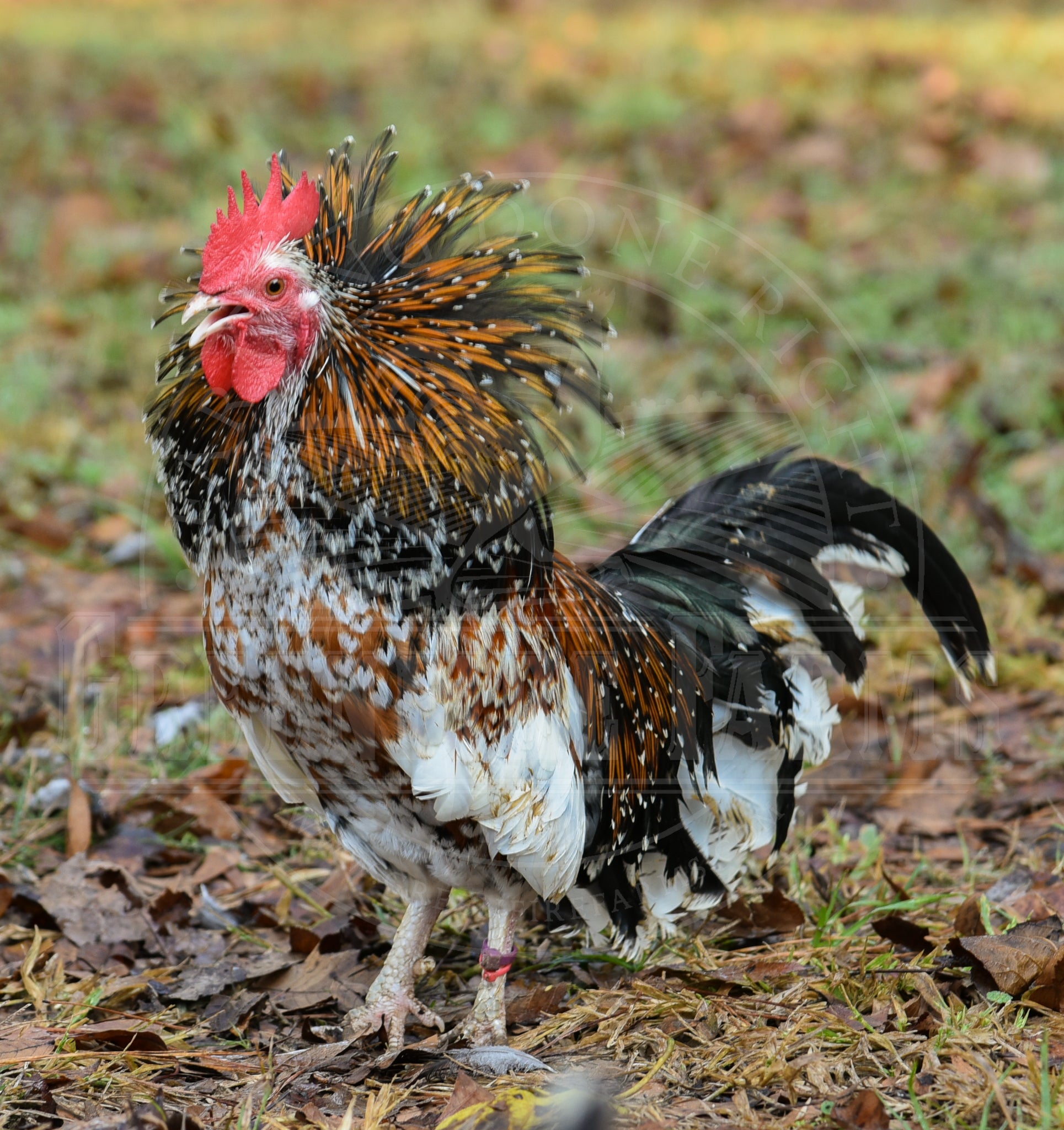
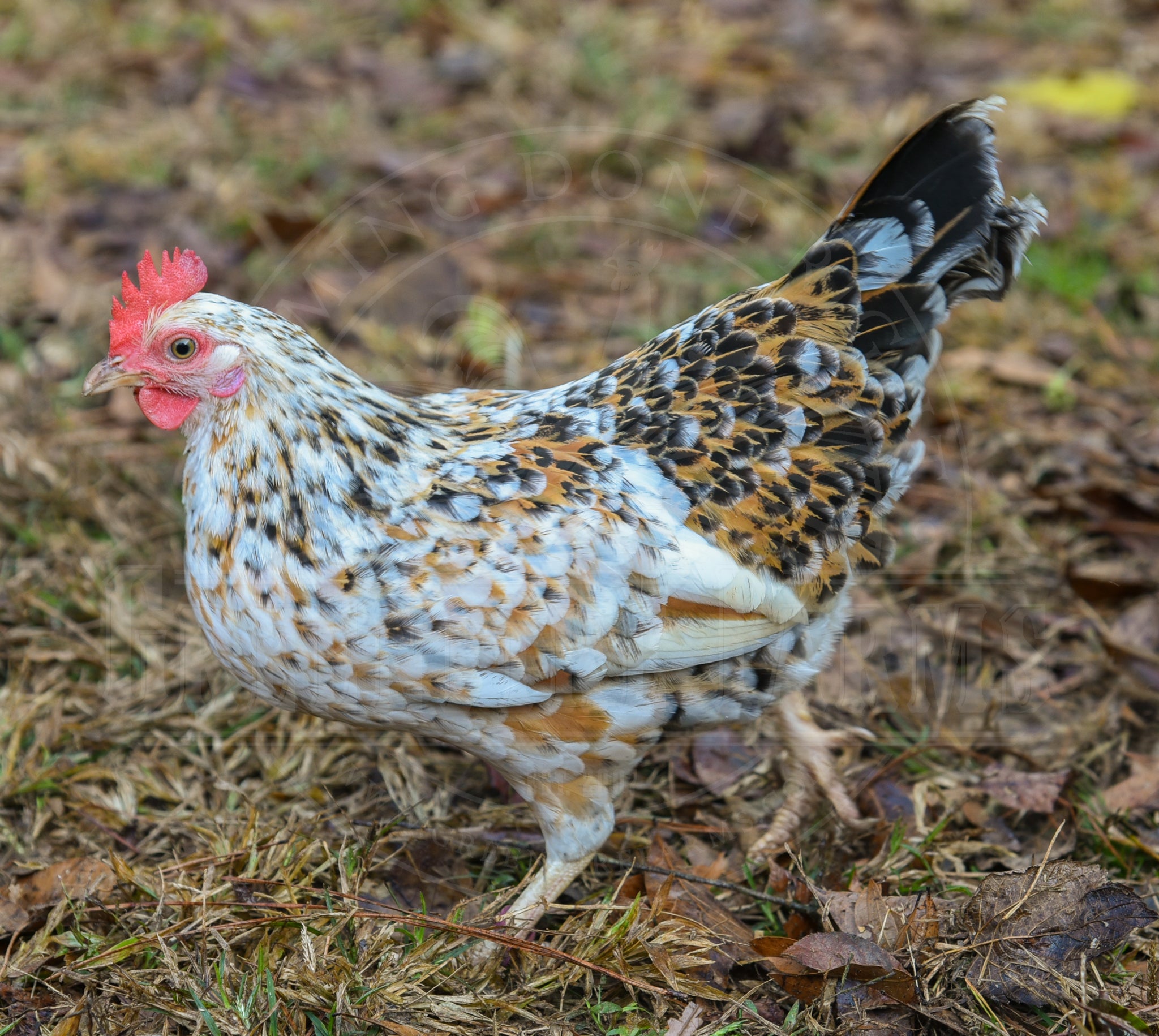
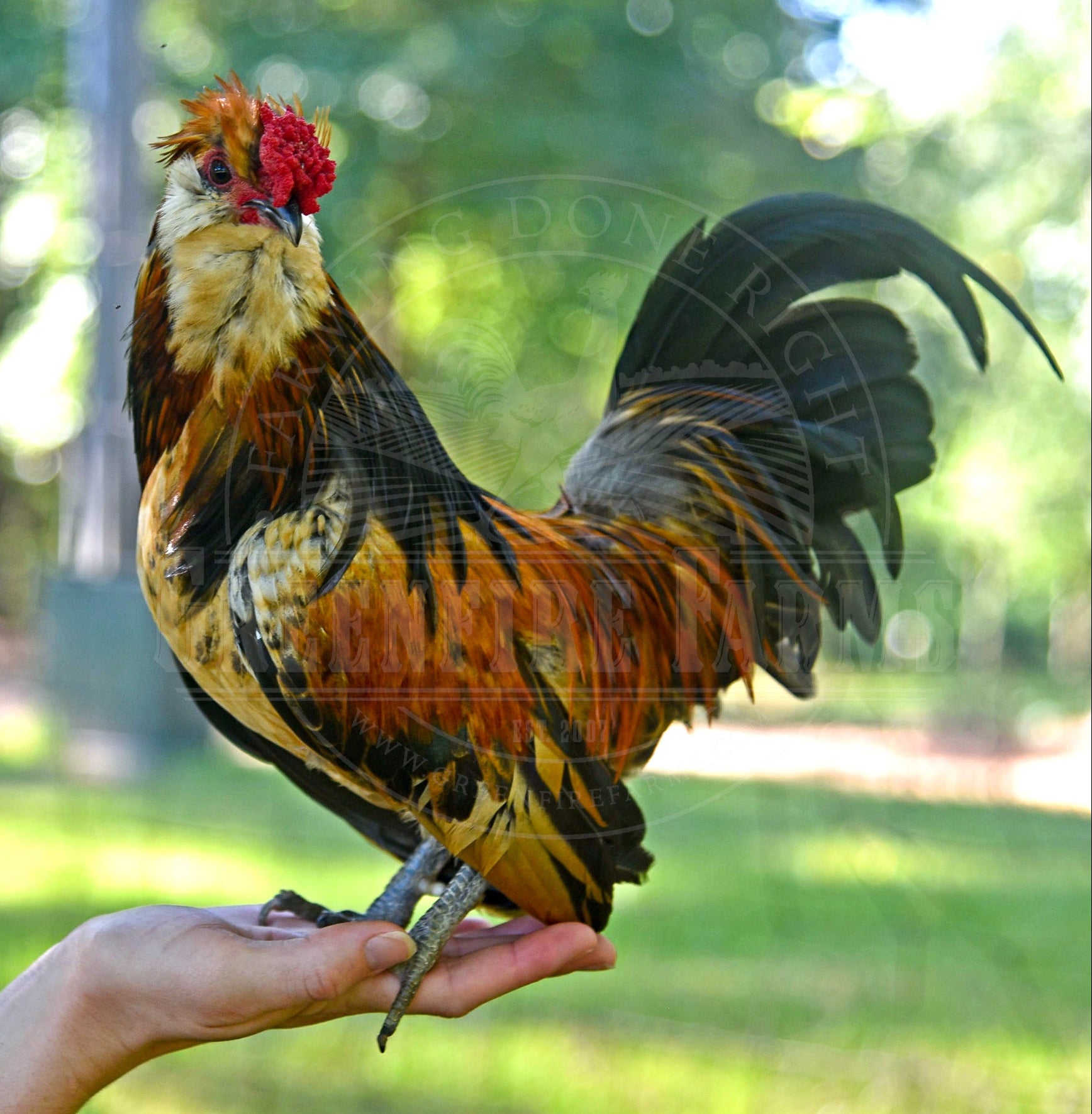
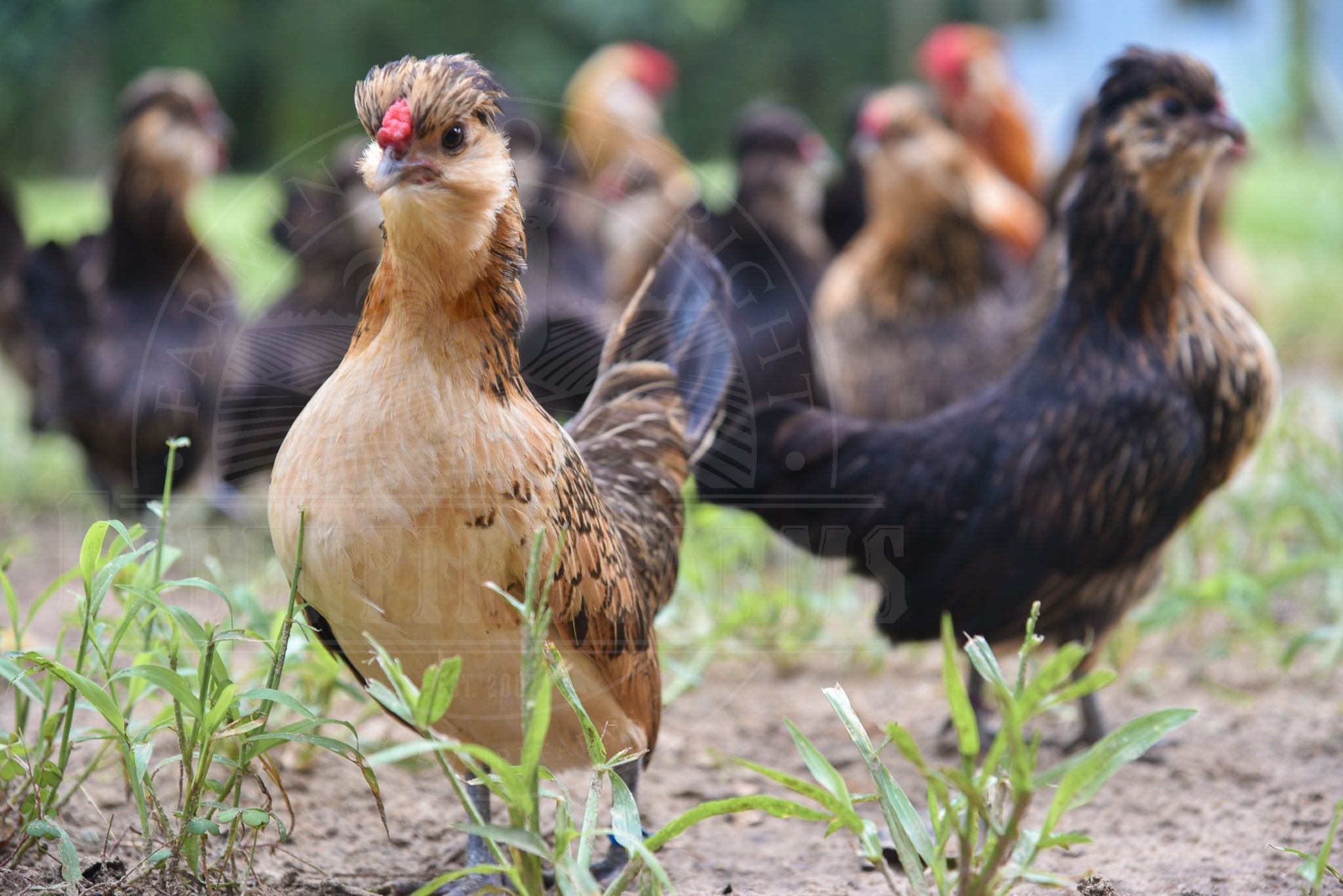
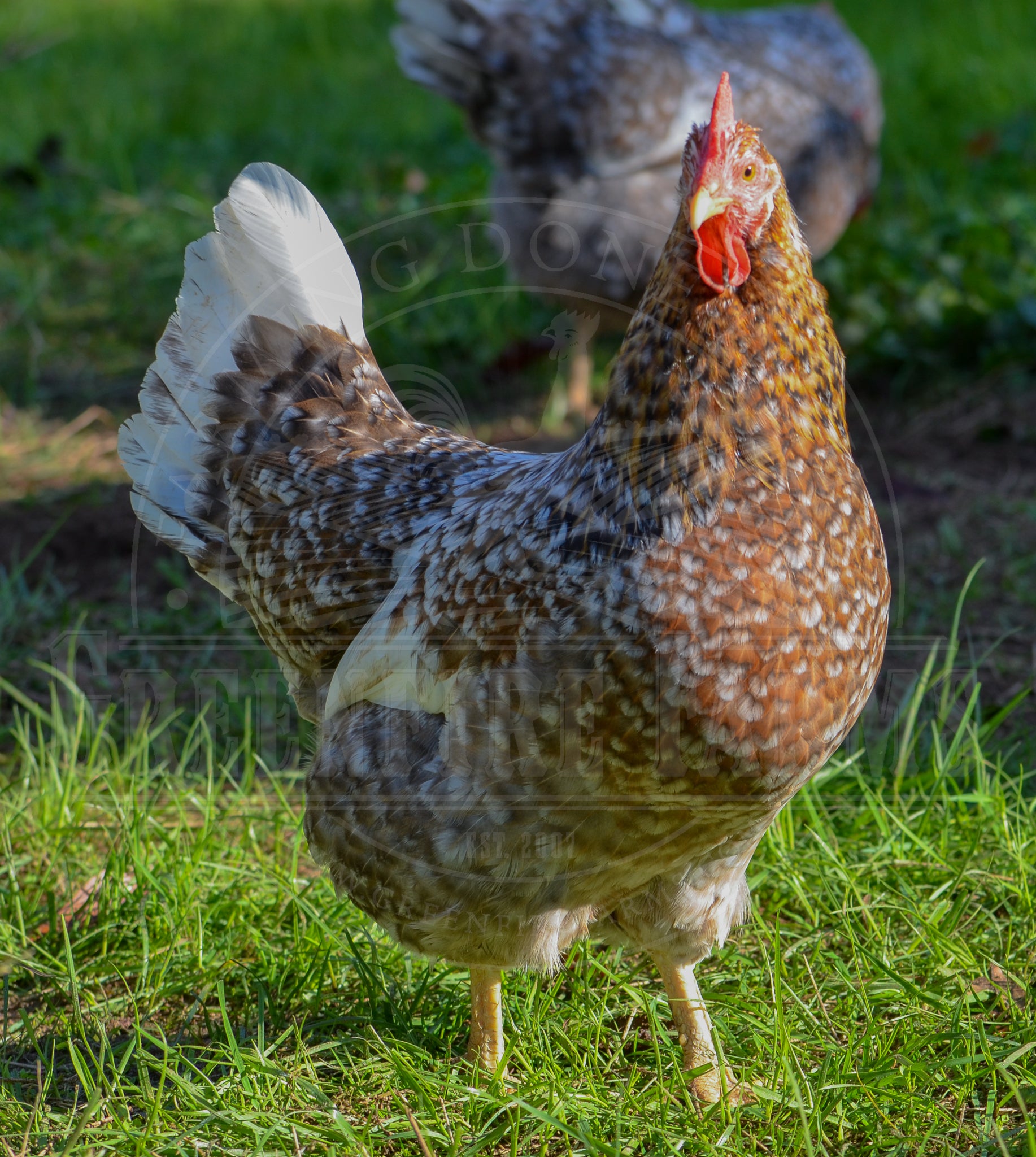
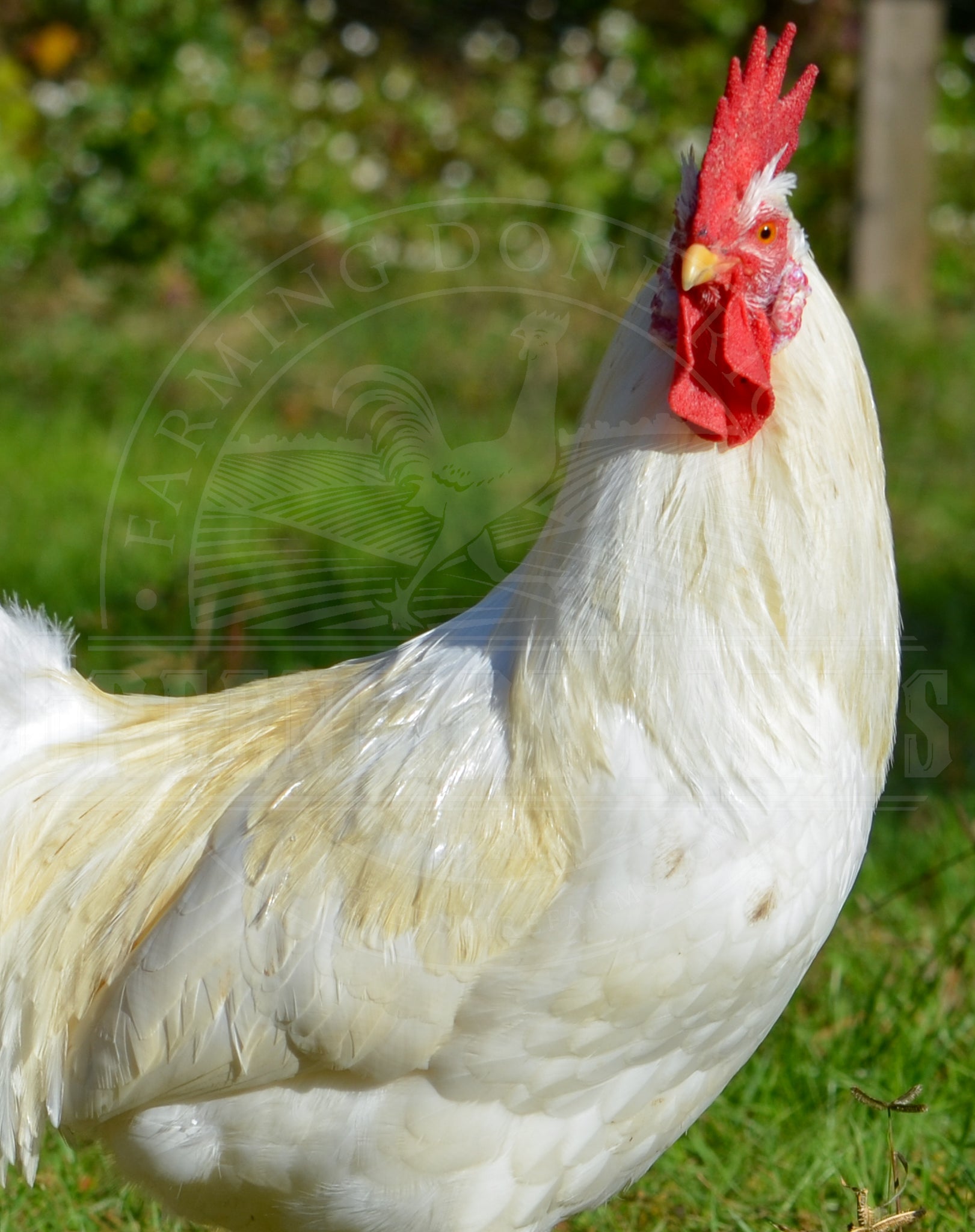
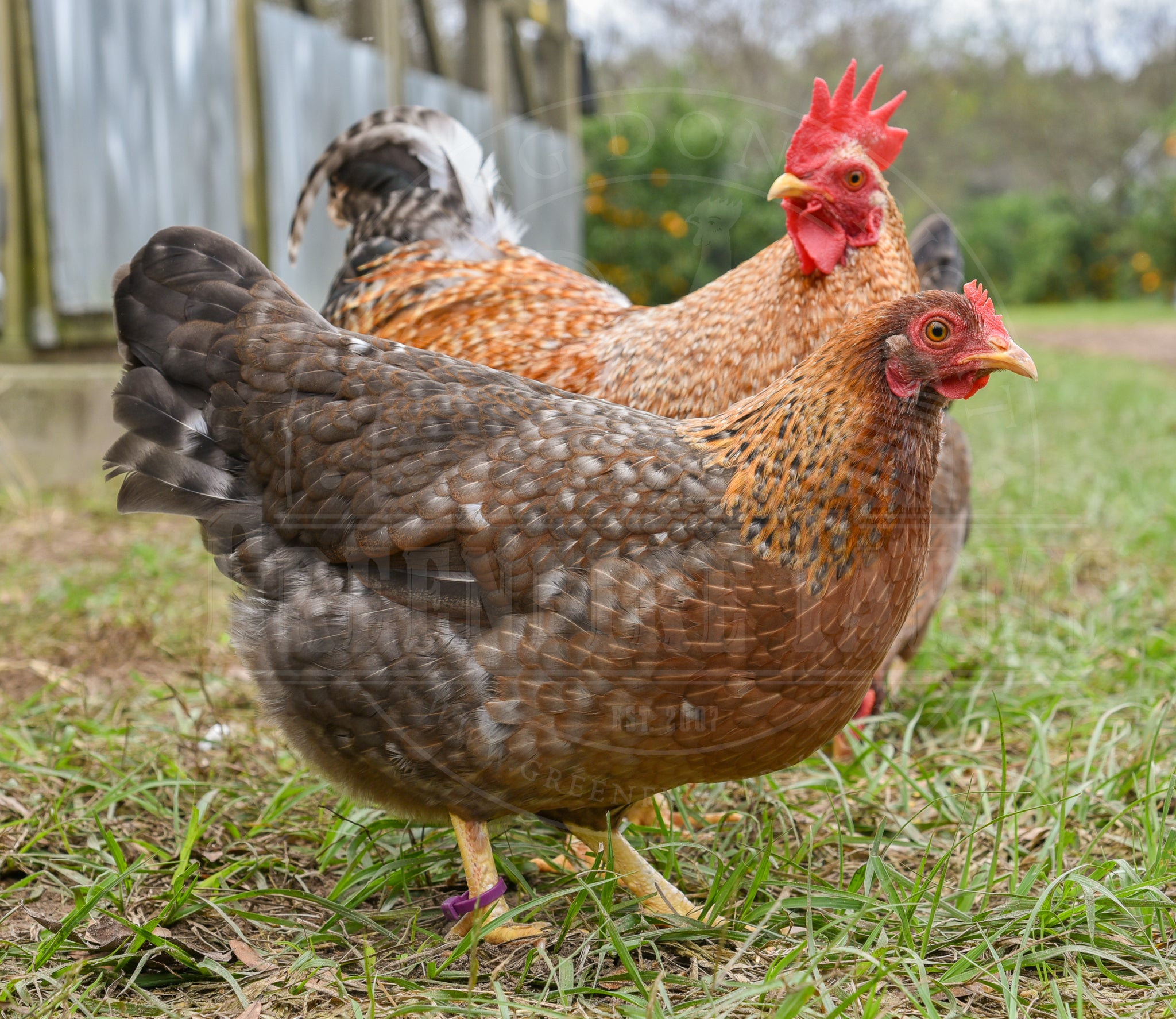
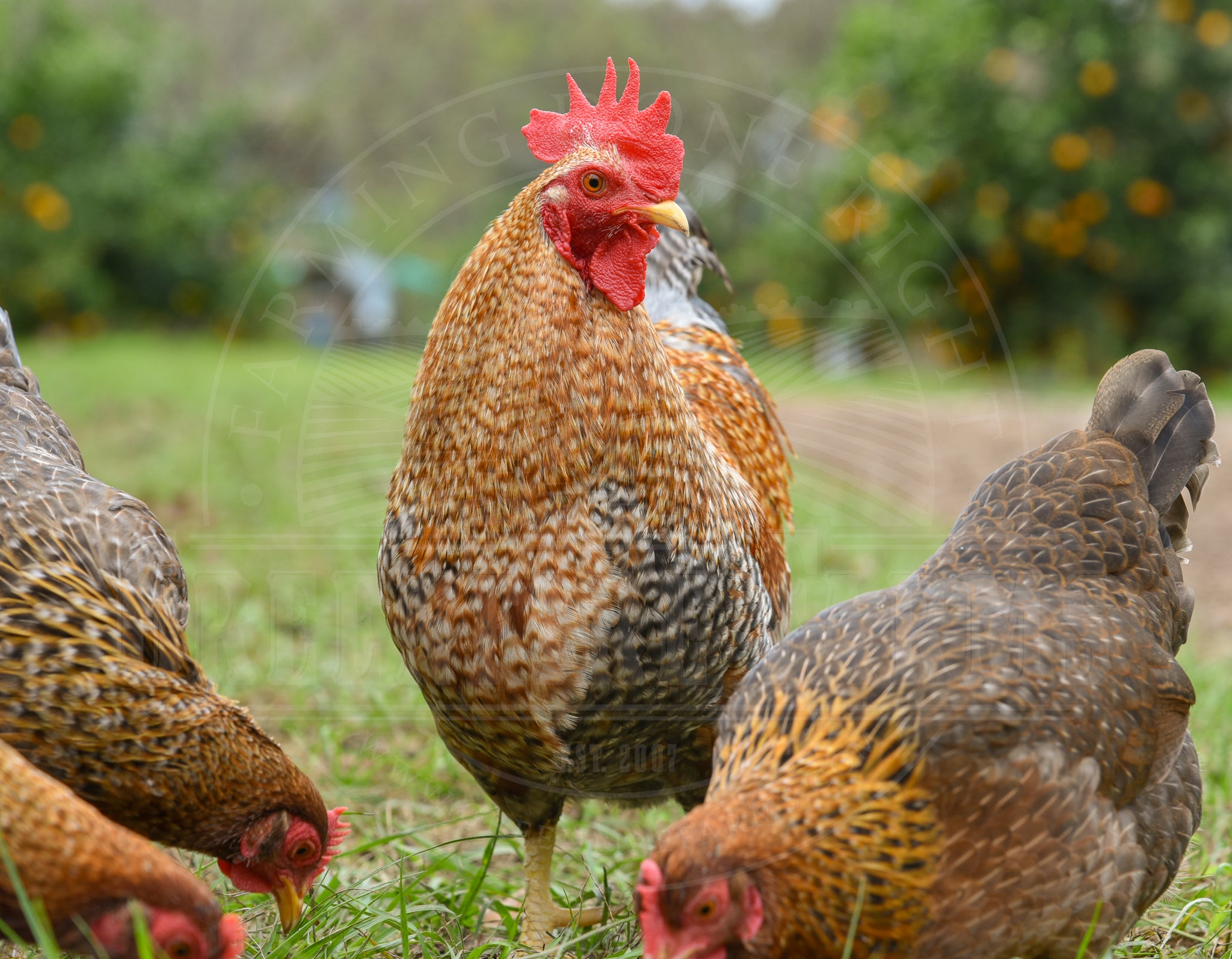
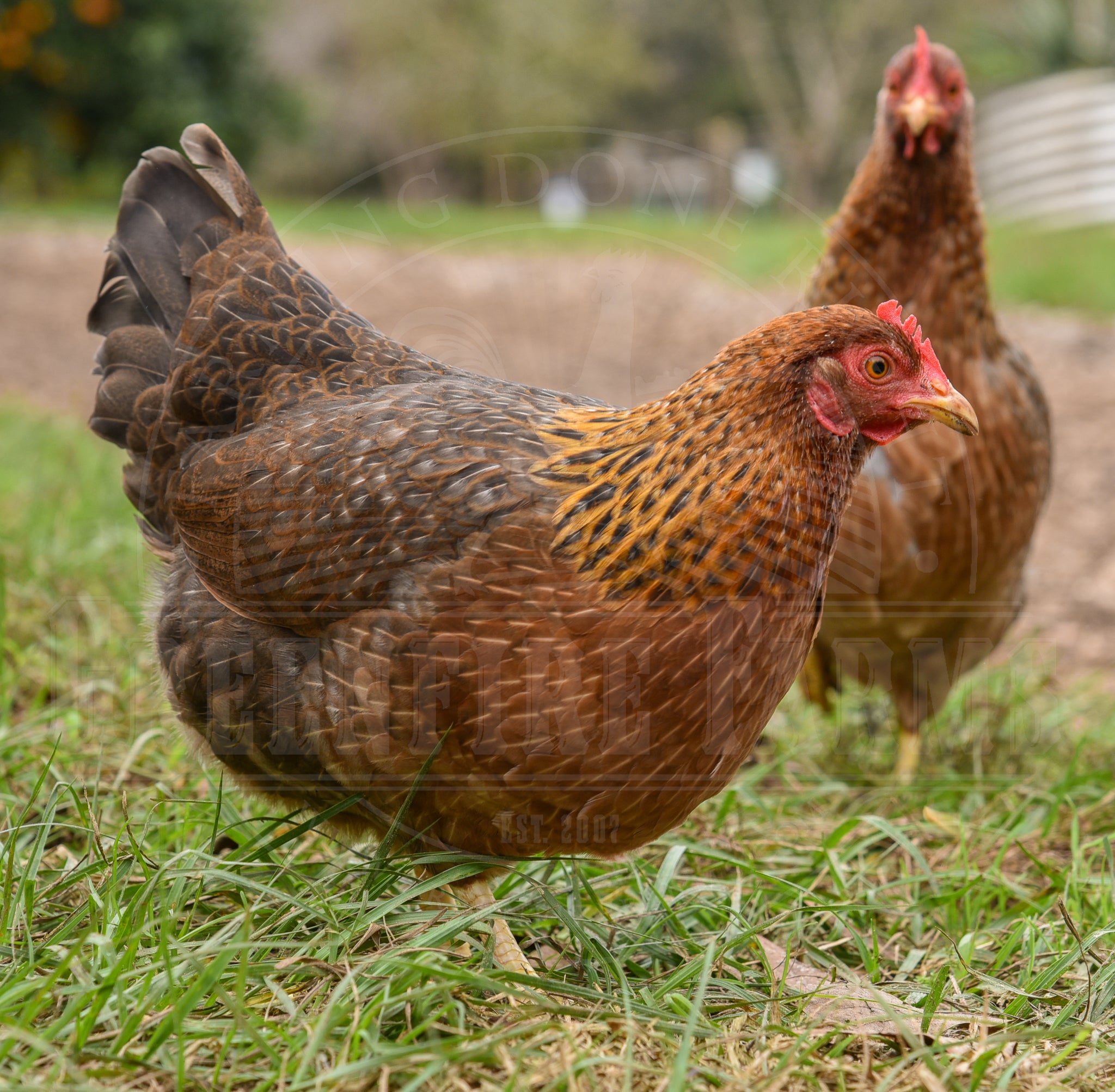
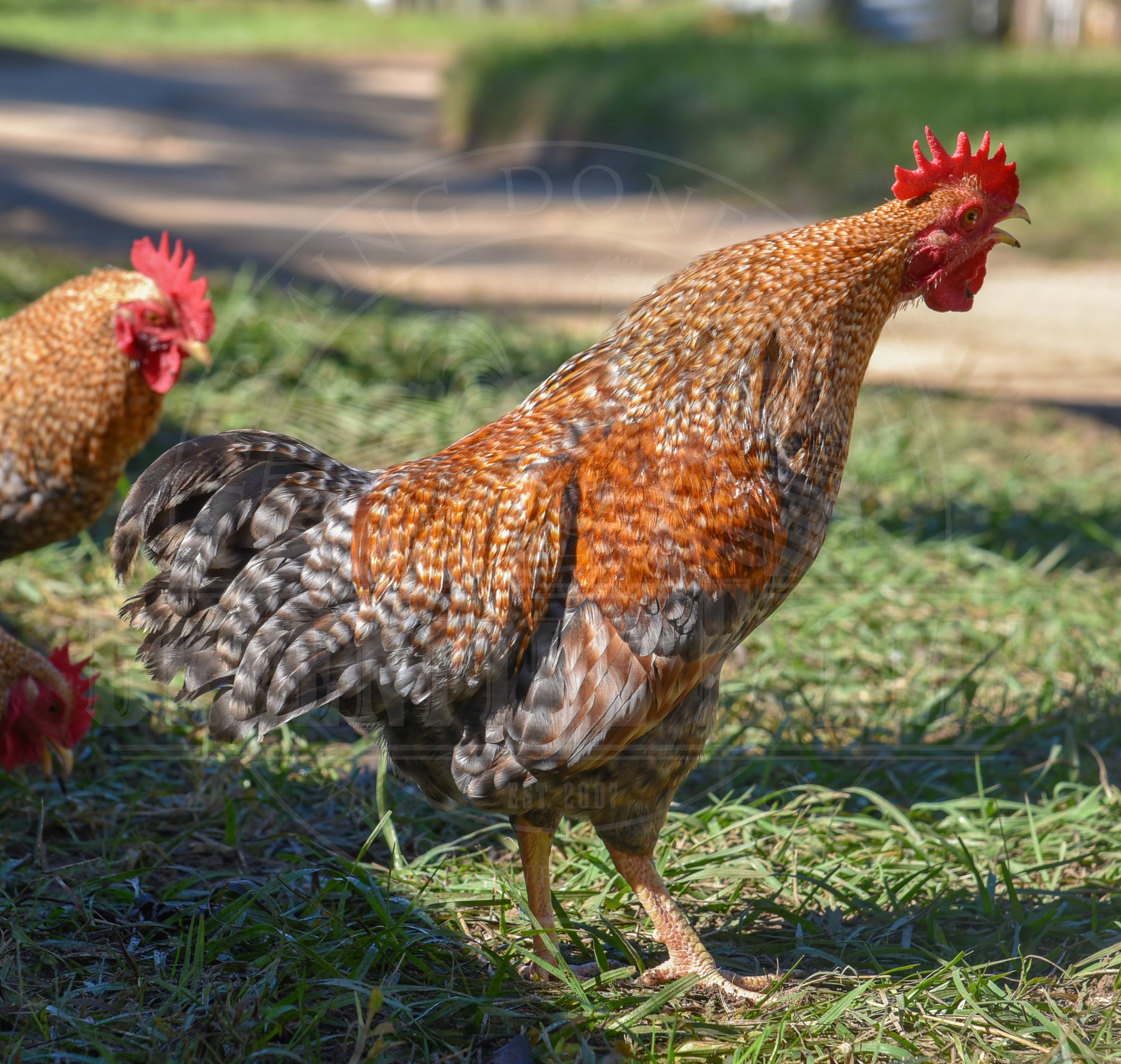
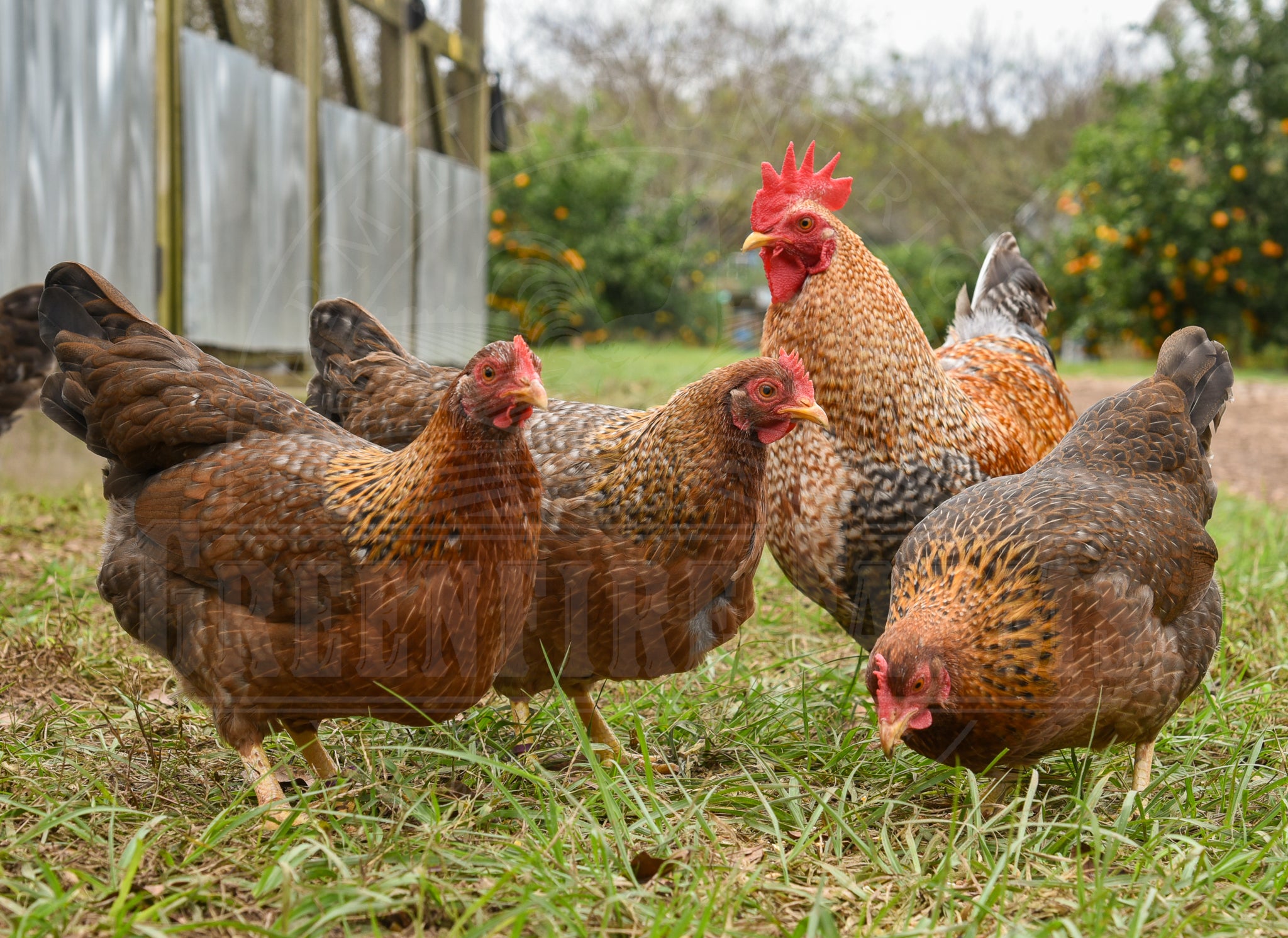
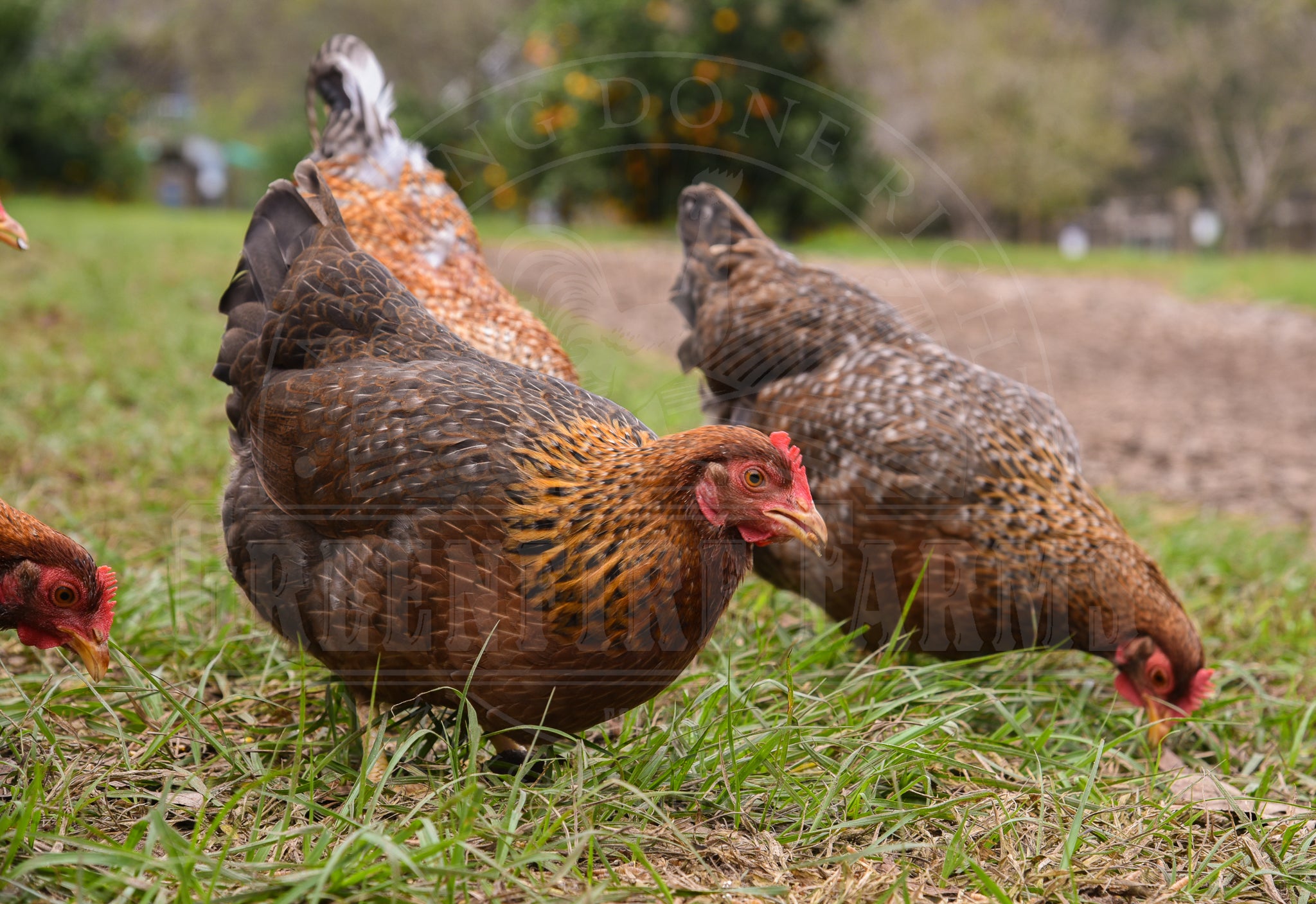
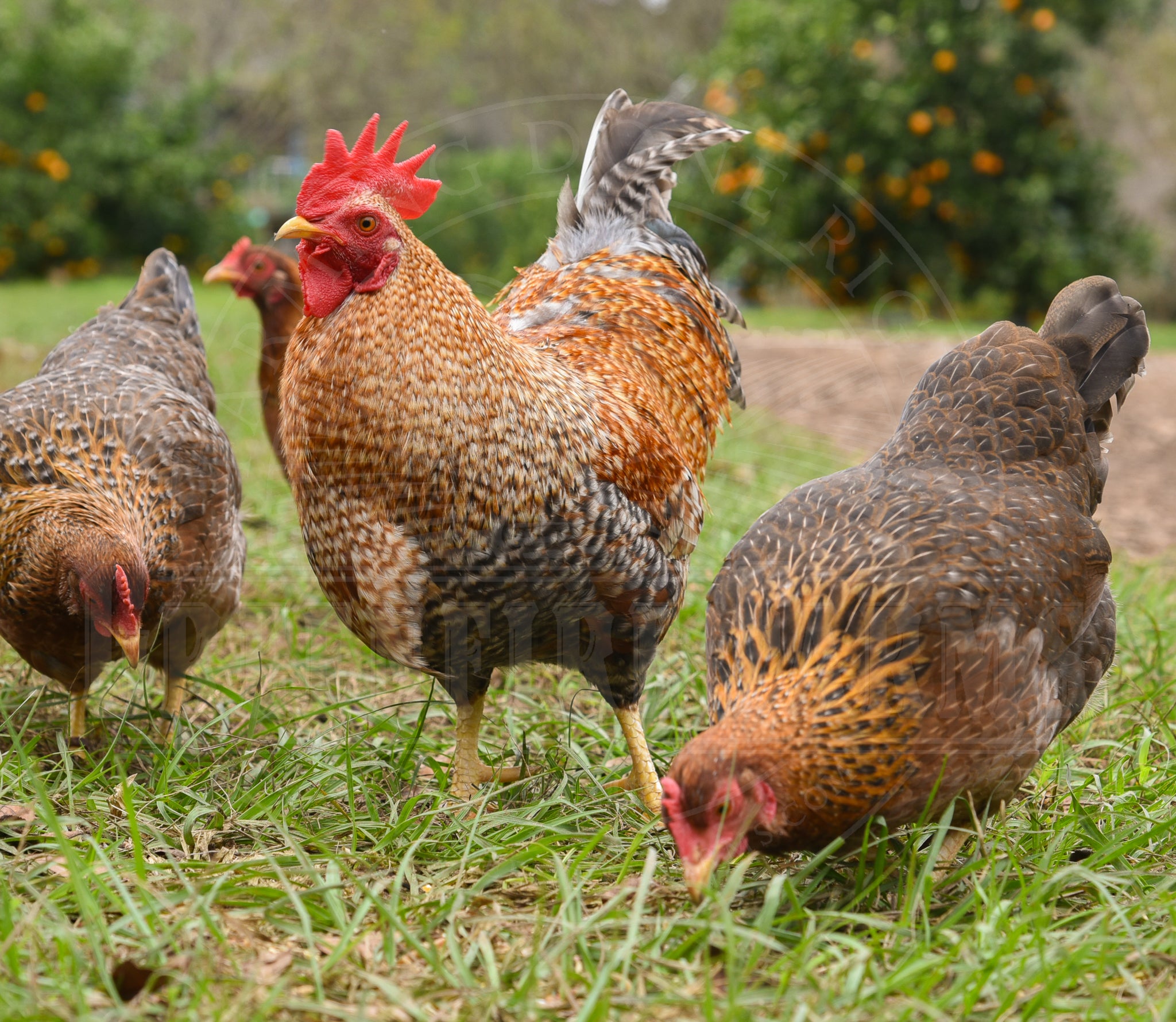
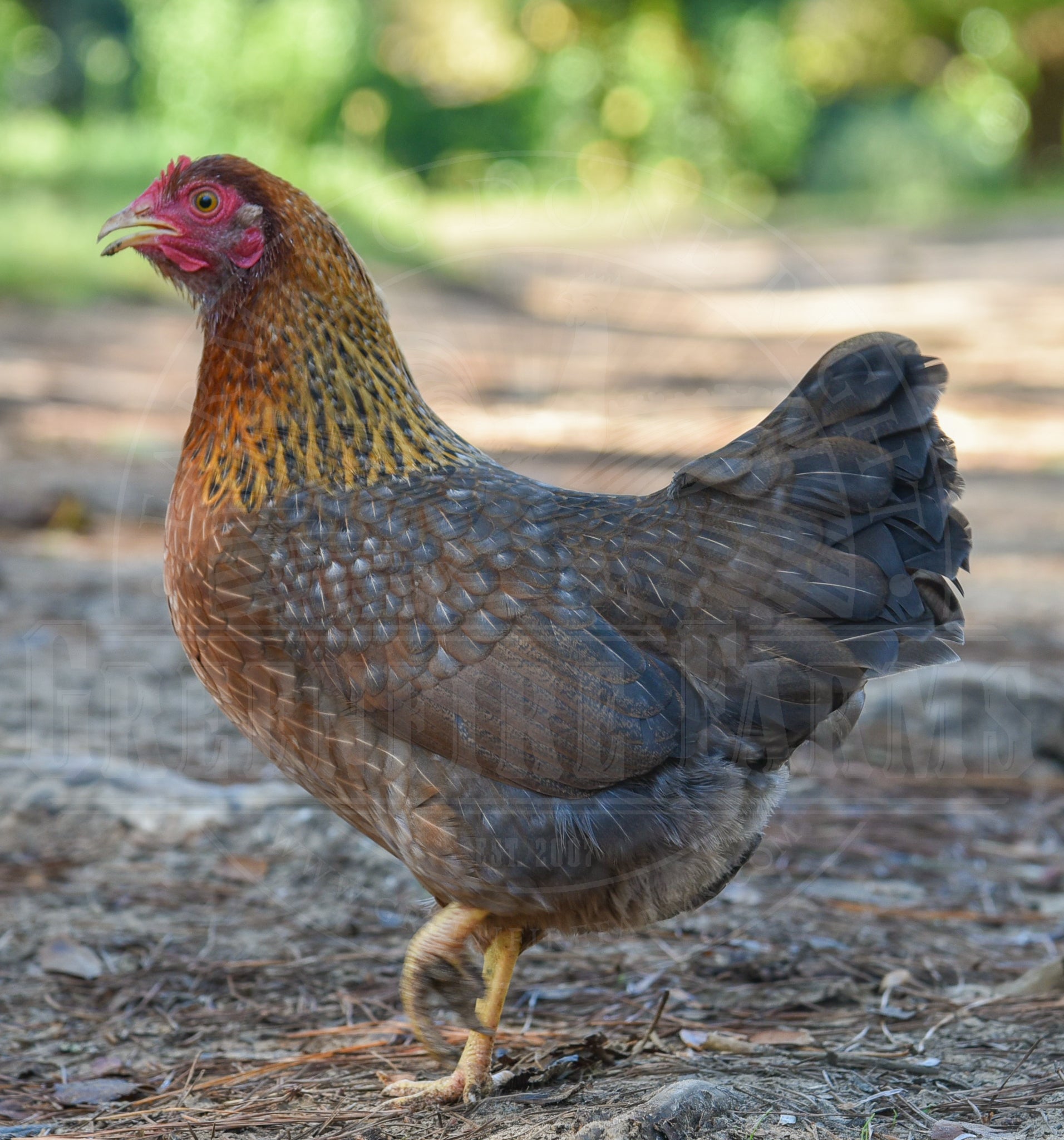
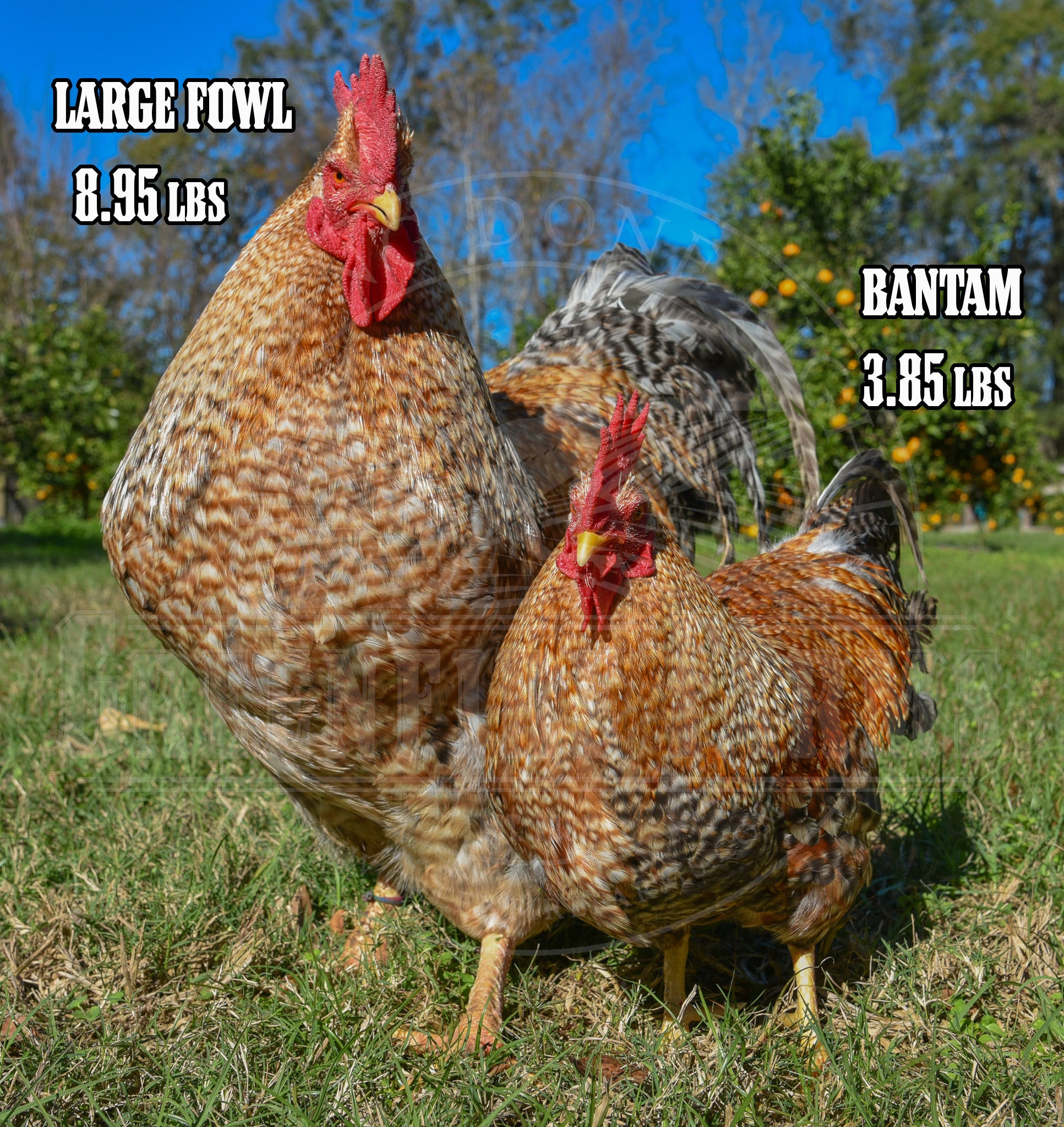
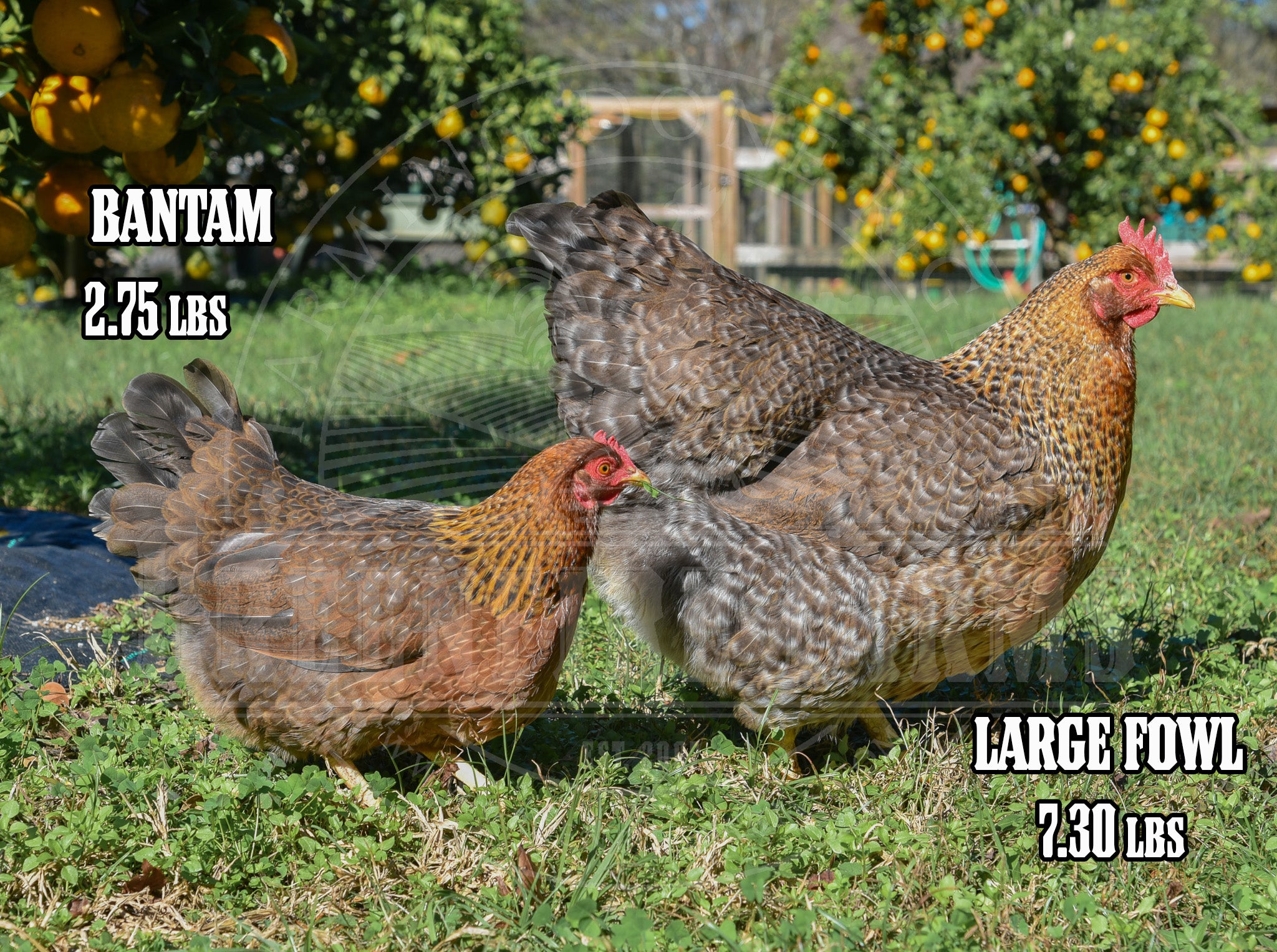
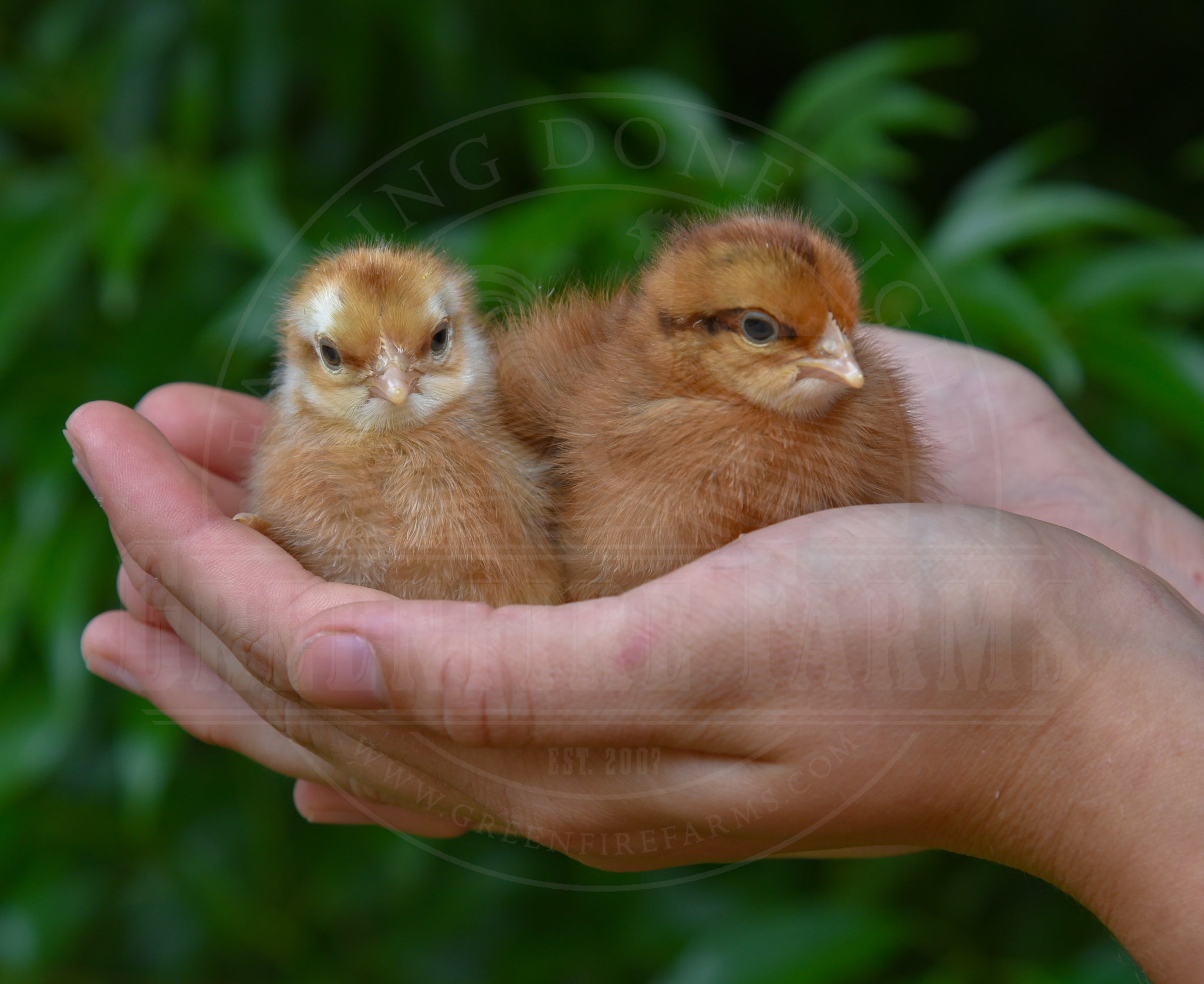
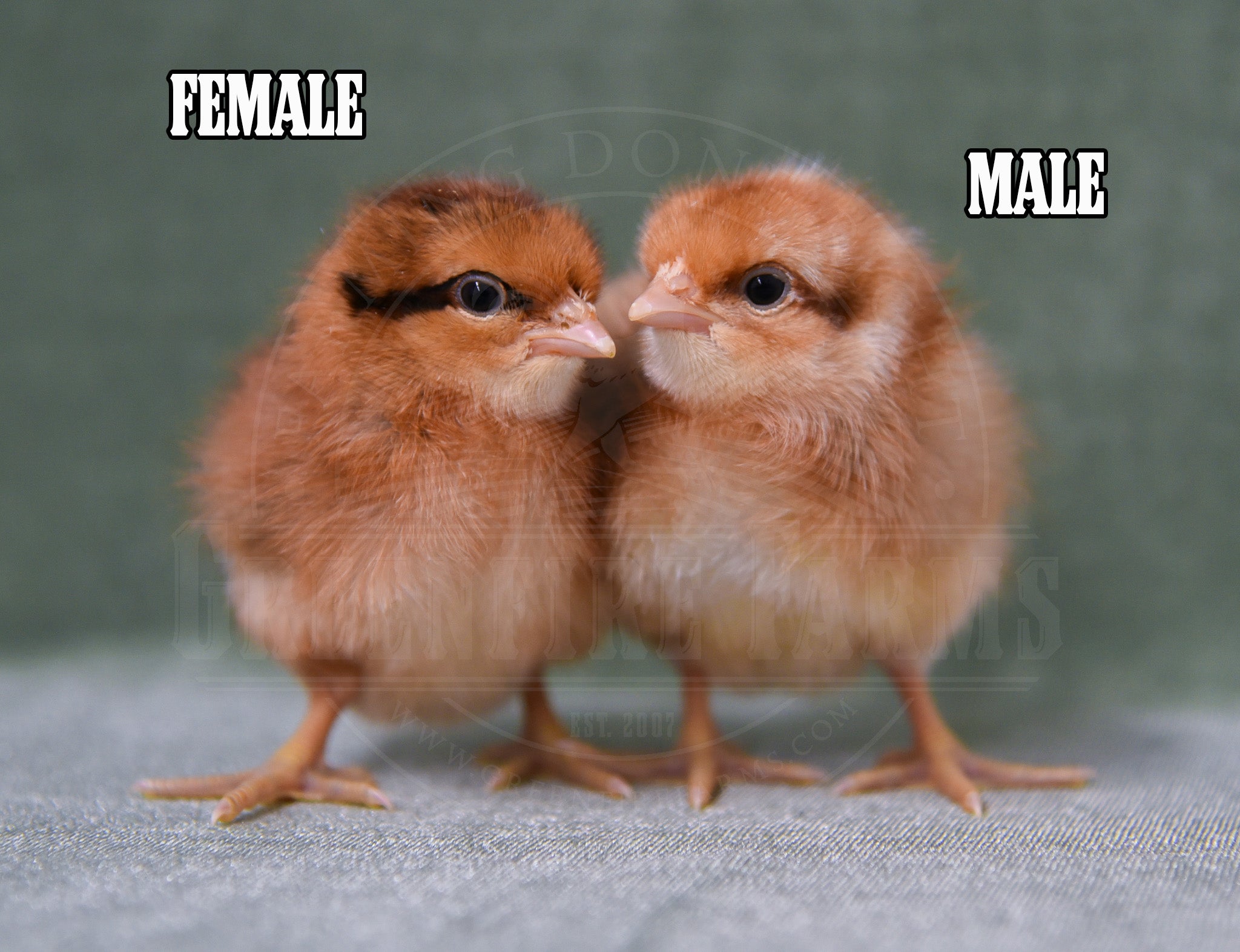
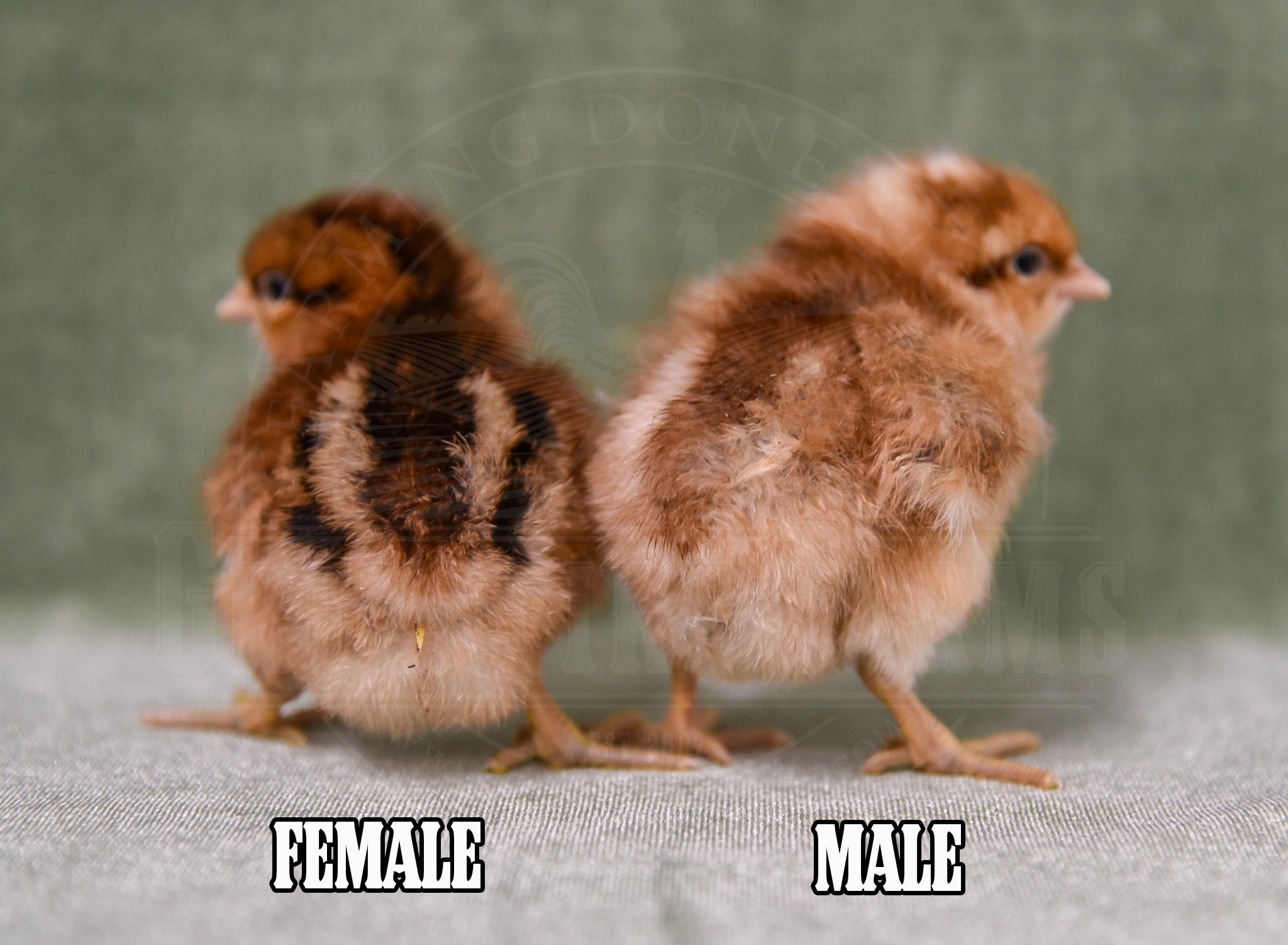
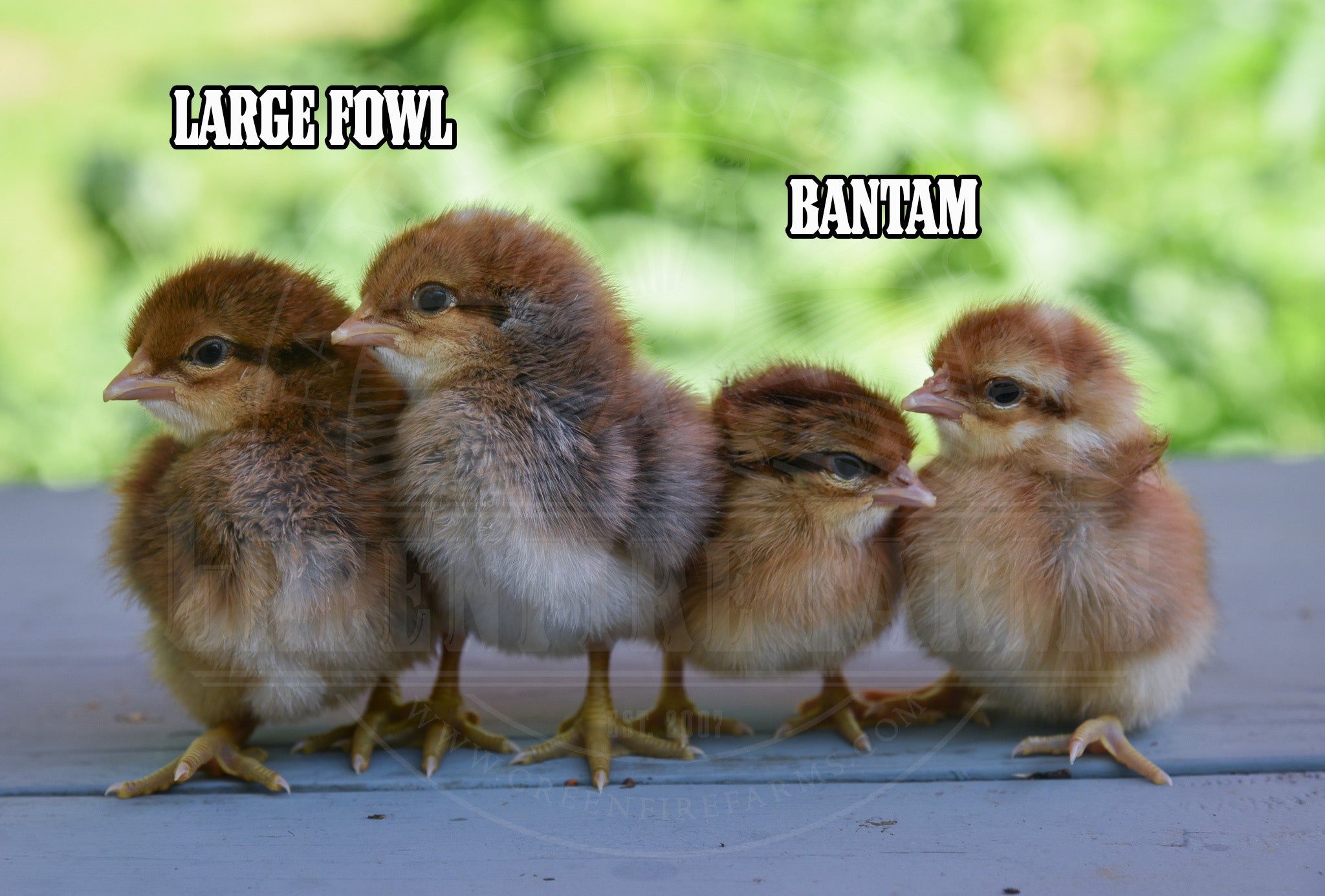
The Bantam Bielefelder, developed by German breeder Gerd Roth and officially recognized in 1985, is a charming miniature version of the large fowl Bielefelder created by combining New Hampshire, Amrock, and Welsumer bantams. While the full-sized “Uber Chicken” became popular in America for its size and productivity, its bantam counterpart offers the same appeal in a far more manageable package—perfect for smaller spaces. These bantams are the first in the U.S. to produce reliably auto-sexed chicks, with males hatching in pale down and females in darker, chipmunk-striped patterns. Calm, active foragers, they typically weigh 2–4 pounds, lay impressive medium-sized eggs, roughly 160 to 180 per year, and show a moderate tendency toward broodiness. Similar in appearance to the large fowl—clean-legged, straight-combed, and red-eared—they carry a low, sturdy stance, though a formal breed standard has yet to be established.
Breed History
Appearance and Behavior
Breed Standard
Hatching Eggs
Breed defects or issues
Notes
Breed Availability
Bantam Bielefelder
Breed History
Appearance and Behavior
Breed Standard
Hatching Eggs
Breed defects or issues
Notes
More Details


About
The Bantam Bielefelder, developed by German breeder Gerd Roth and officially recognized in 1985, is a charming miniature version of the large fowl Bielefelder created by combining New Hampshire, Amrock, and Welsumer bantams. While the full-sized “Uber Chicken” became popular in America for its size and productivity, its bantam counterpart offers the same appeal in a far more manageable package—perfect for smaller spaces. These bantams are the first in the U.S. to produce reliably auto-sexed chicks, with males hatching in pale down and females in darker, chipmunk-striped patterns. Calm, active foragers, they typically weigh 2–4 pounds, lay impressive medium-sized eggs, roughly 160 to 180 per year, and show a moderate tendency toward broodiness. Similar in appearance to the large fowl—clean-legged, straight-combed, and red-eared—they carry a low, sturdy stance, though a formal breed standard has yet to be established.
Breed History
Appearance and Behavior
Breed Standard
Hatching Eggs
Breed defects or issues
Notes
Breed Availability
You may also like