


About
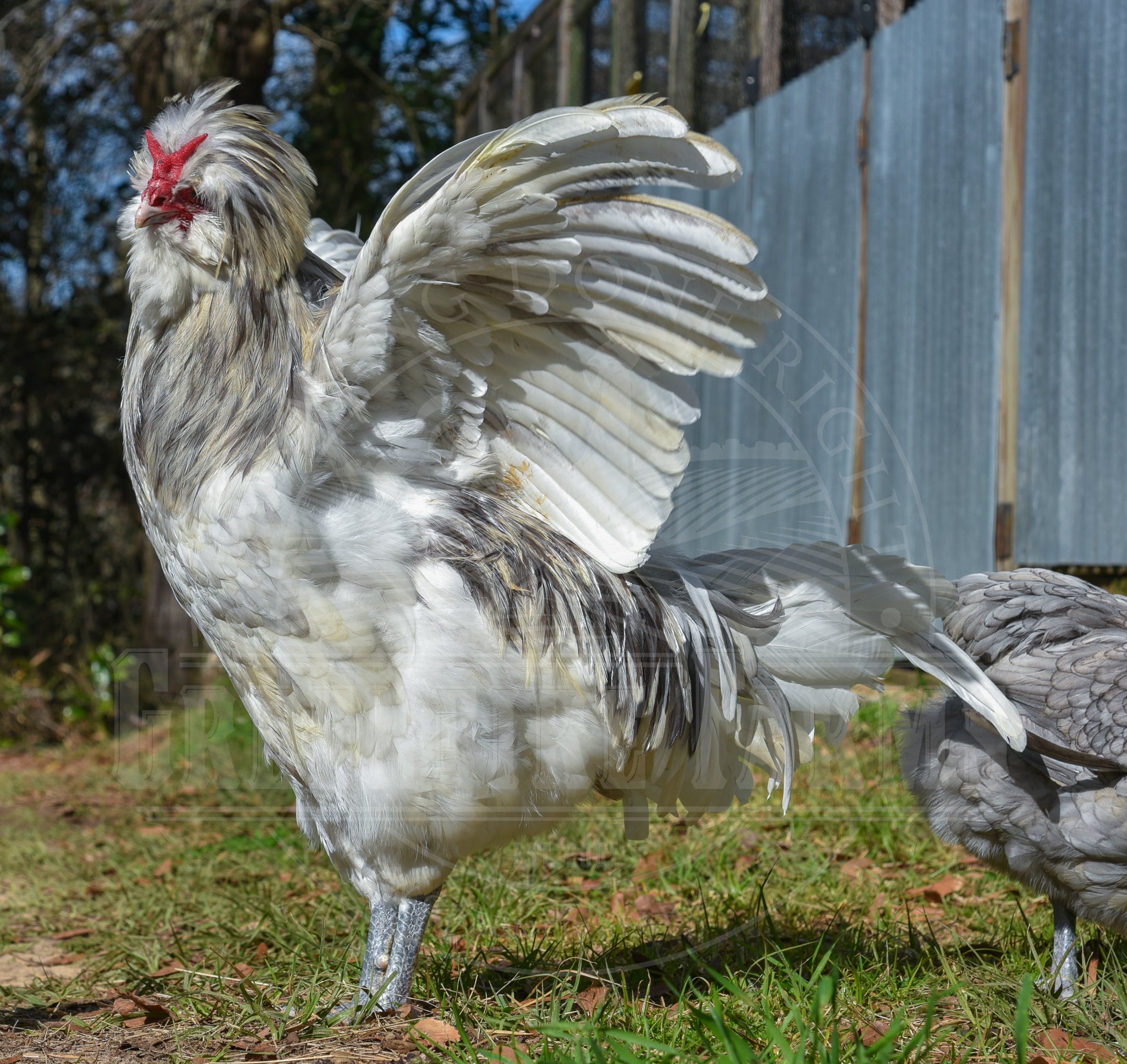
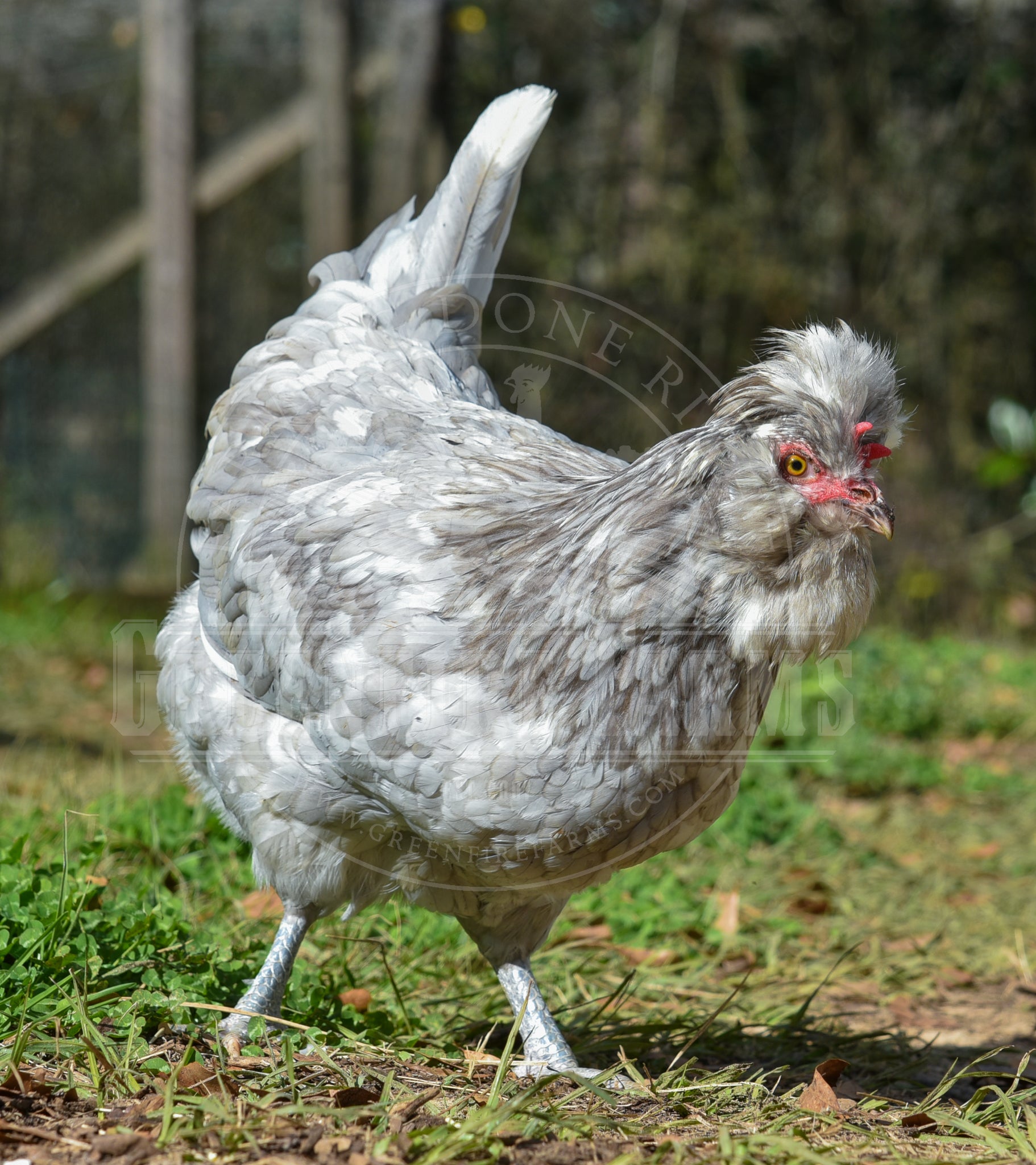
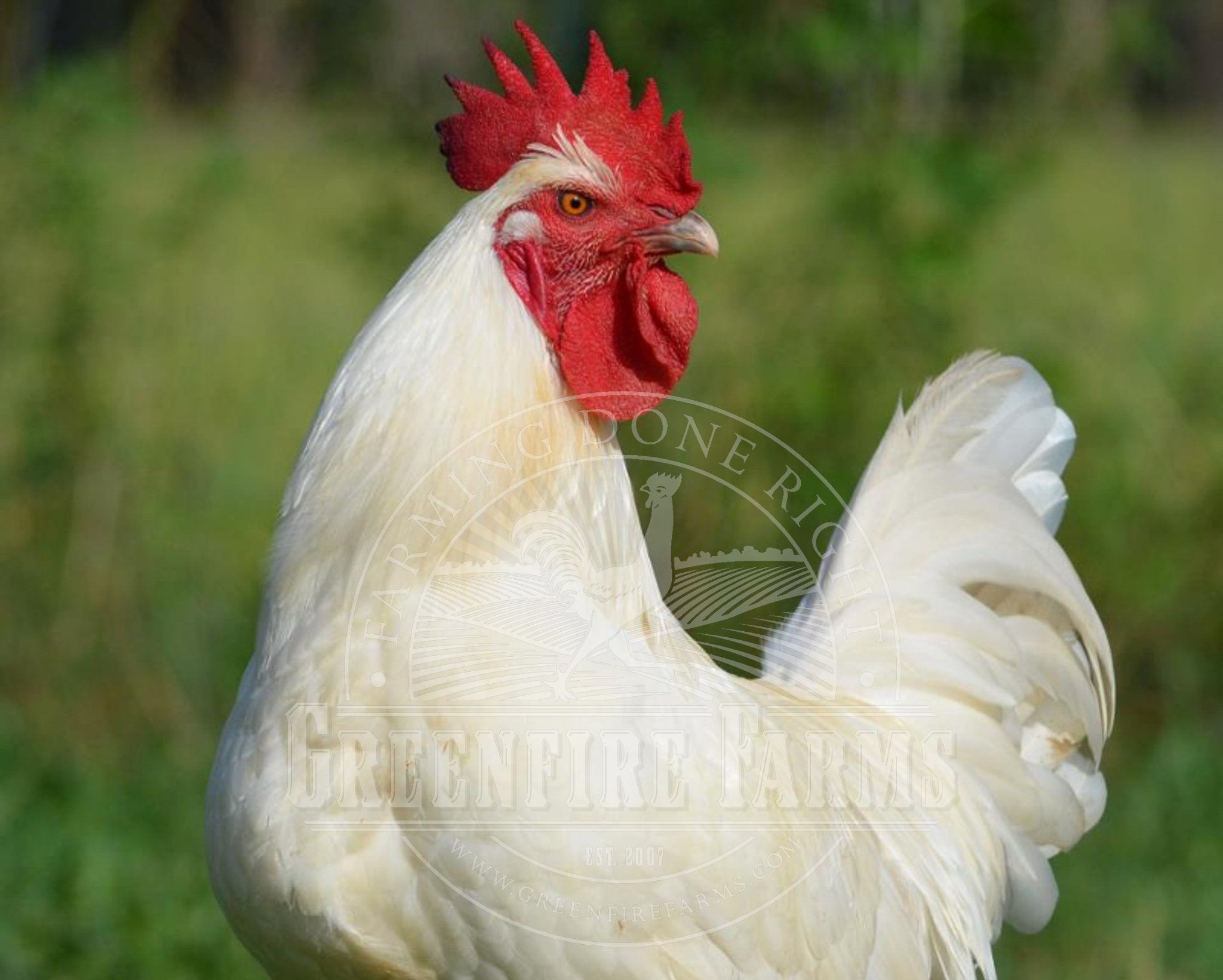
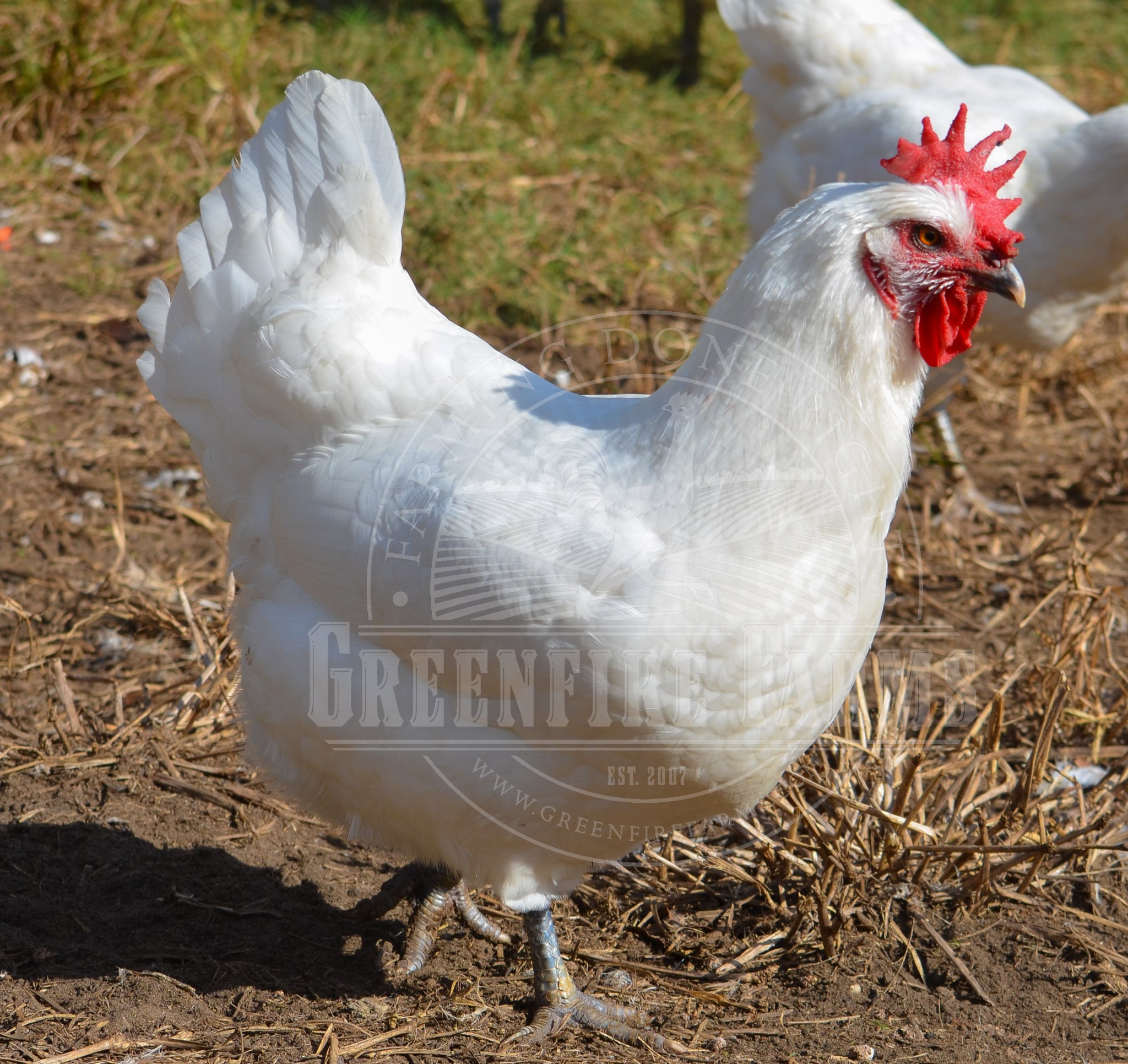
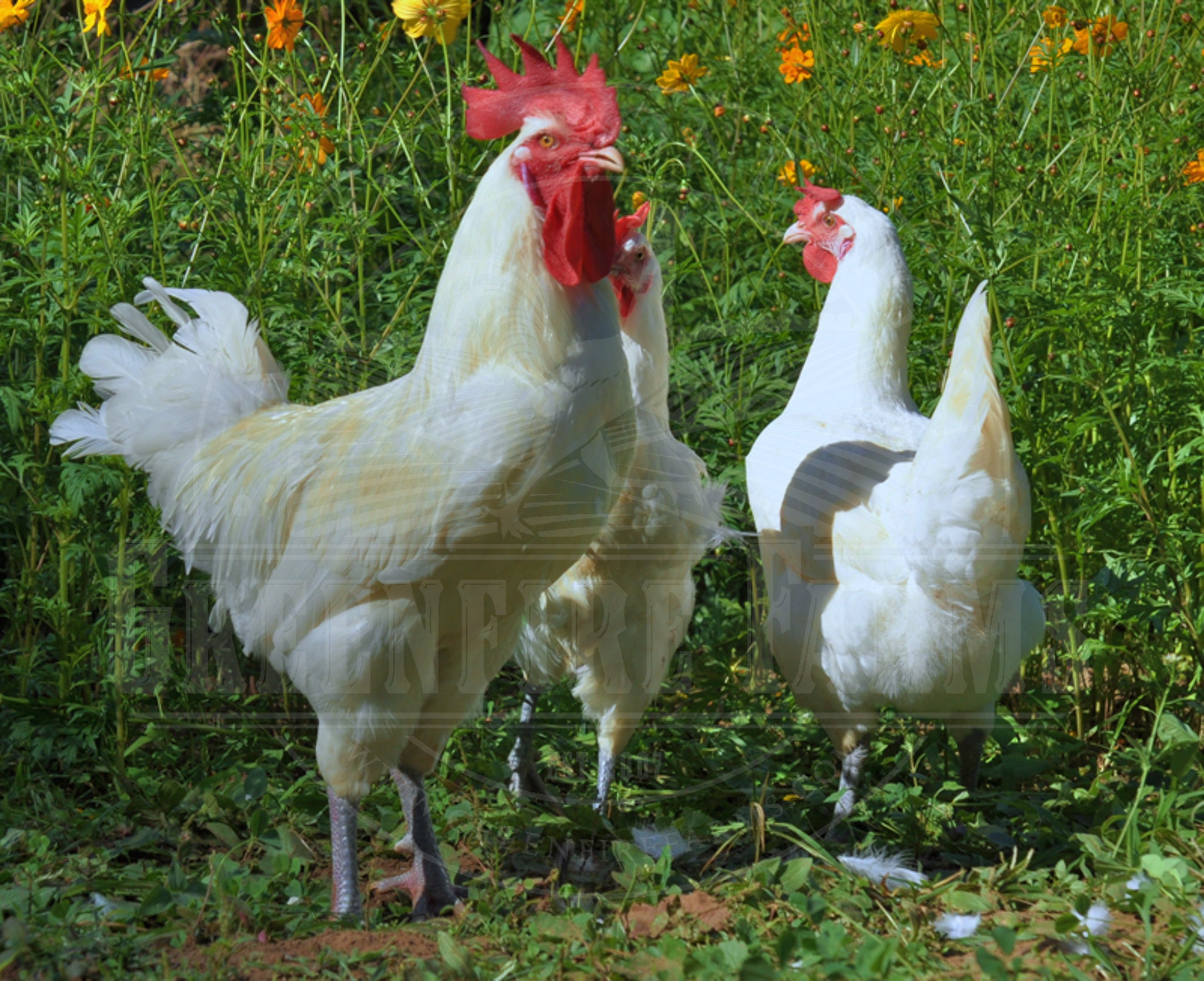
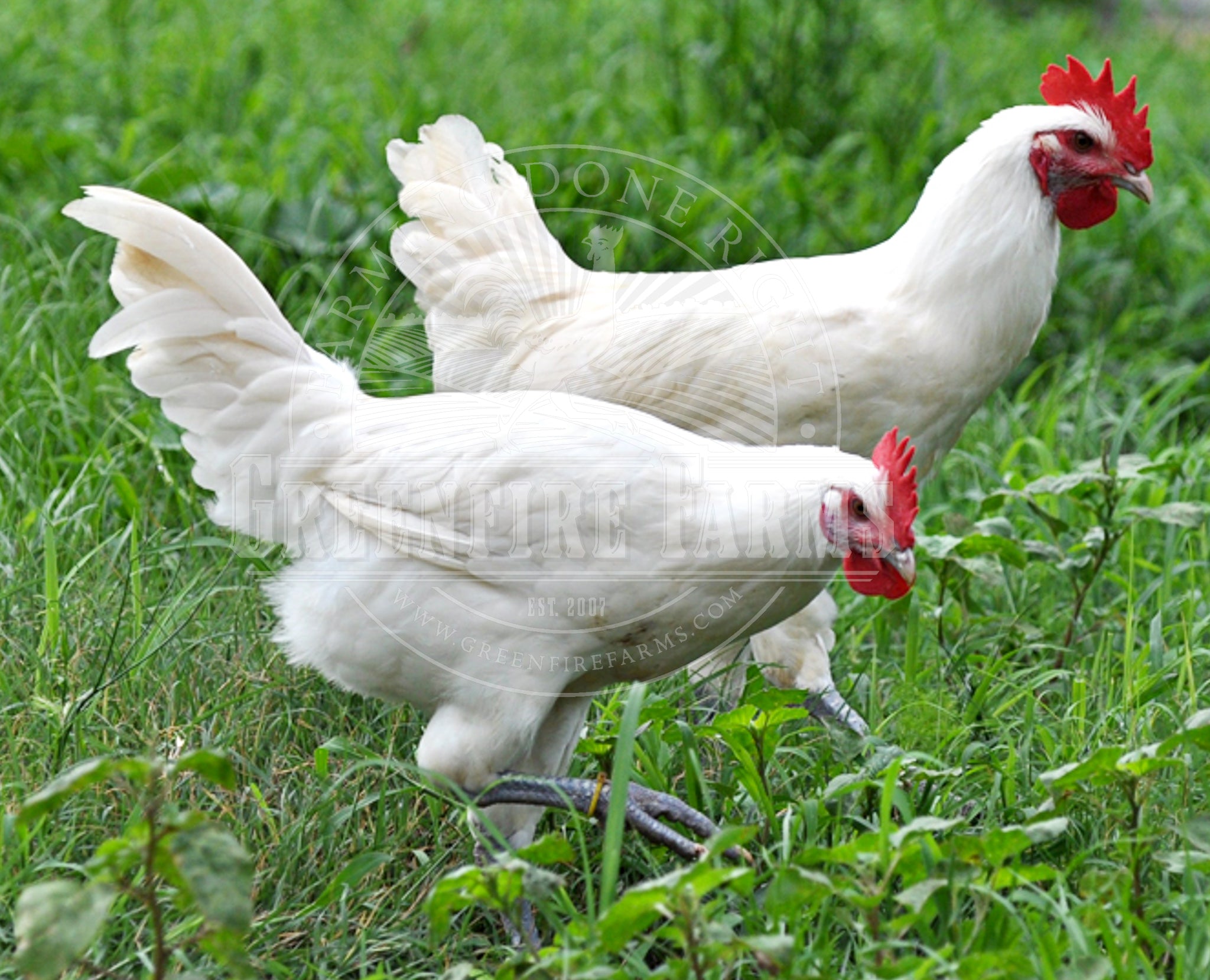
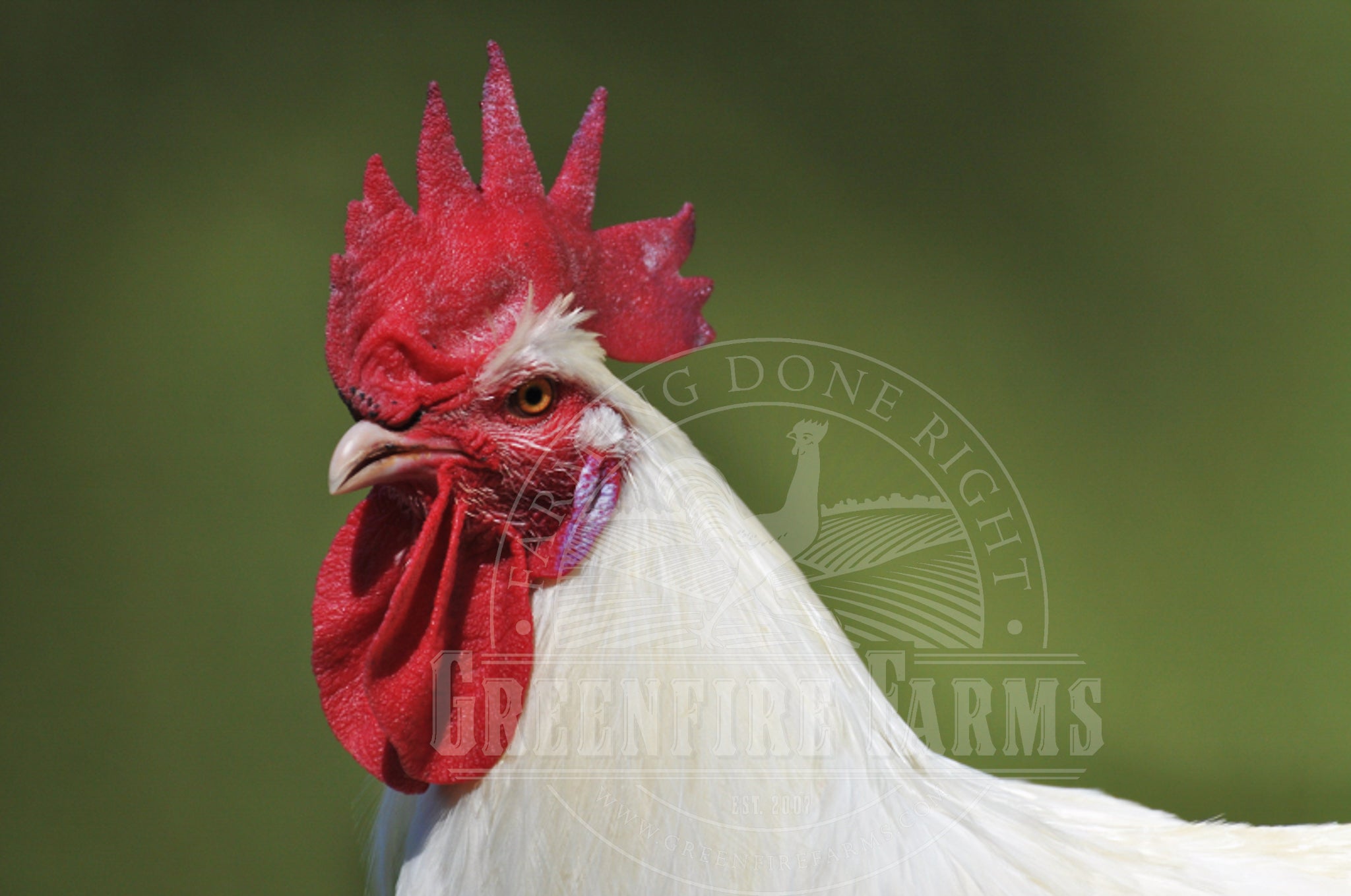
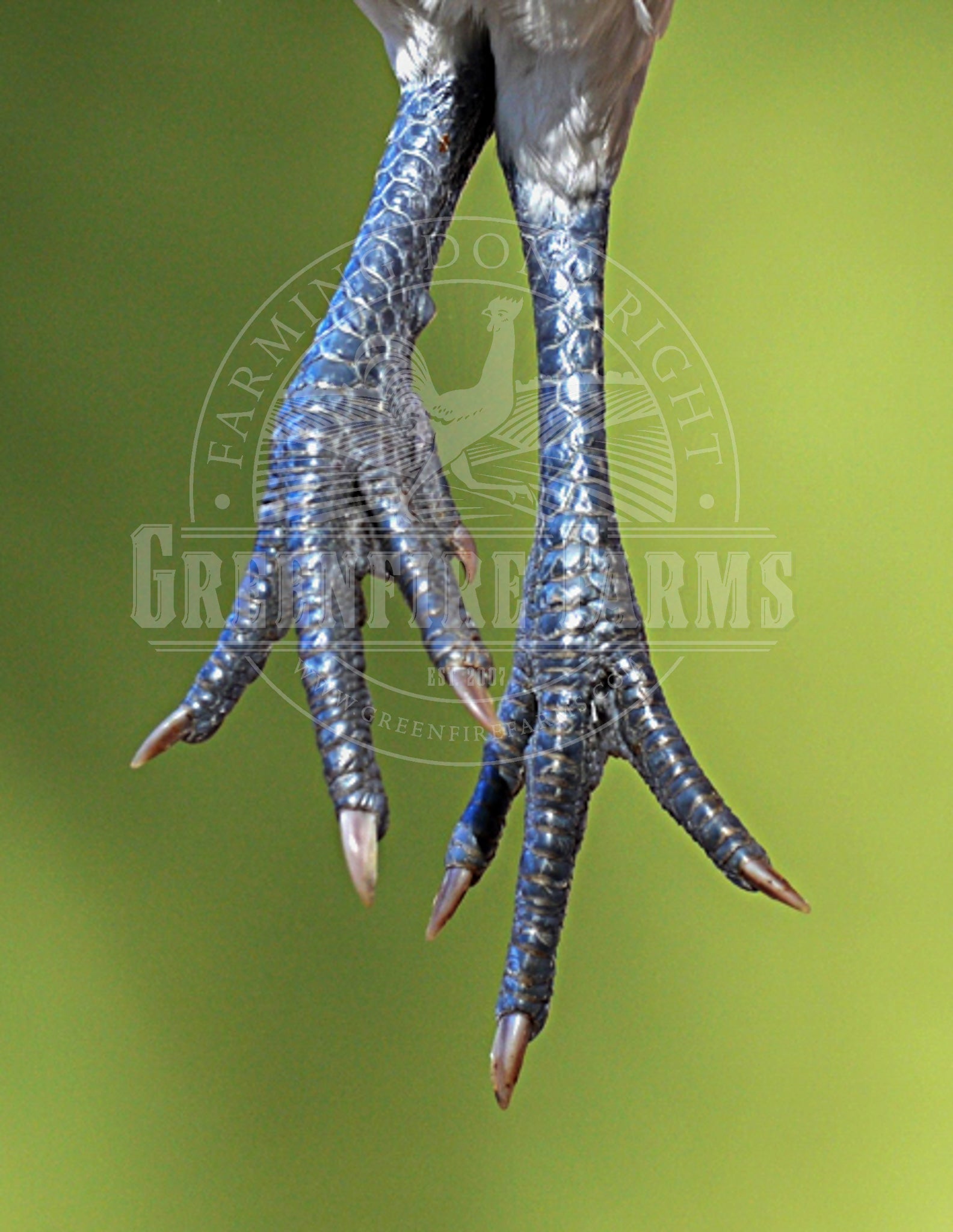
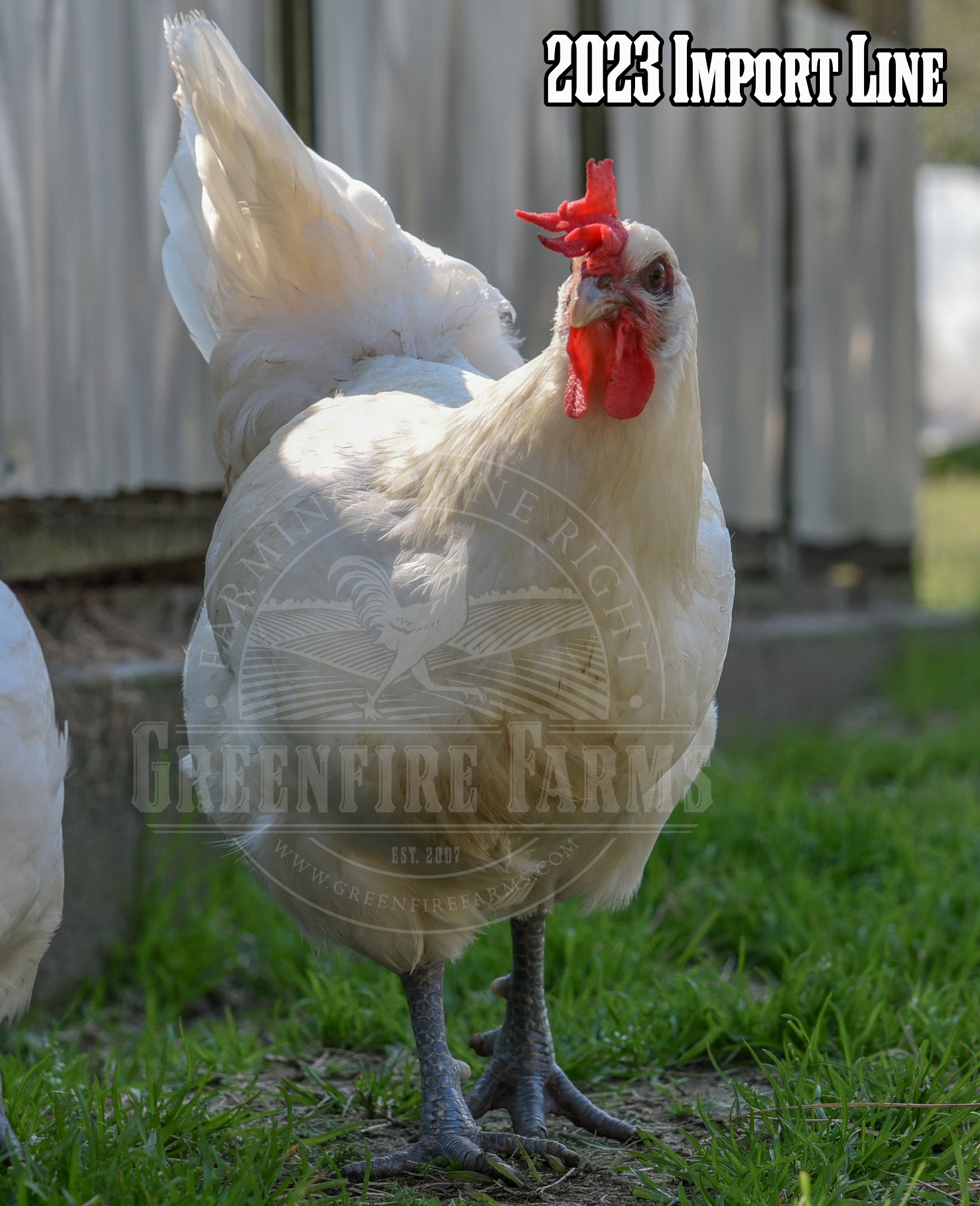
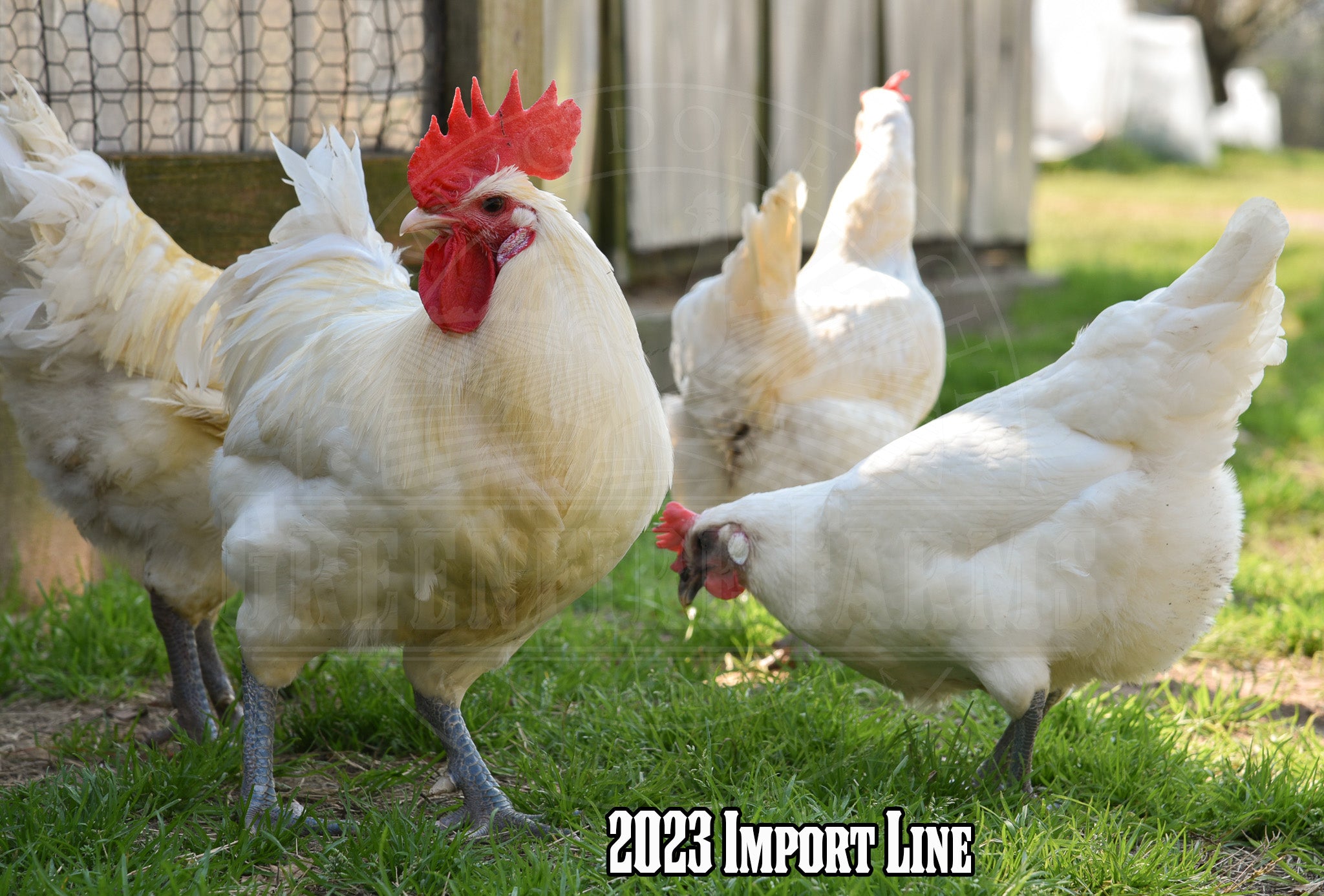
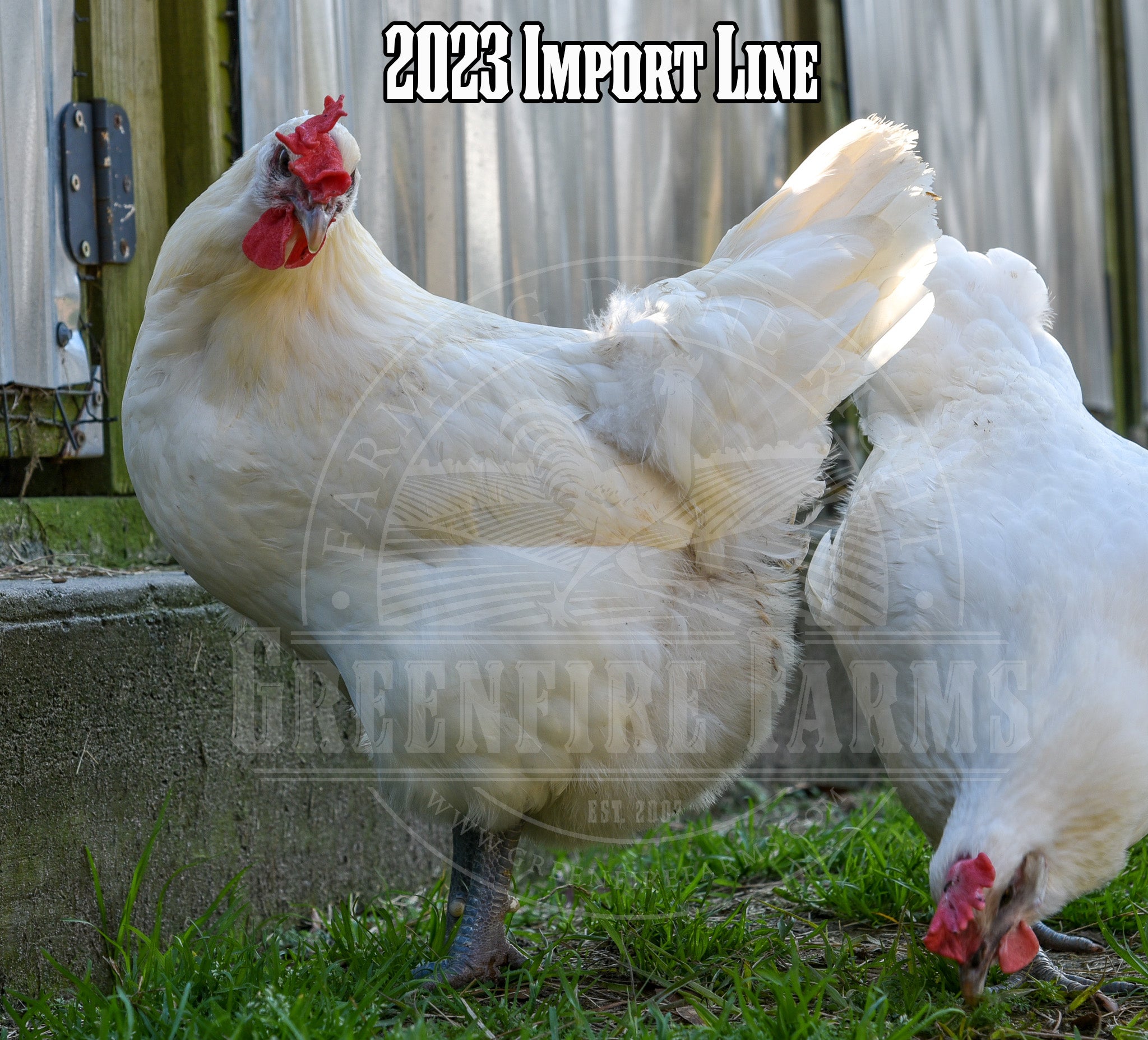
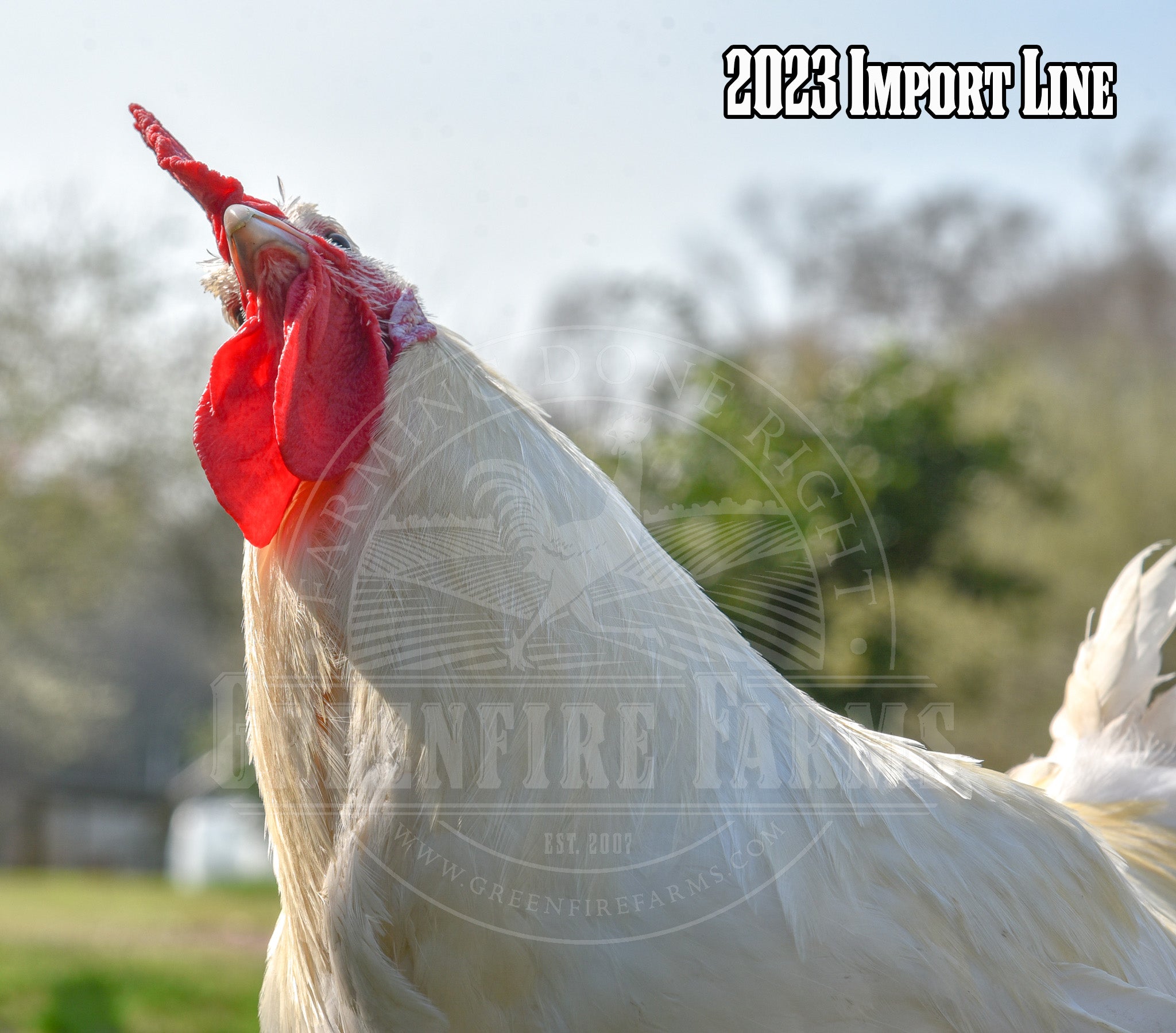
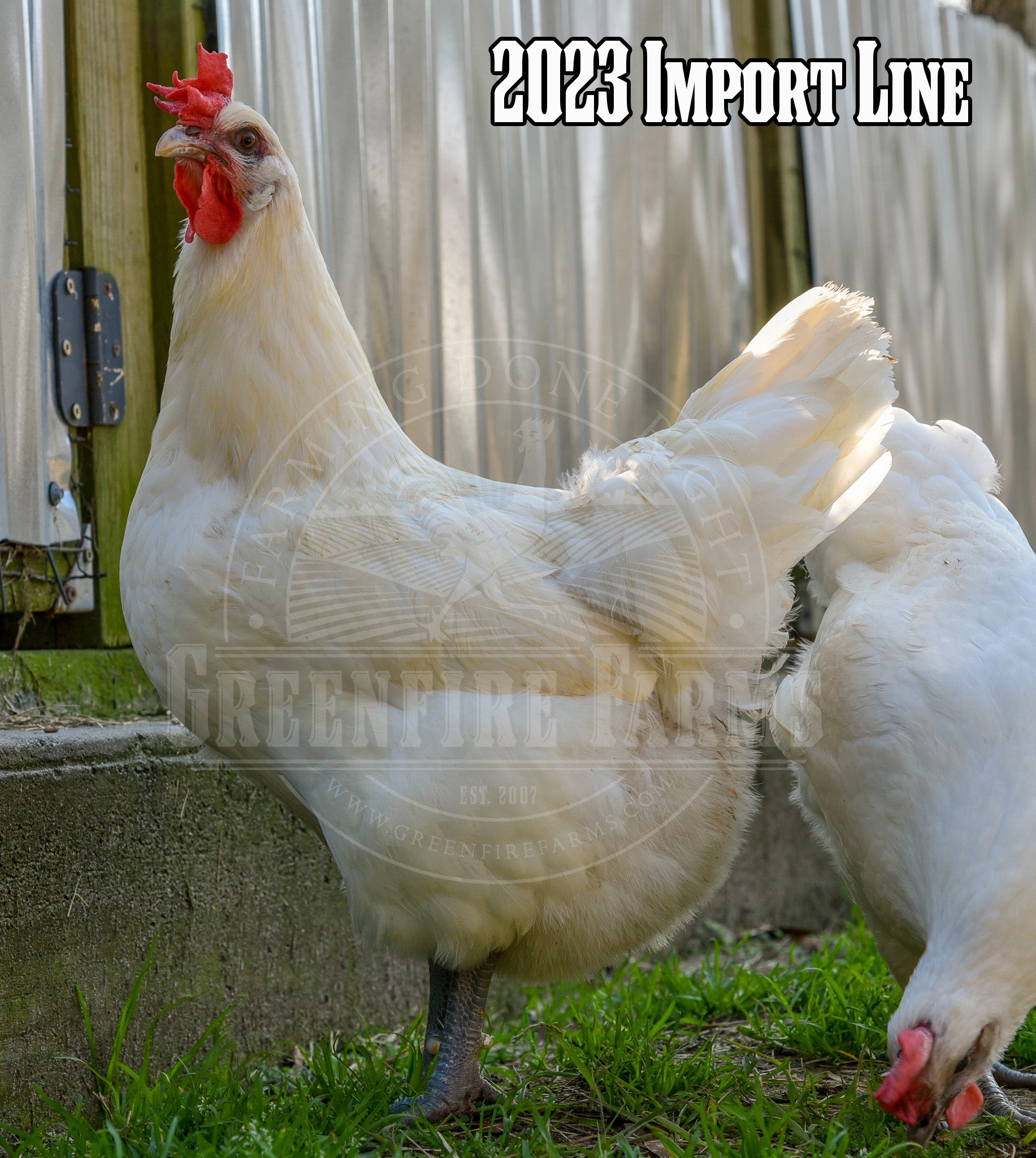
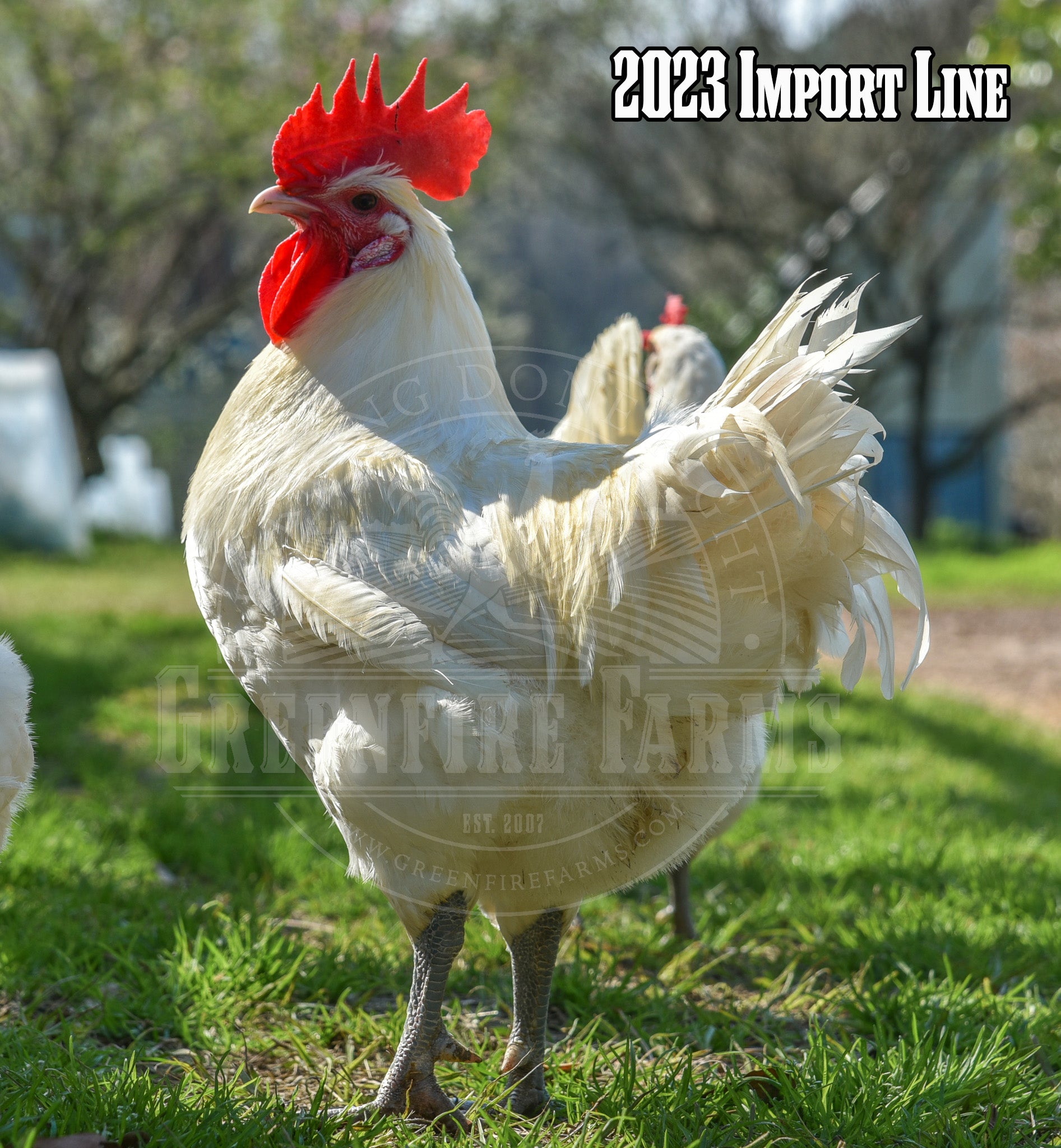
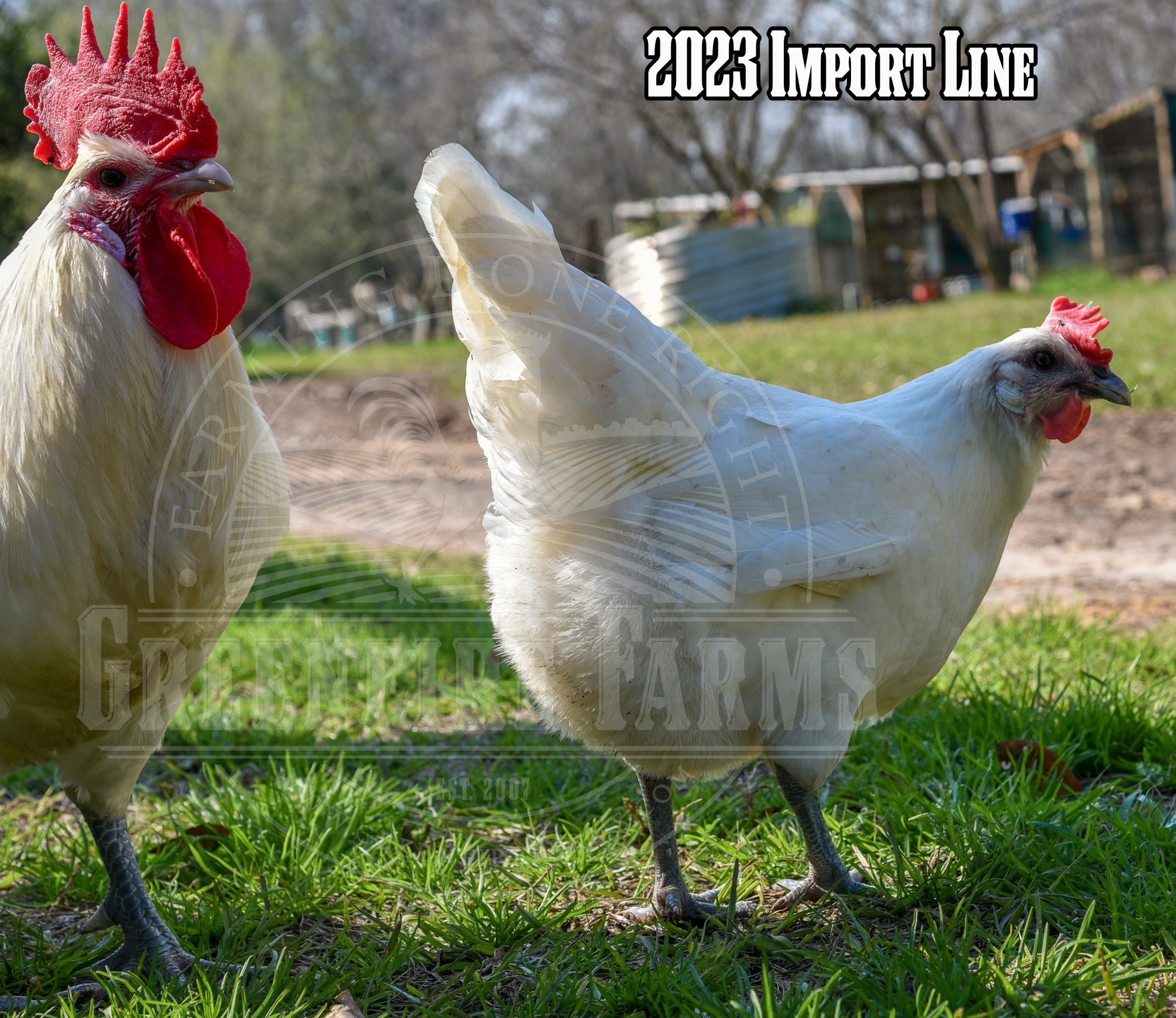
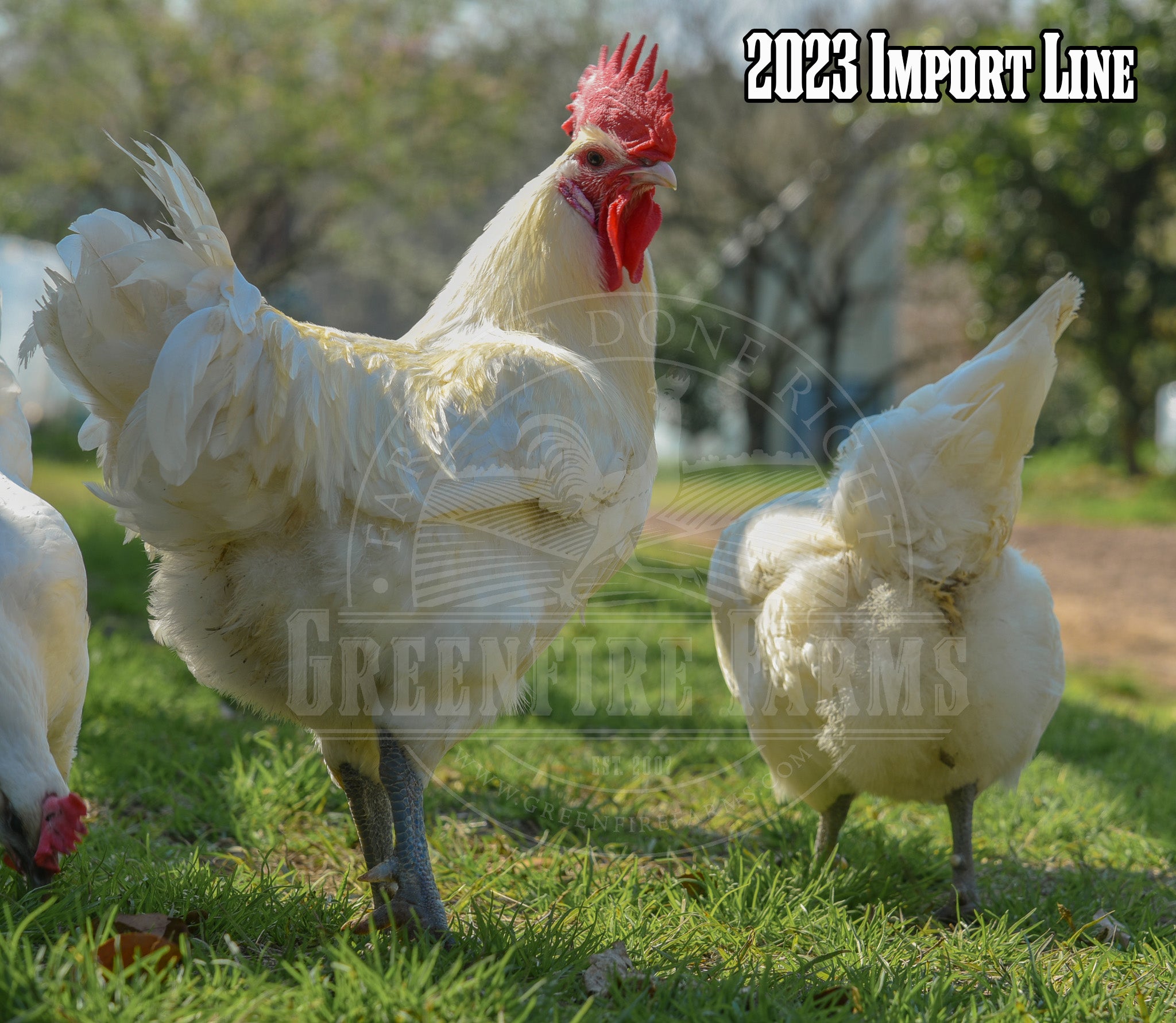
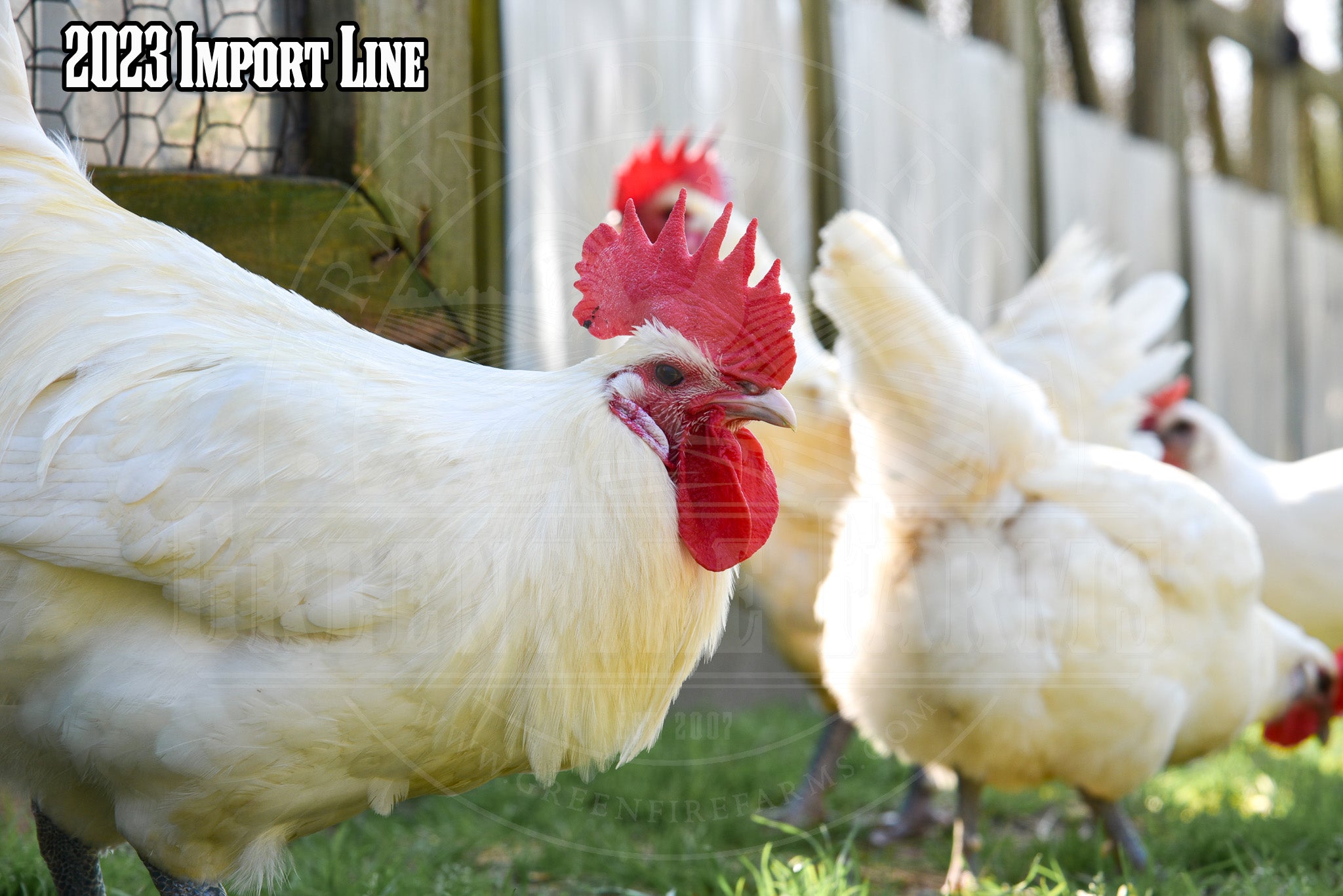
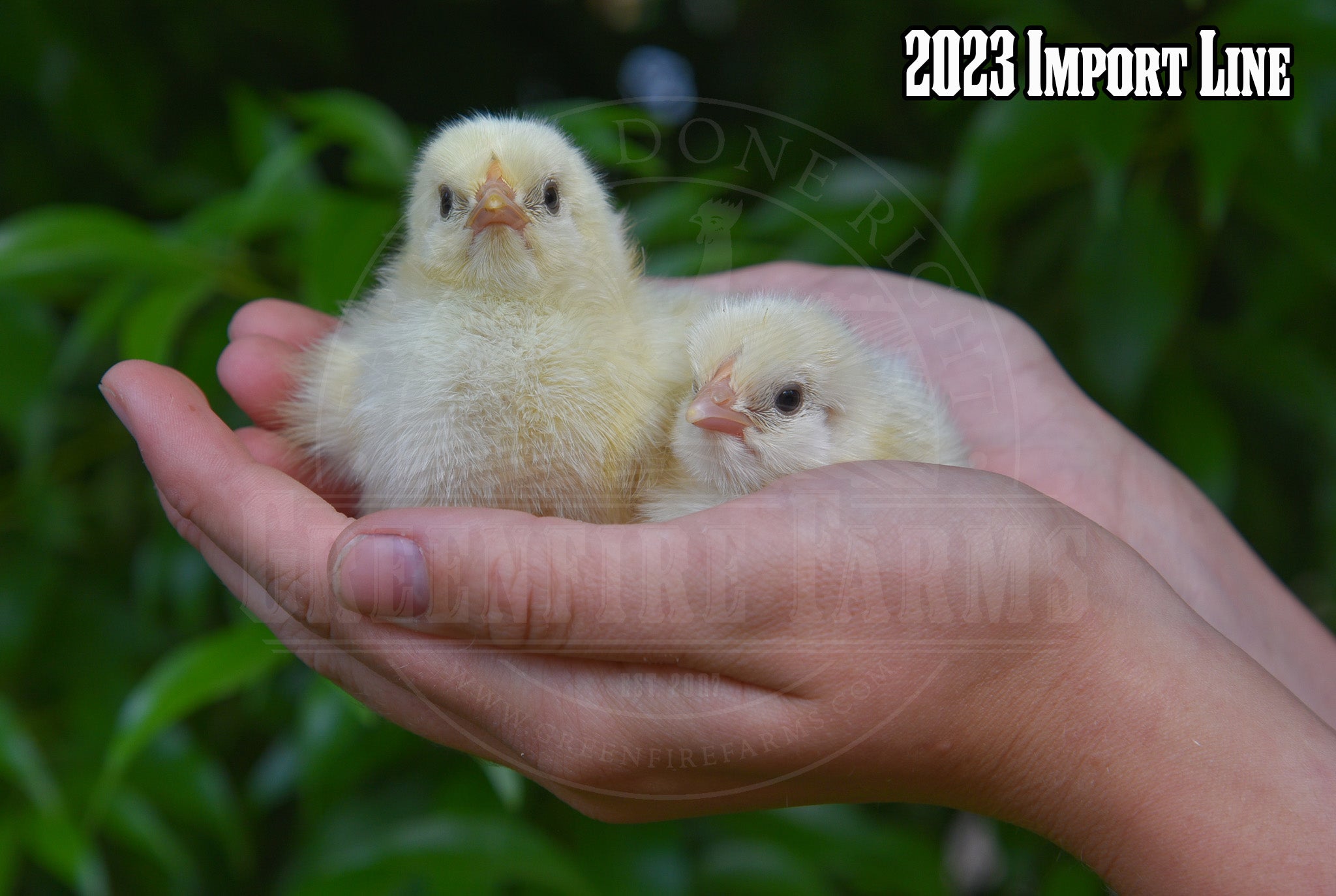
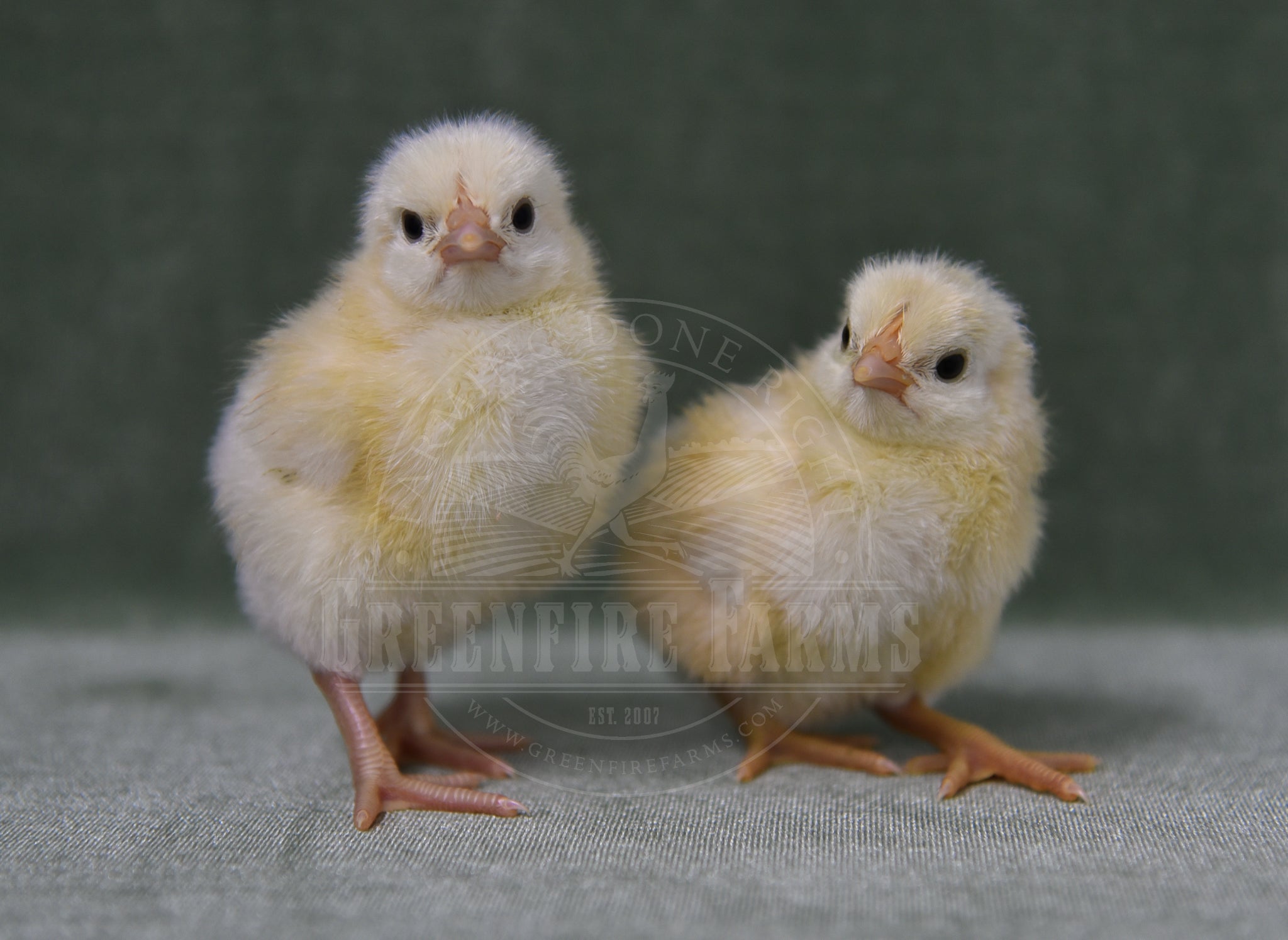
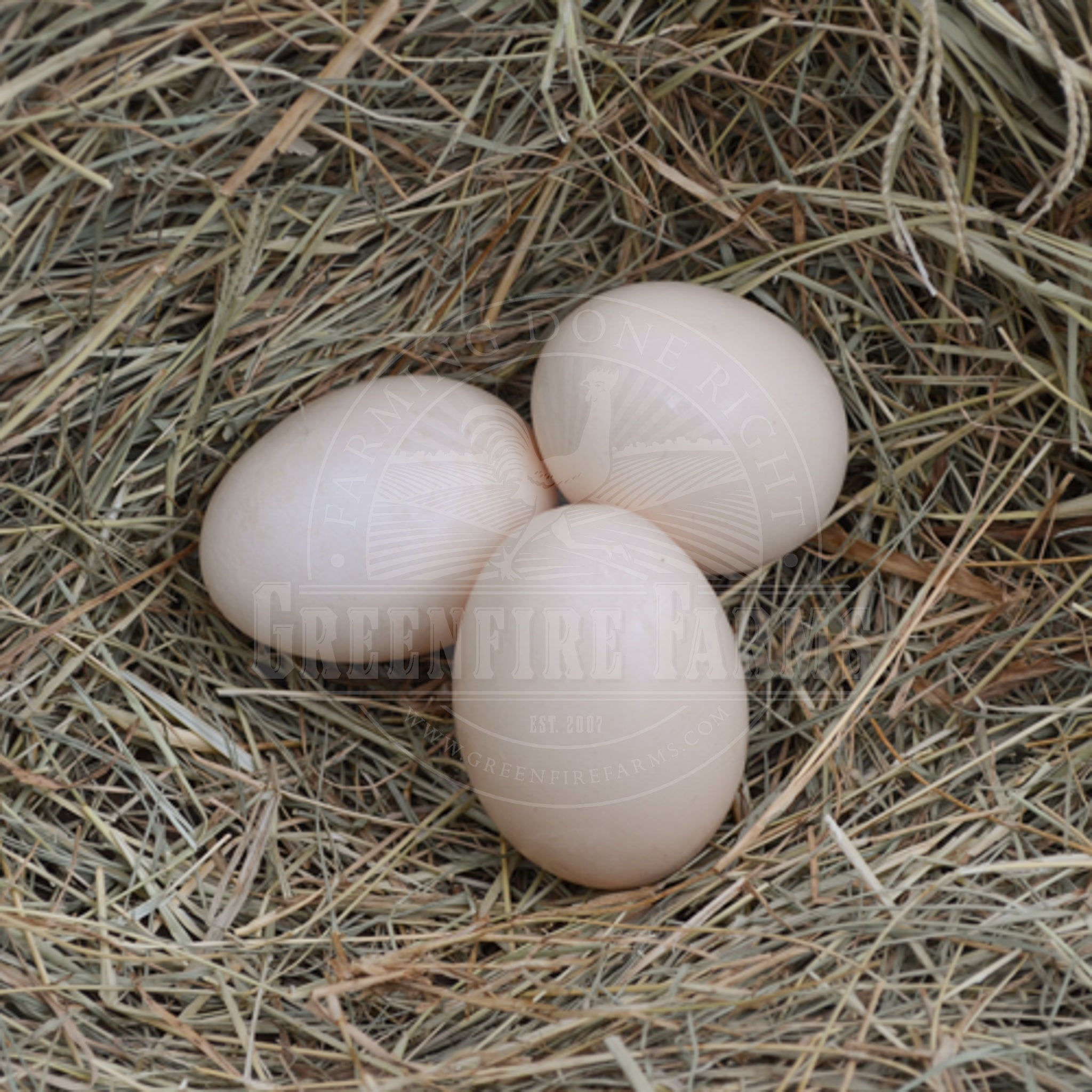
Bresse chickens, first developed about 500 years ago in eastern France, are widely regarded as the best-tasting chickens in the world; a reputation built on centuries of careful breeding, unique regional genetics, and deep culinary tradition. Bresse make excellent backyard birds, laying roughly 250 large, white to lightly tinted eggs and displaying a moderate, curious temperament. With striking red combs, brilliant white feathers, and steel-blue legs that echo the French flag, they grow into sturdy, broad-chested birds—hens reaching 5-6 pounds and roosters 7-9 pounds—though their size means they’re not graceful fliers and need lower perches and nest boxes. They can be feisty foragers, dedicated mothers when broody, and attentive protectors, especially with an active rooster-to-hen ratio of around 1:12. Their breed standard calls for pure white plumage, dark eyes, red faces, and white earlobes, though a bit of sun or soil may give them a temporary “toasted marshmallow” tint.
Breed History
Appearance and Behavior
Breed Standard
Hatching Eggs
Breed defects or issues
Notes
Breed Availability
|
Aug 18, 2026
|
Aug 25, 2026
|
Sep 01, 2026
|
Sep 08, 2026
|
Sep 15, 2026
|
Sep 22, 2026
|
Sep 29, 2026
|
Oct 06, 2026
|
Oct 13, 2026
|
Oct 20, 2026
|
Oct 27, 2026
|
White Bresse
Breed History
Appearance and Behavior
Breed Standard
Hatching Eggs
Breed defects or issues
Notes
More Details


About
Bresse chickens, first developed about 500 years ago in eastern France, are widely regarded as the best-tasting chickens in the world; a reputation built on centuries of careful breeding, unique regional genetics, and deep culinary tradition. Bresse make excellent backyard birds, laying roughly 250 large, white to lightly tinted eggs and displaying a moderate, curious temperament. With striking red combs, brilliant white feathers, and steel-blue legs that echo the French flag, they grow into sturdy, broad-chested birds—hens reaching 5-6 pounds and roosters 7-9 pounds—though their size means they’re not graceful fliers and need lower perches and nest boxes. They can be feisty foragers, dedicated mothers when broody, and attentive protectors, especially with an active rooster-to-hen ratio of around 1:12. Their breed standard calls for pure white plumage, dark eyes, red faces, and white earlobes, though a bit of sun or soil may give them a temporary “toasted marshmallow” tint.
Breed History
Appearance and Behavior
Breed Standard
Hatching Eggs
Breed defects or issues
Notes
Breed Availability
|
Aug 18, 2026
|
Aug 25, 2026
|
Sep 01, 2026
|
Sep 08, 2026
|
Sep 15, 2026
|
Sep 22, 2026
|
Sep 29, 2026
|
Oct 06, 2026
|
Oct 13, 2026
|
Oct 20, 2026
|
Oct 27, 2026
|
You may also like