

About
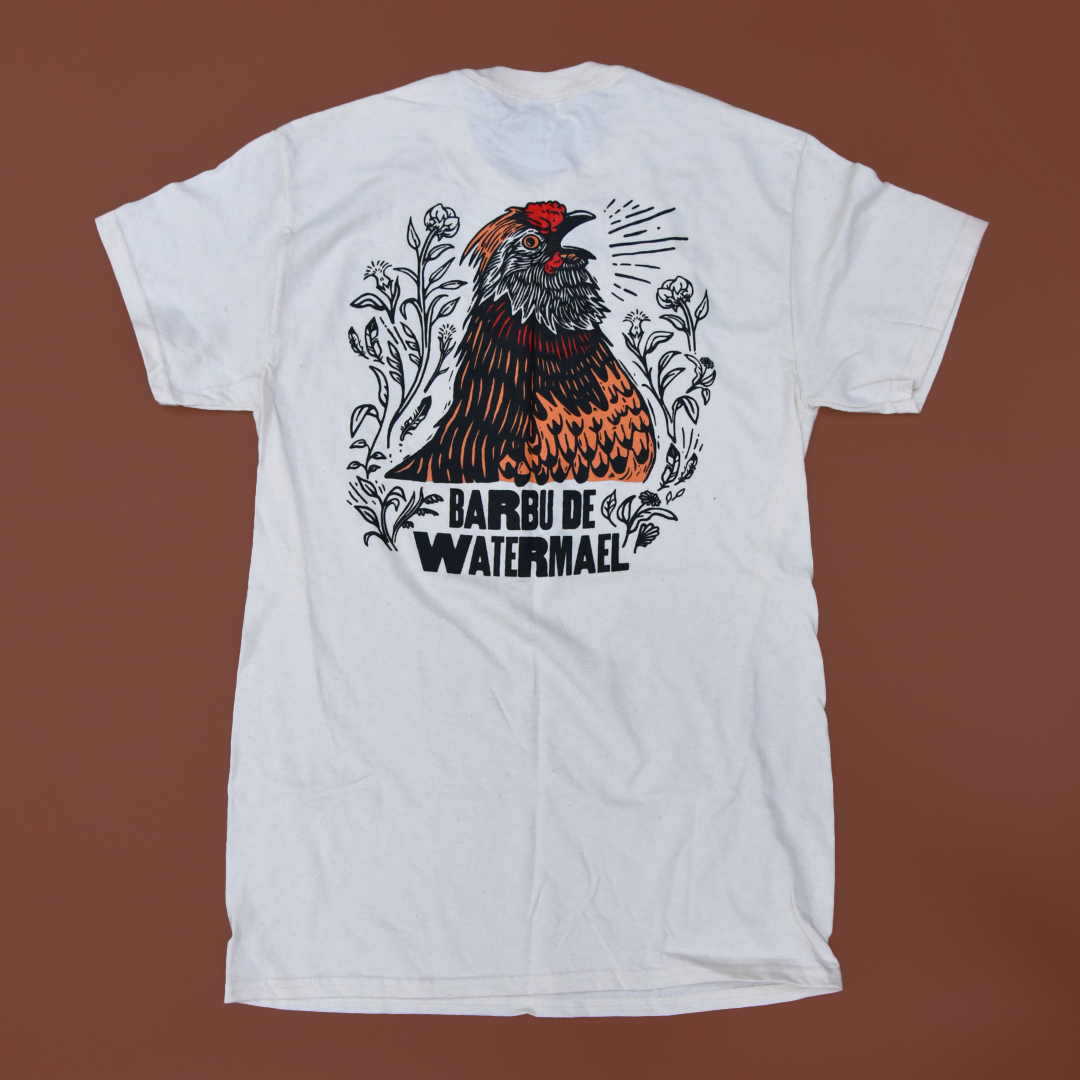
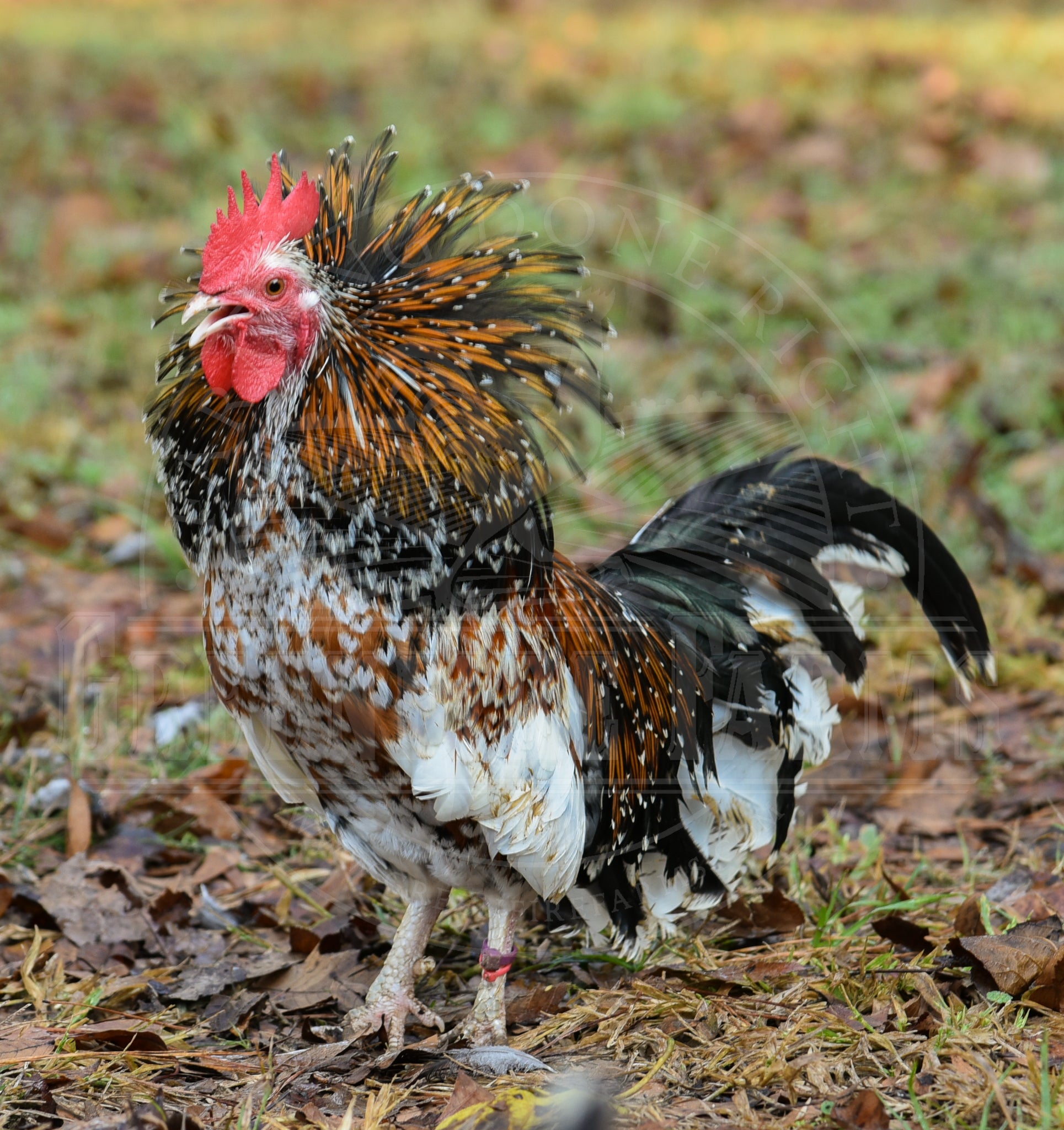
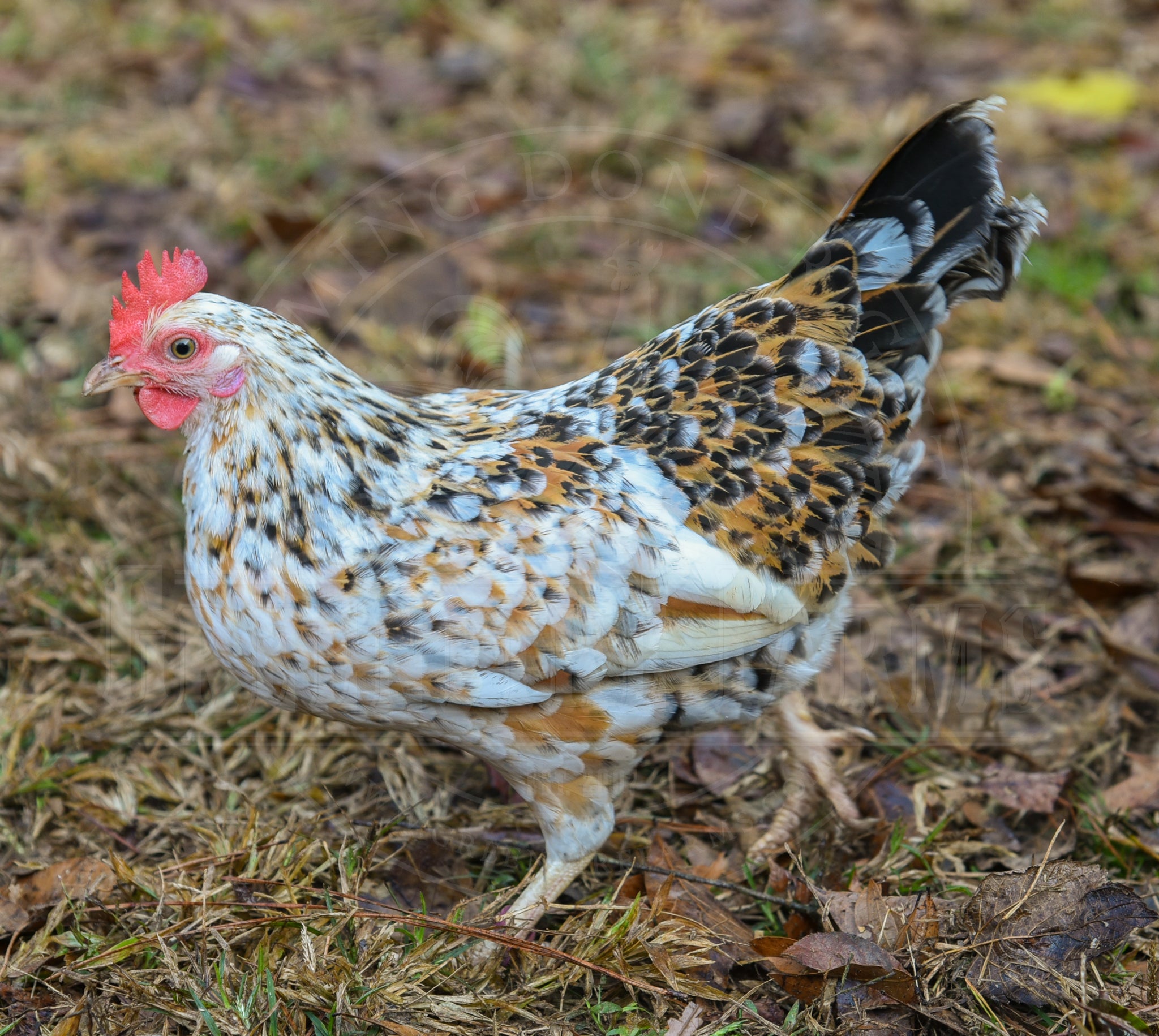
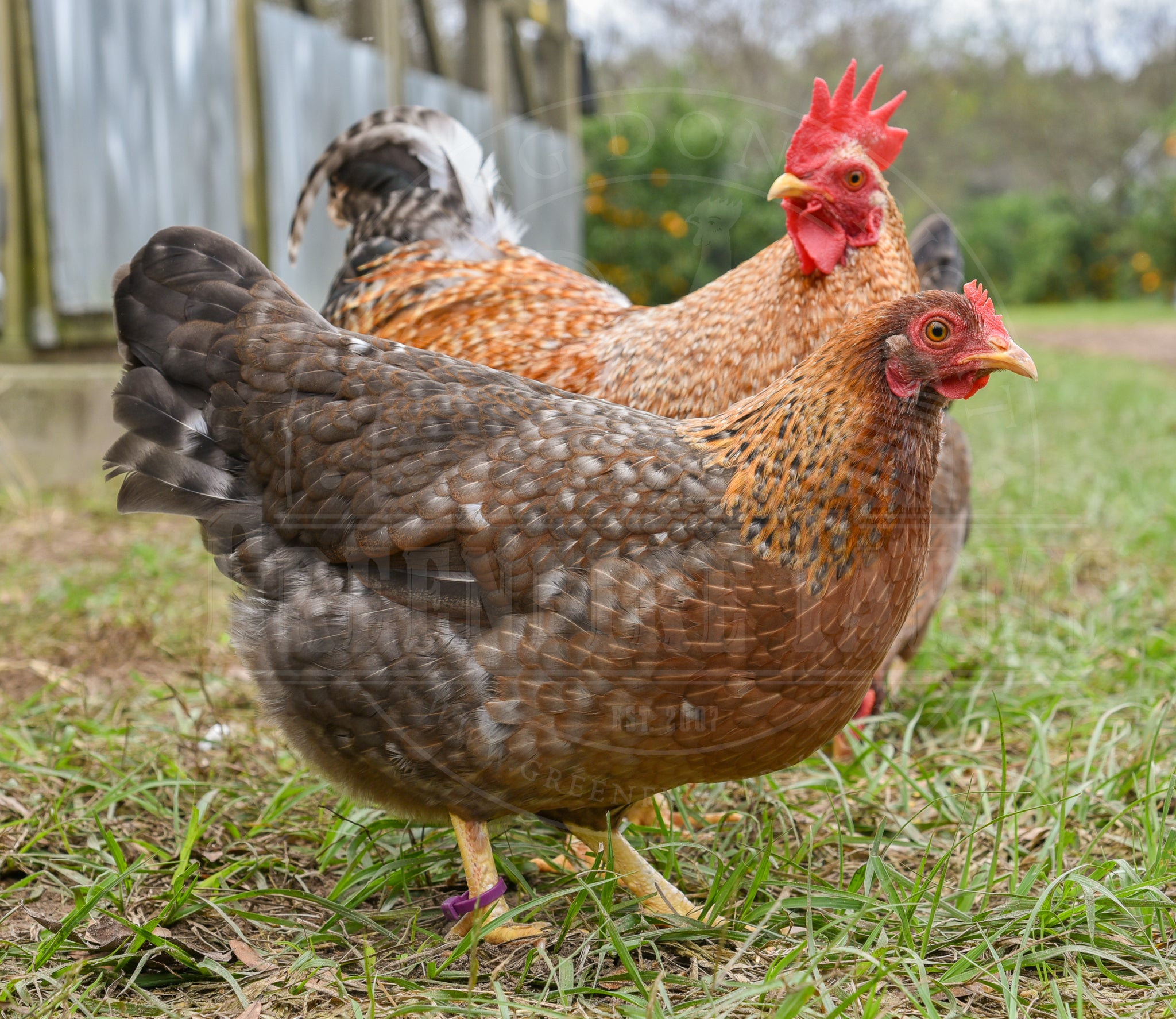
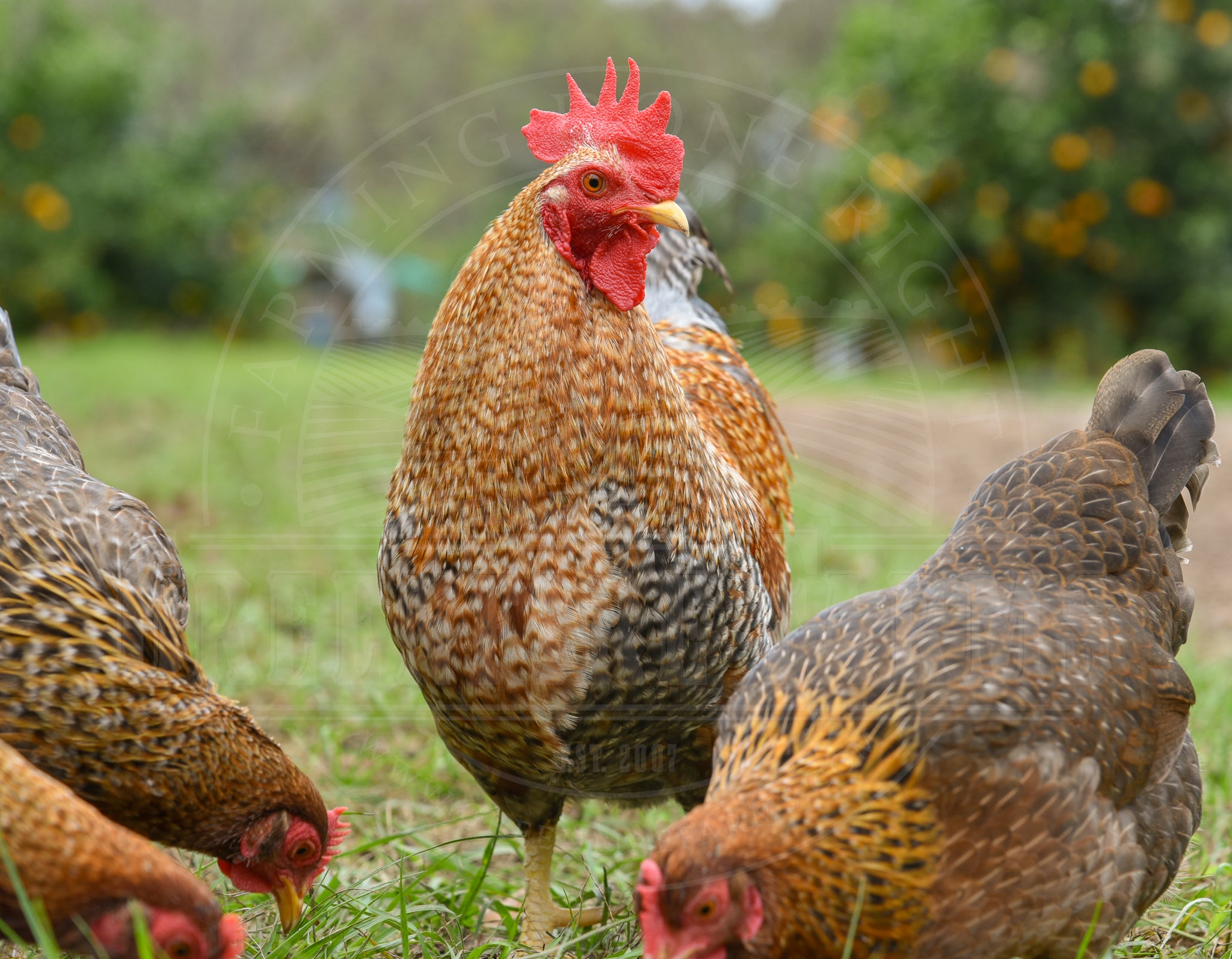
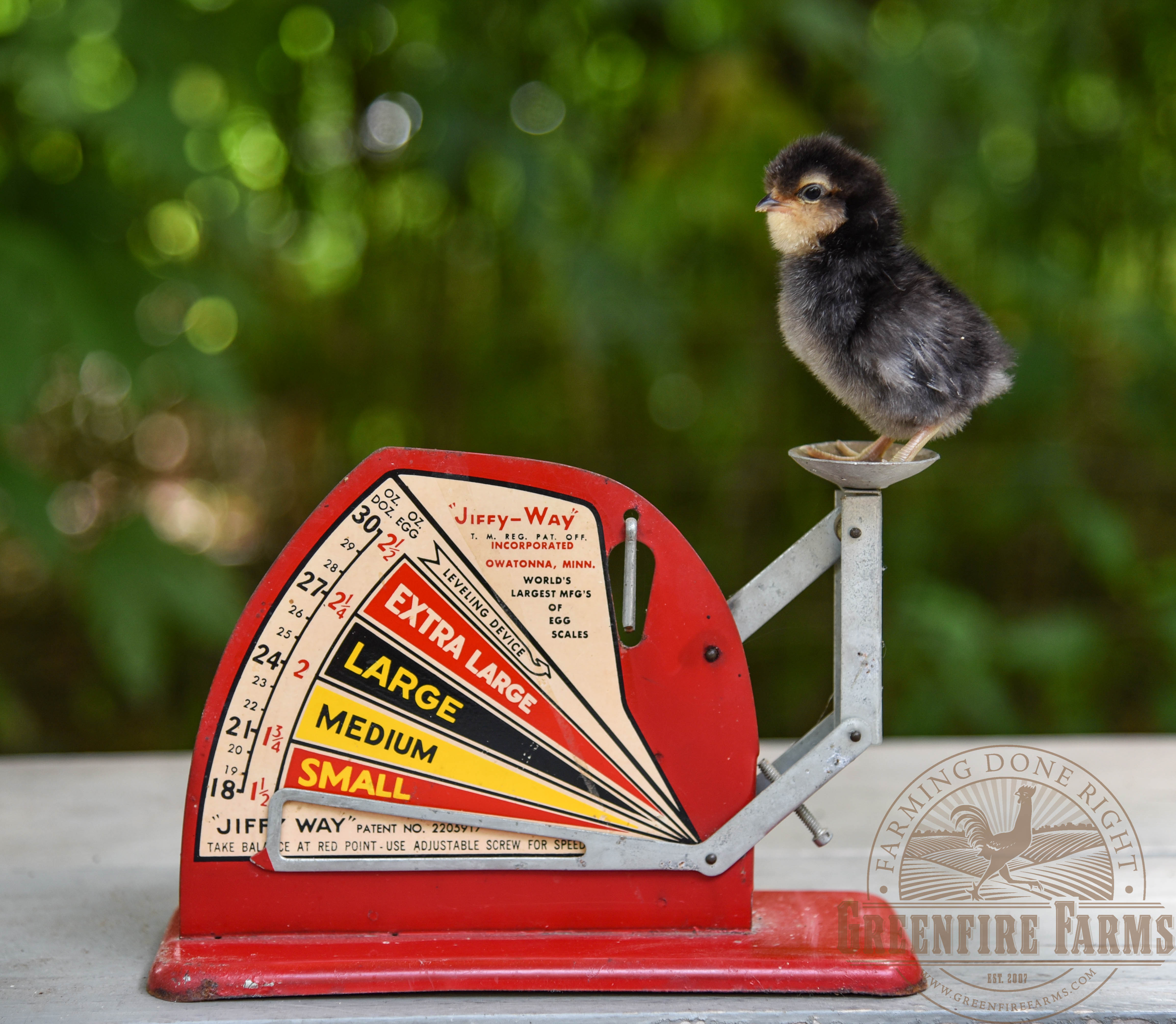
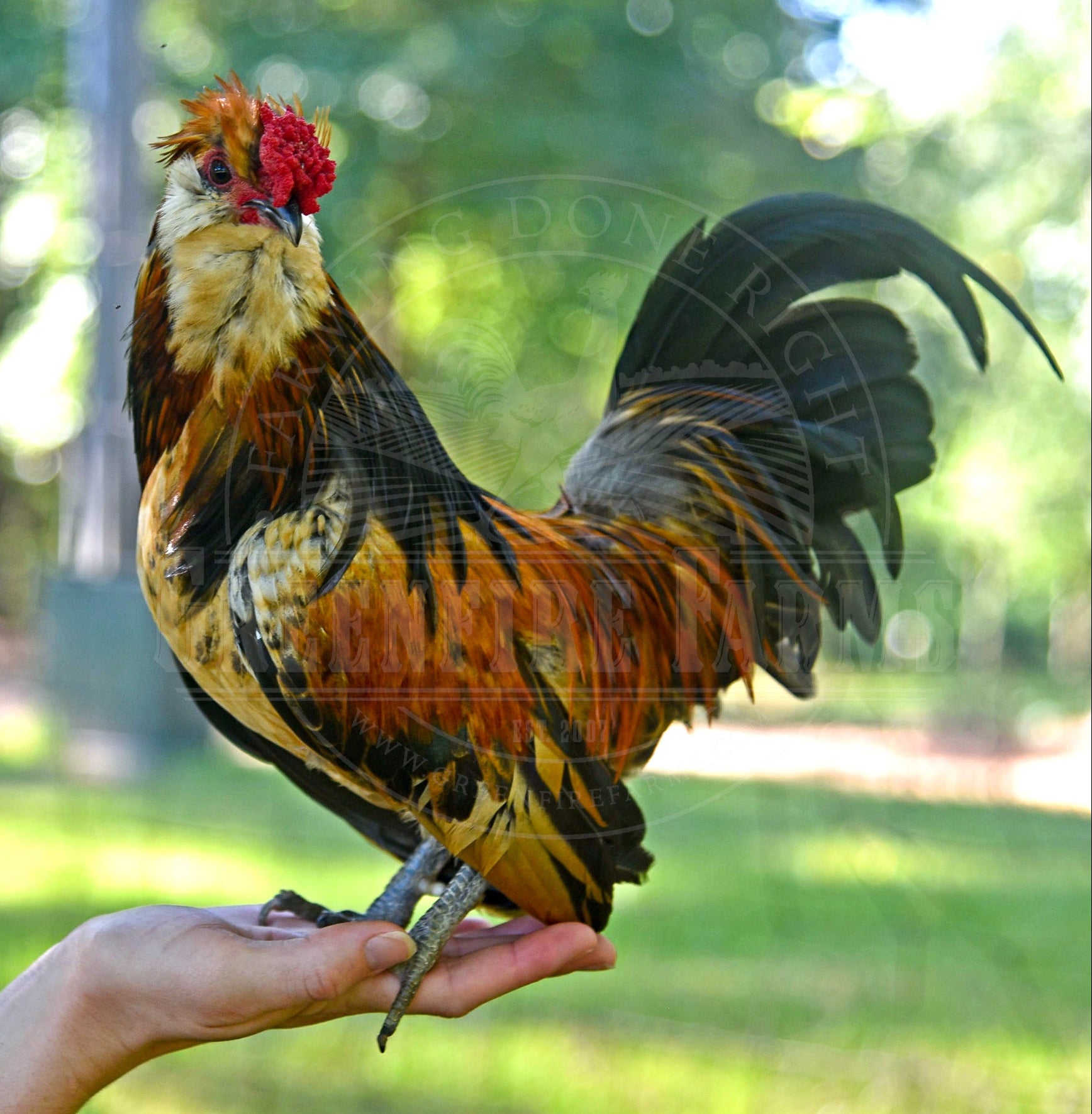
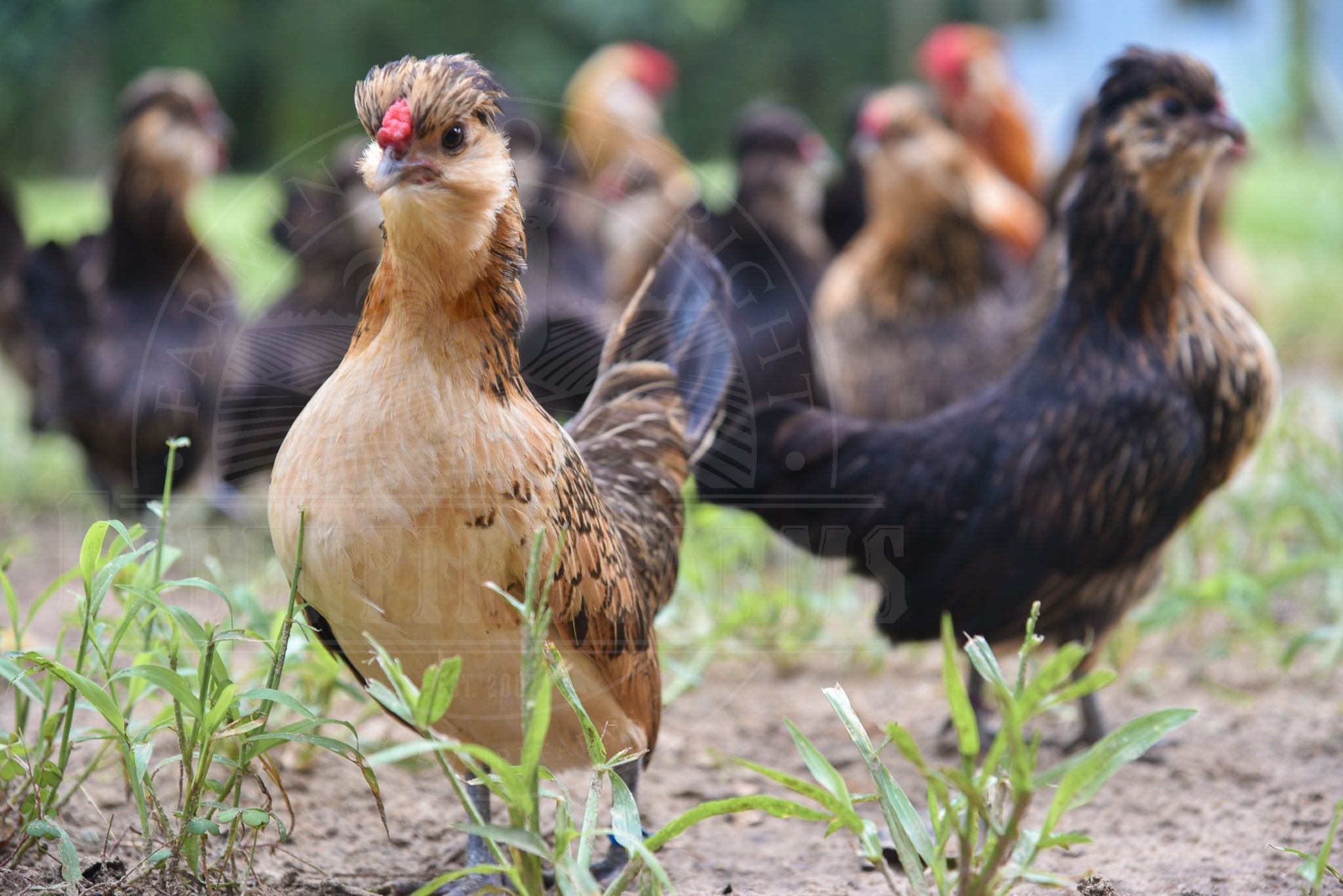
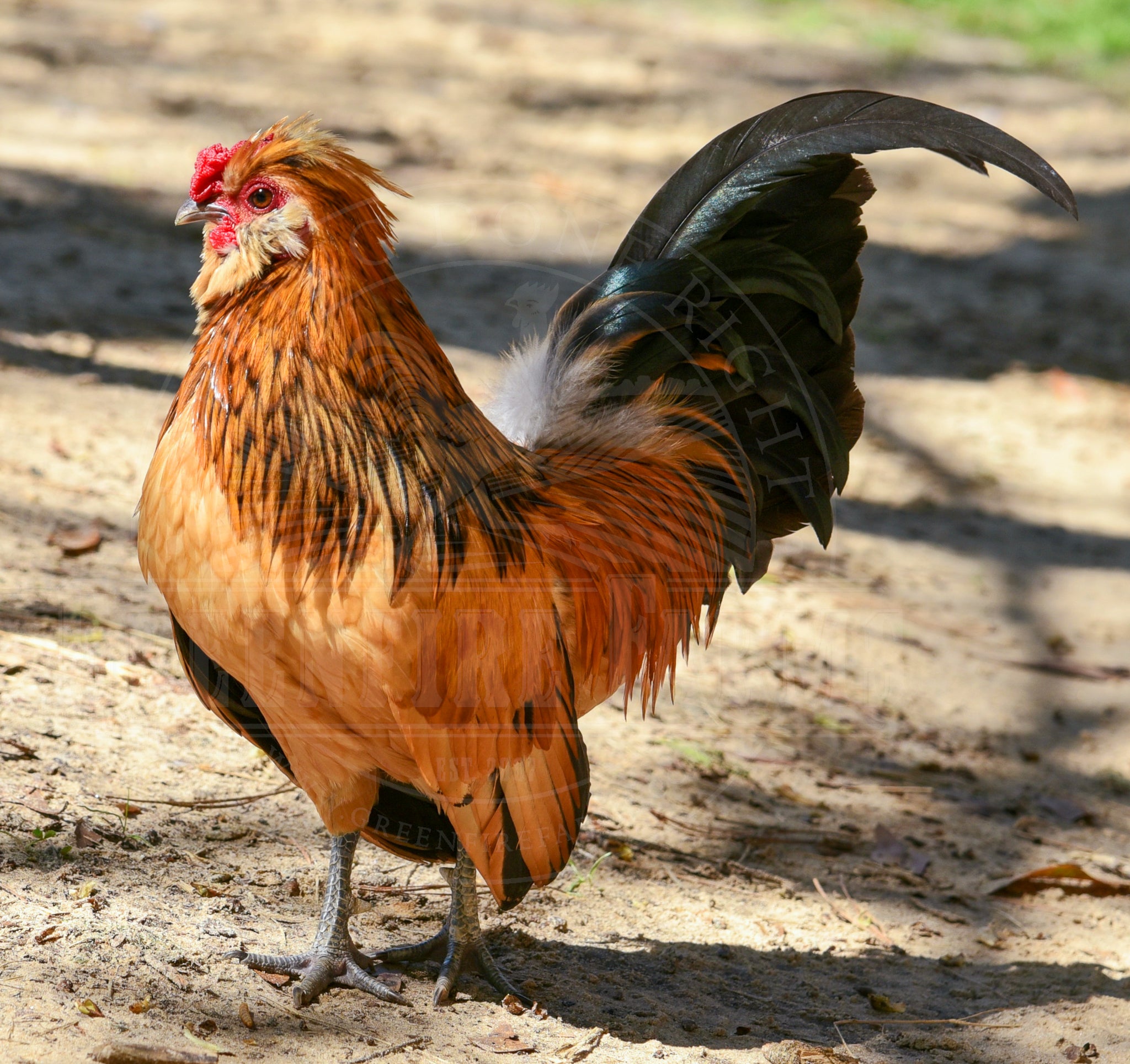
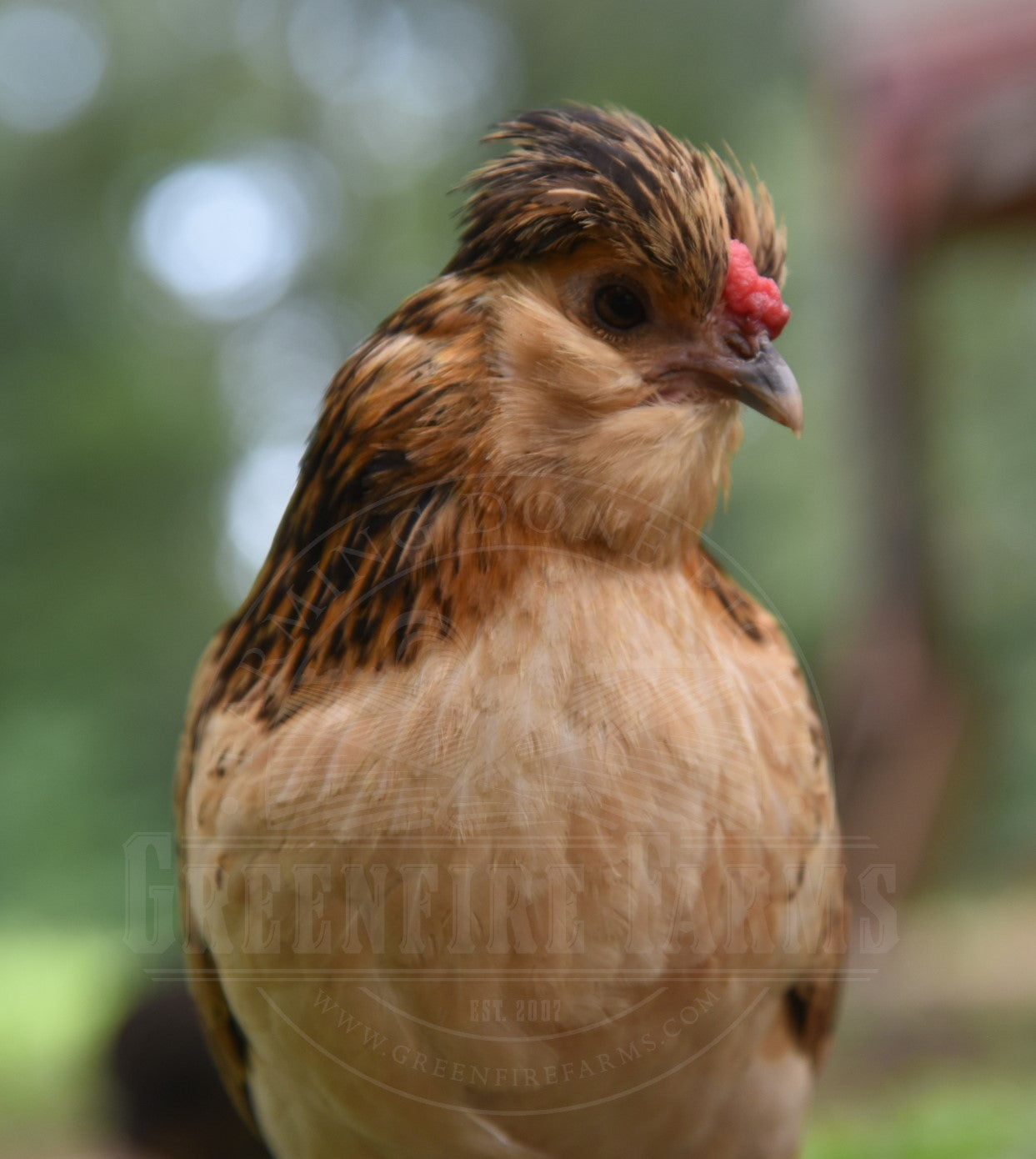
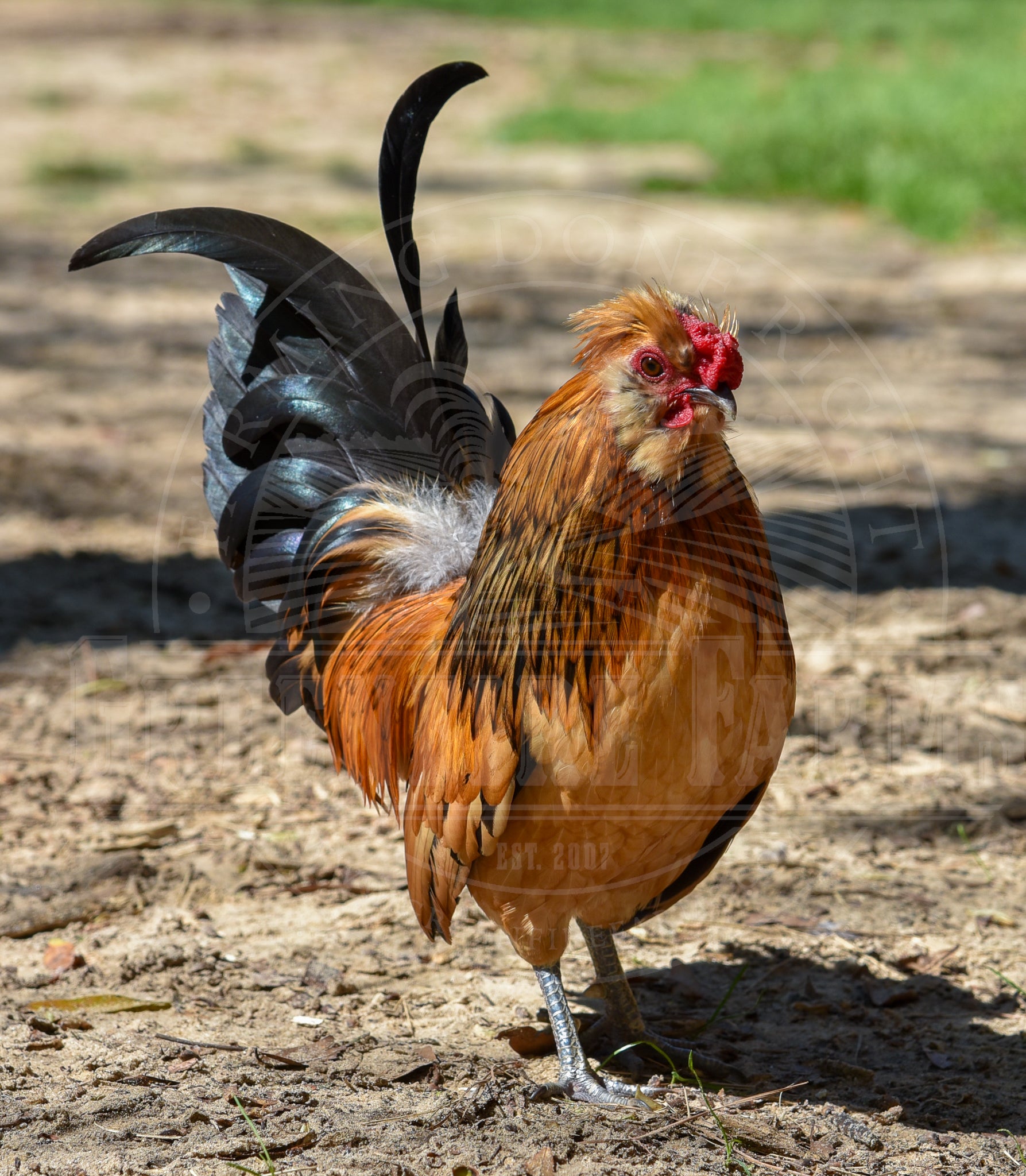
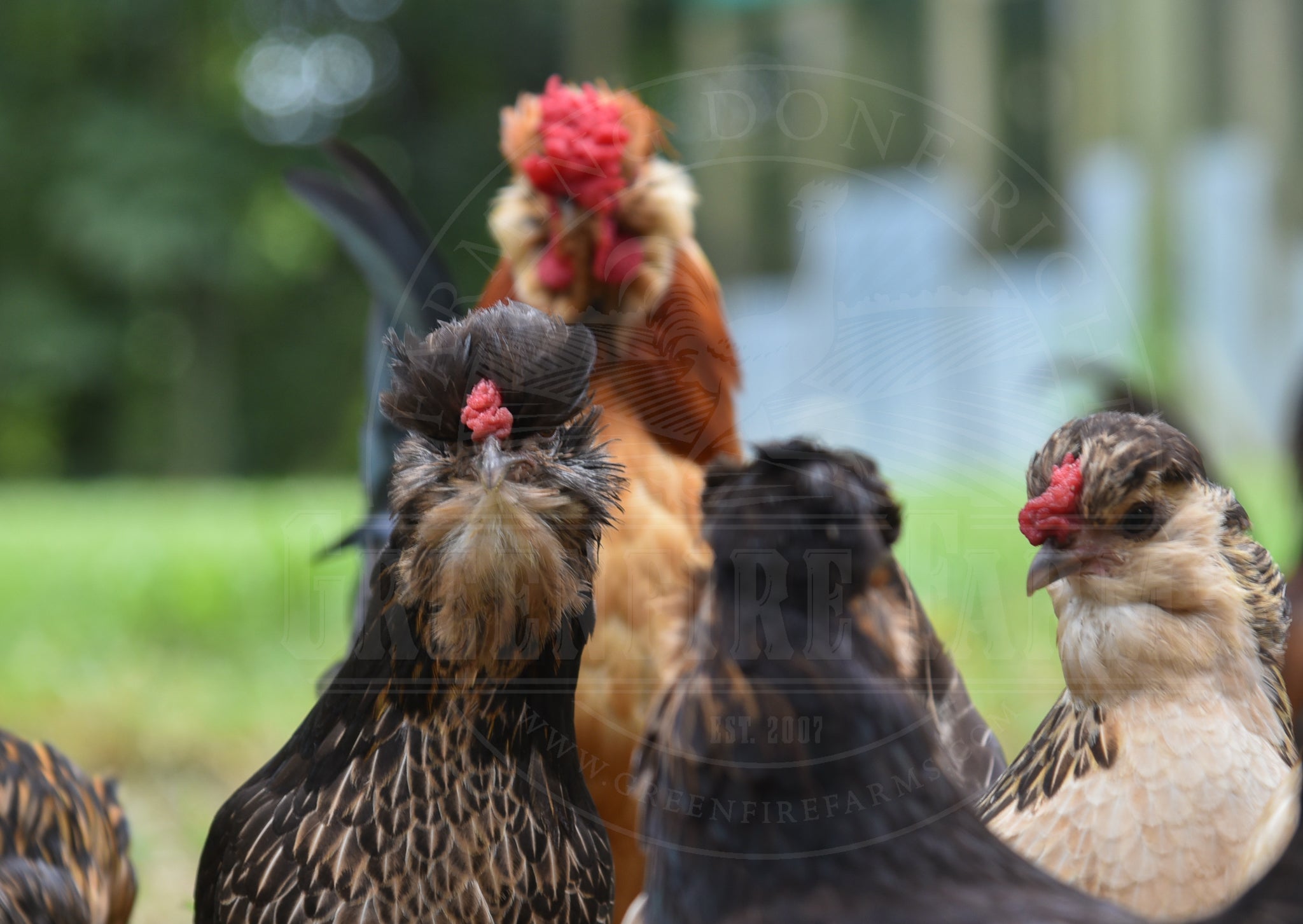
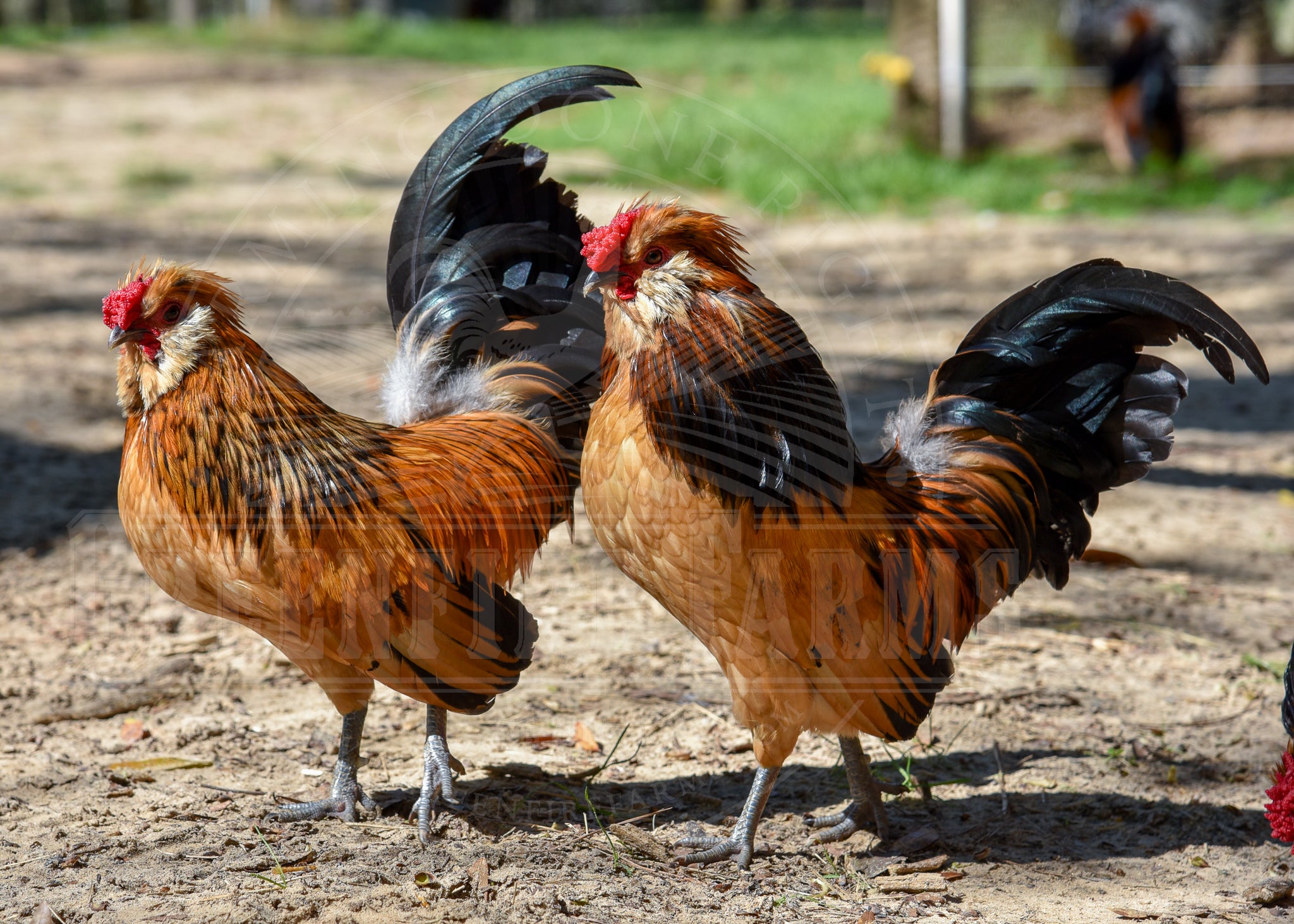
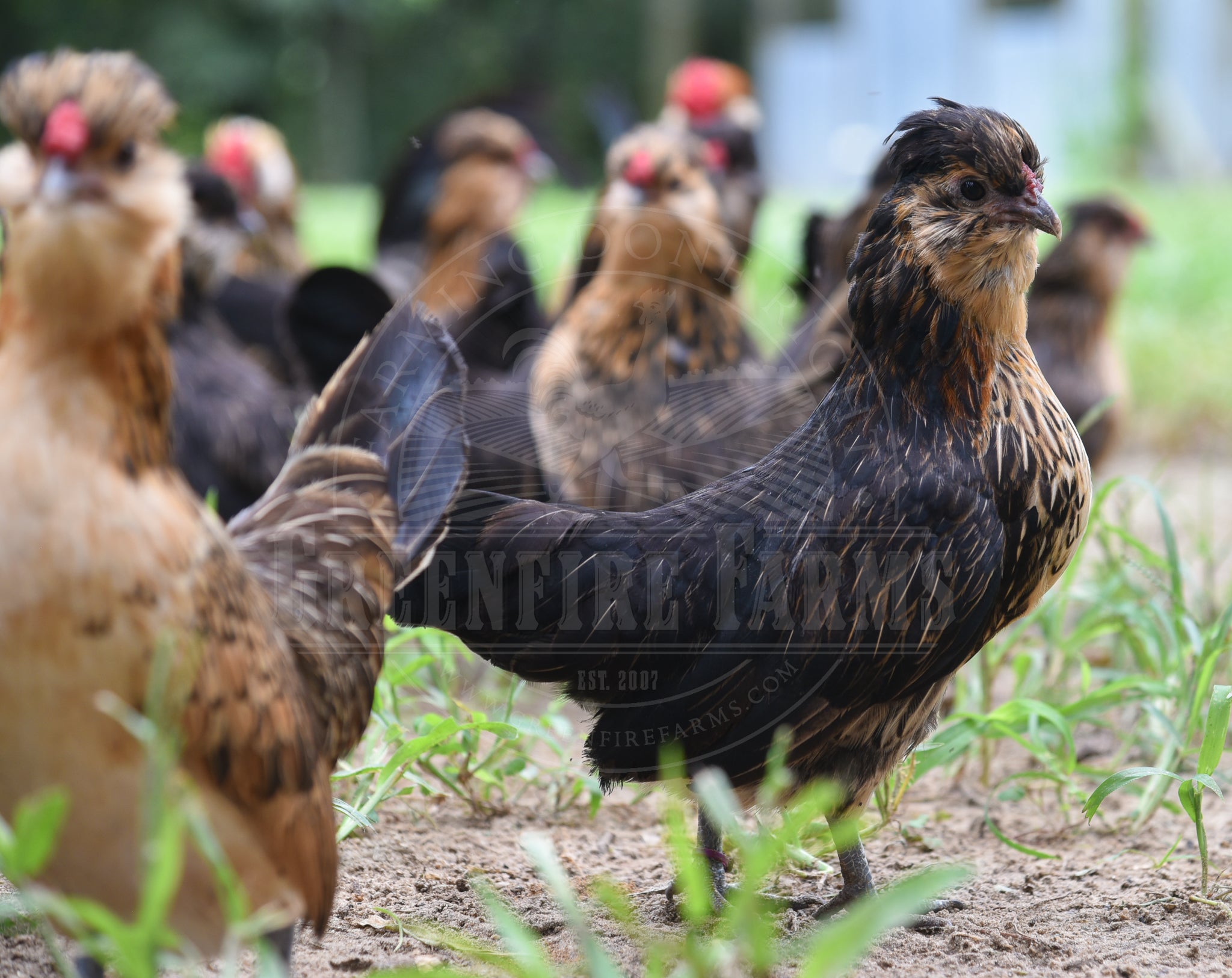
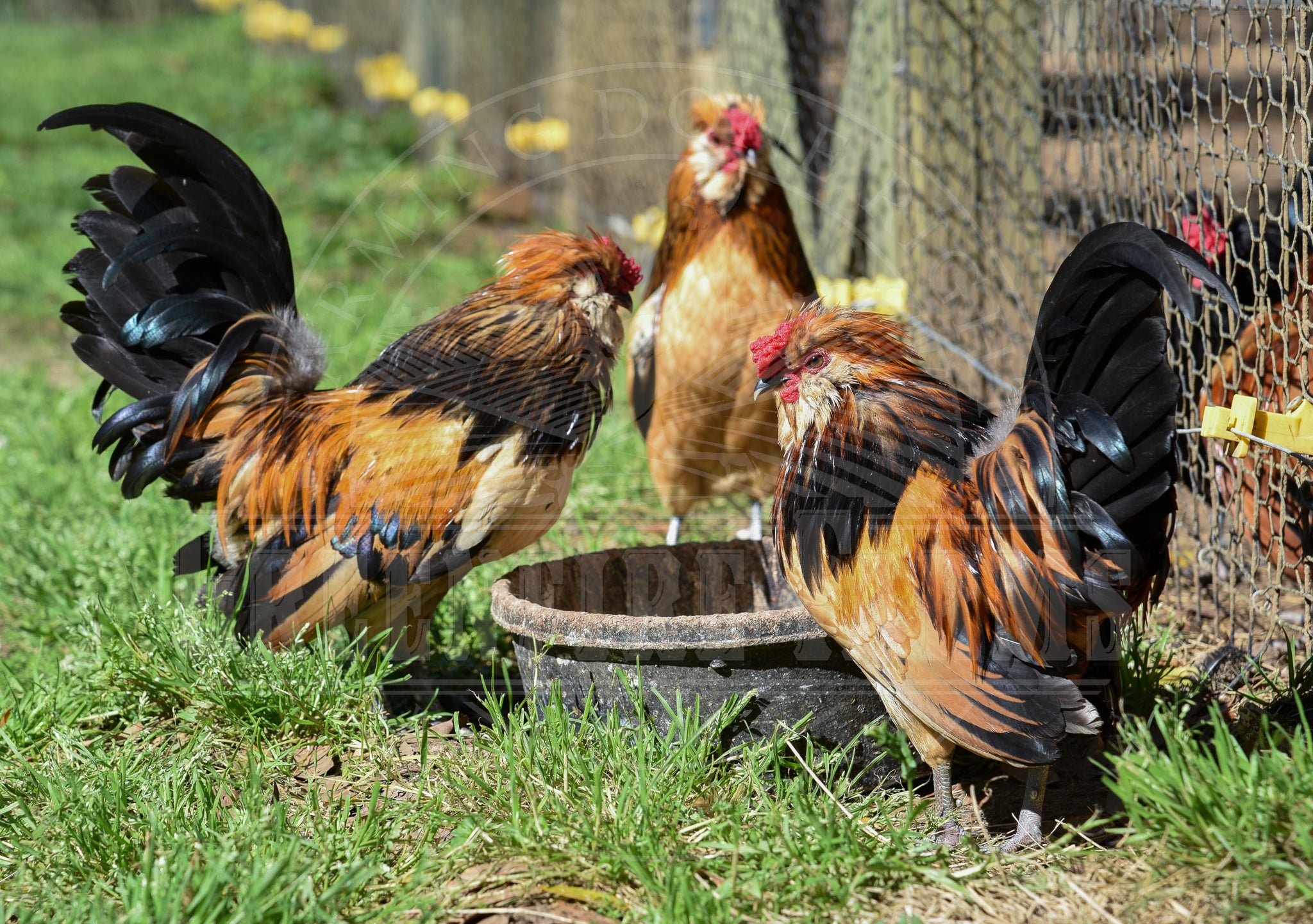
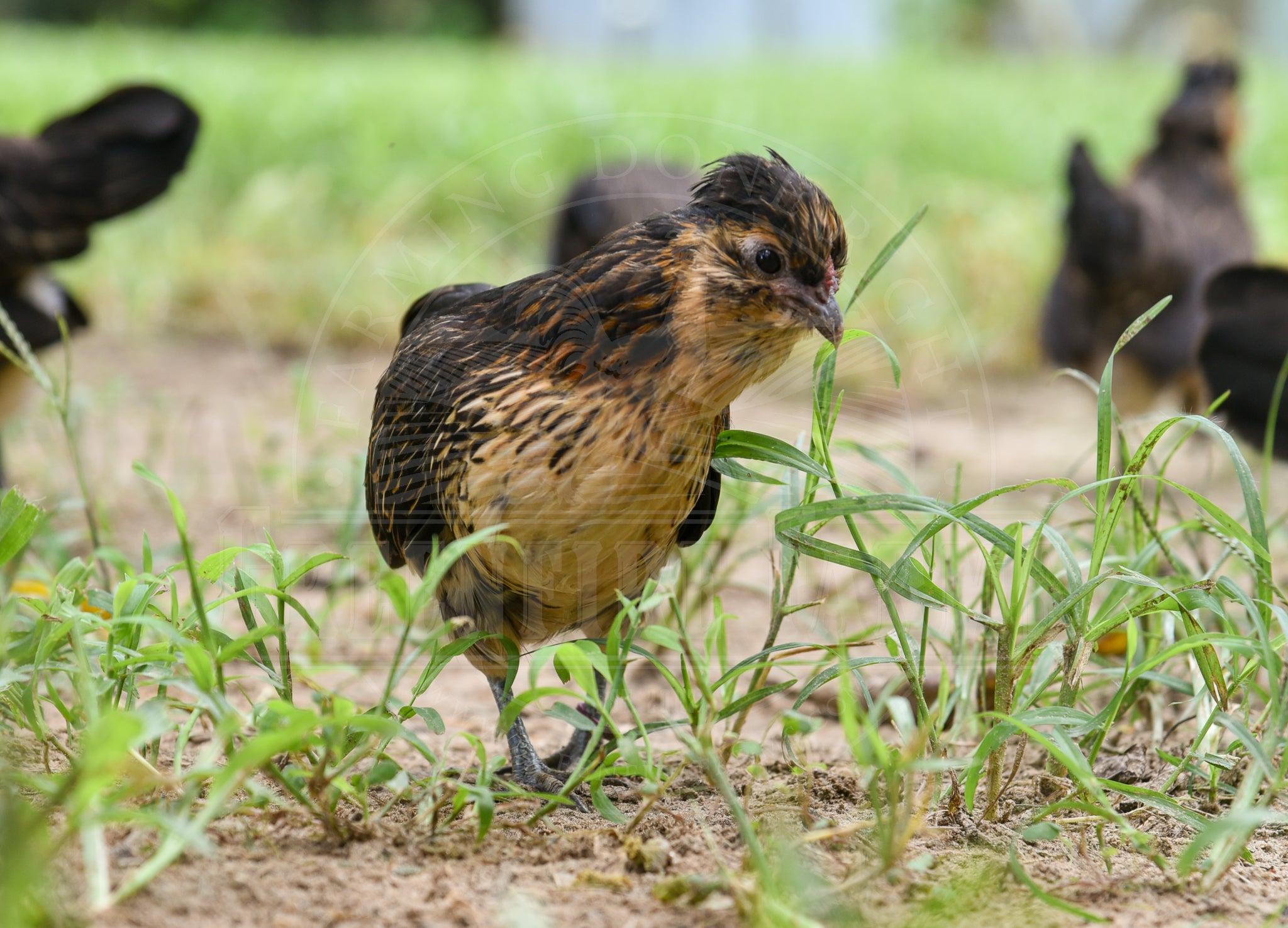
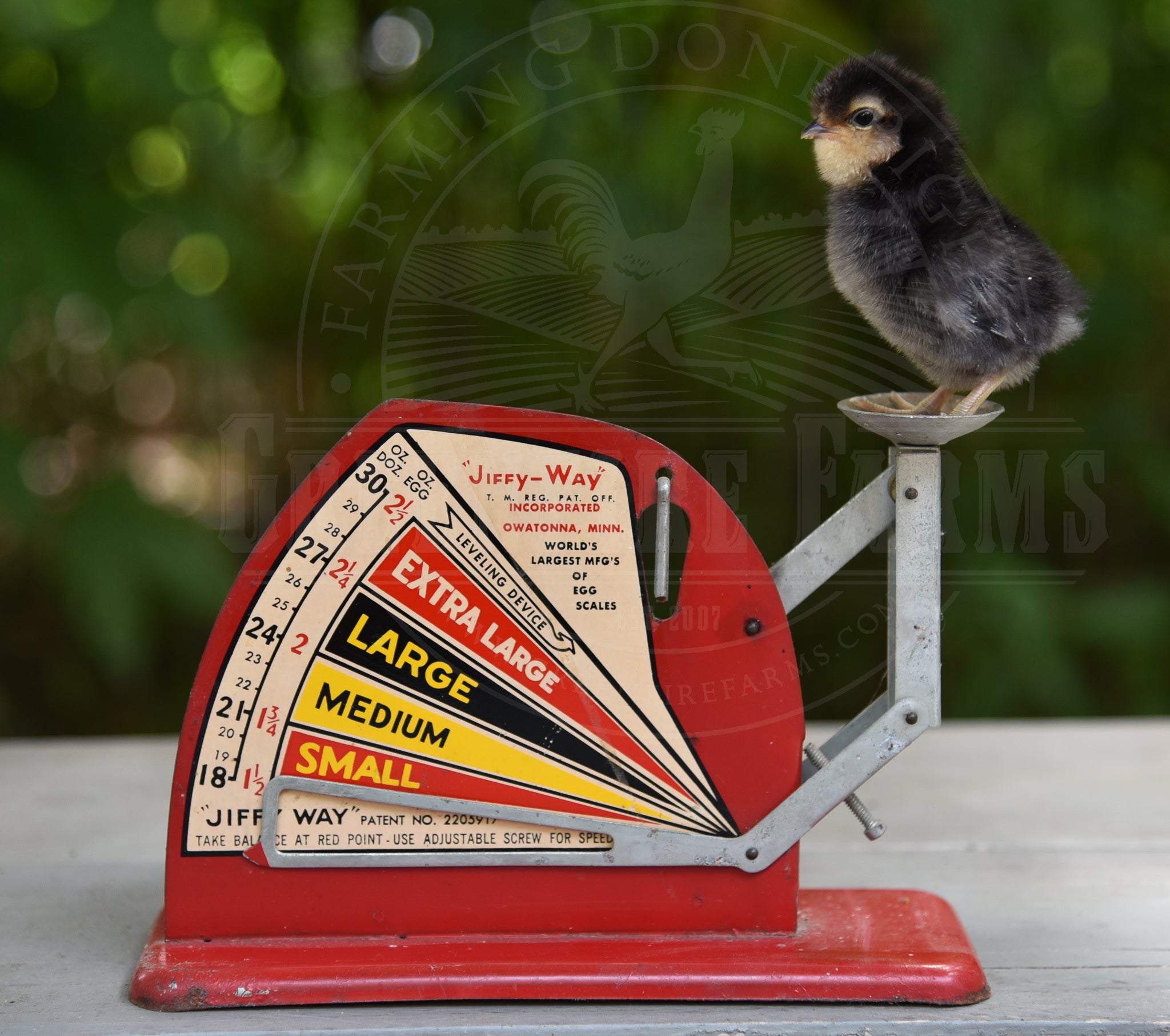
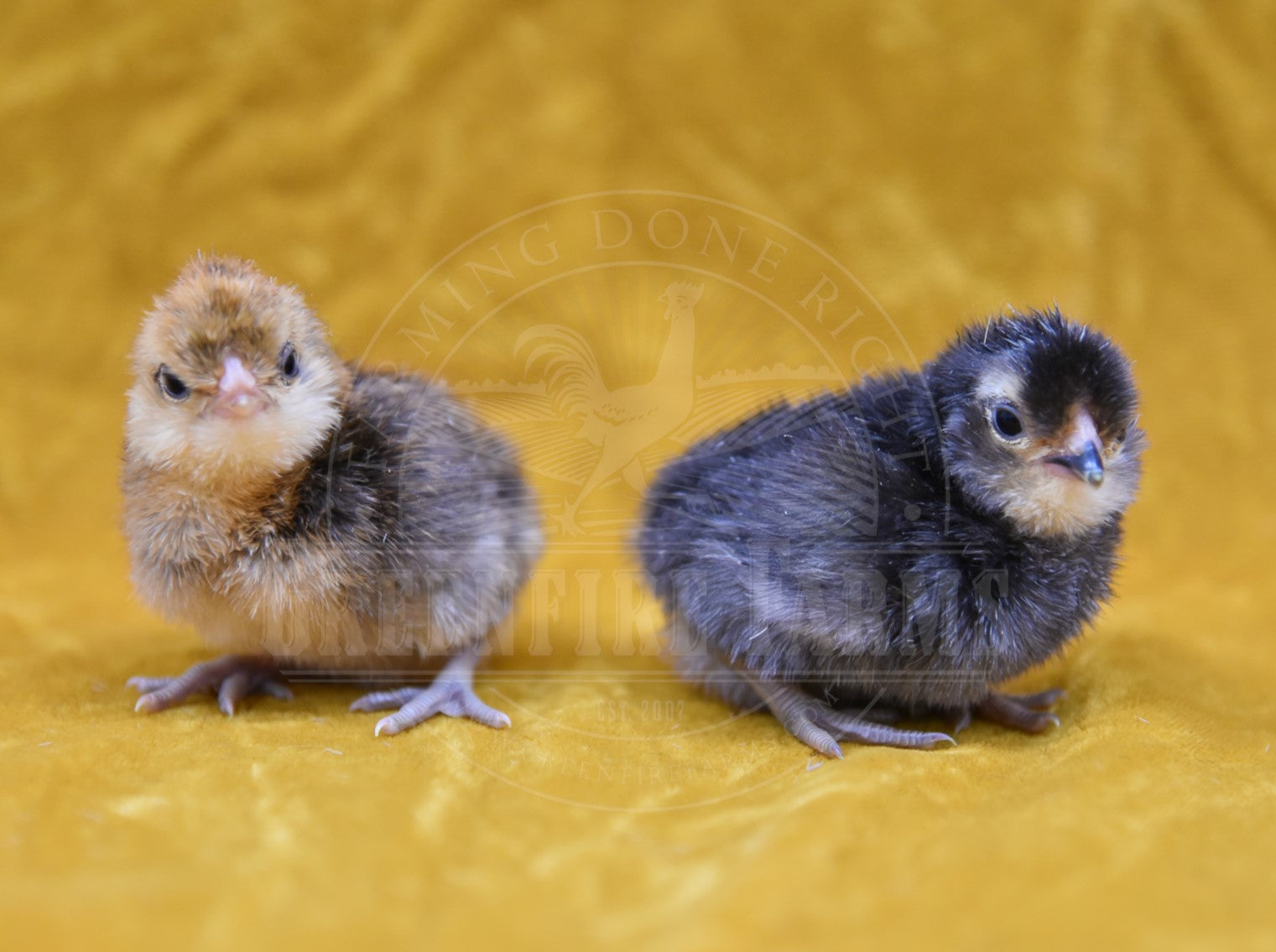
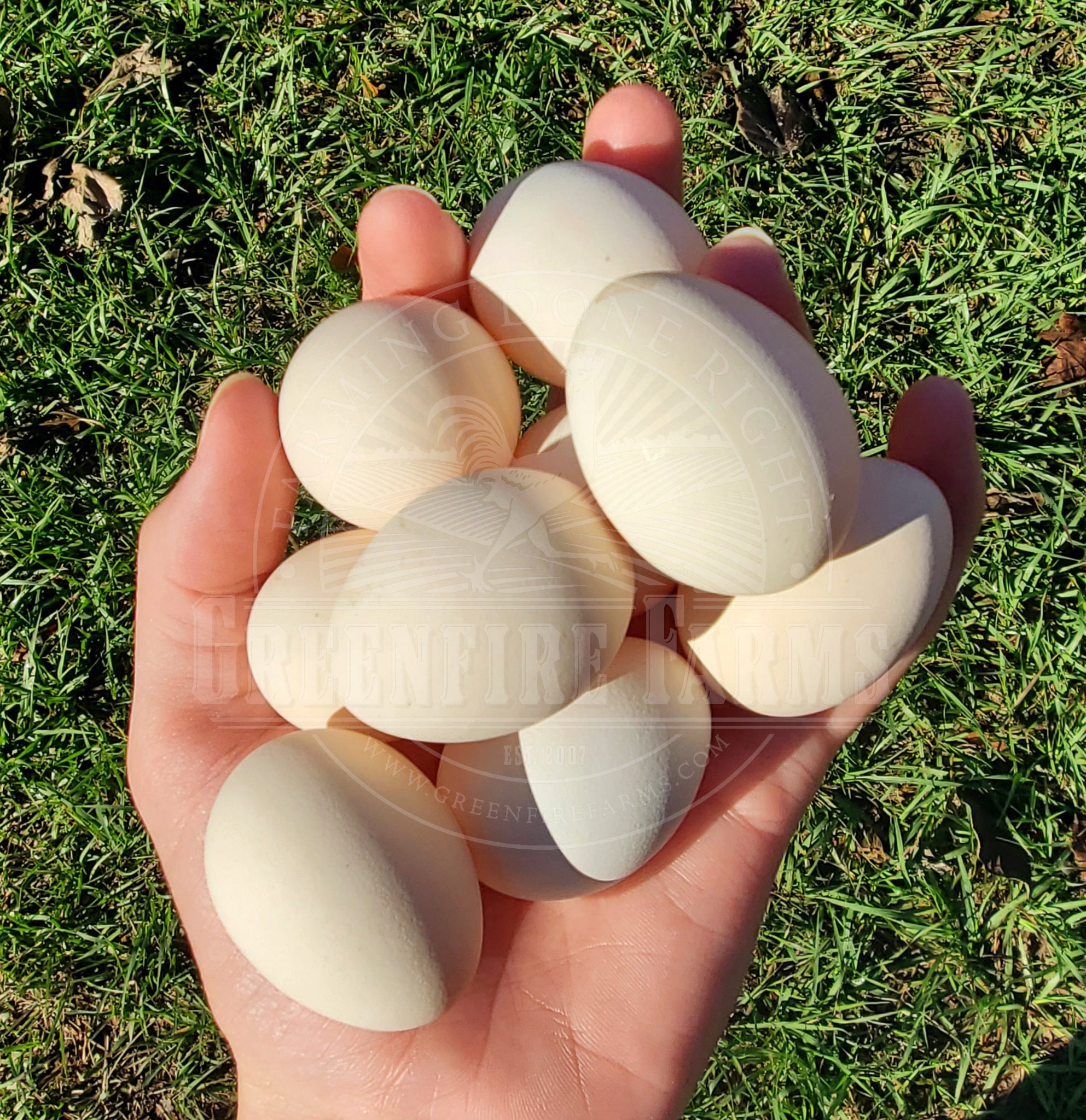
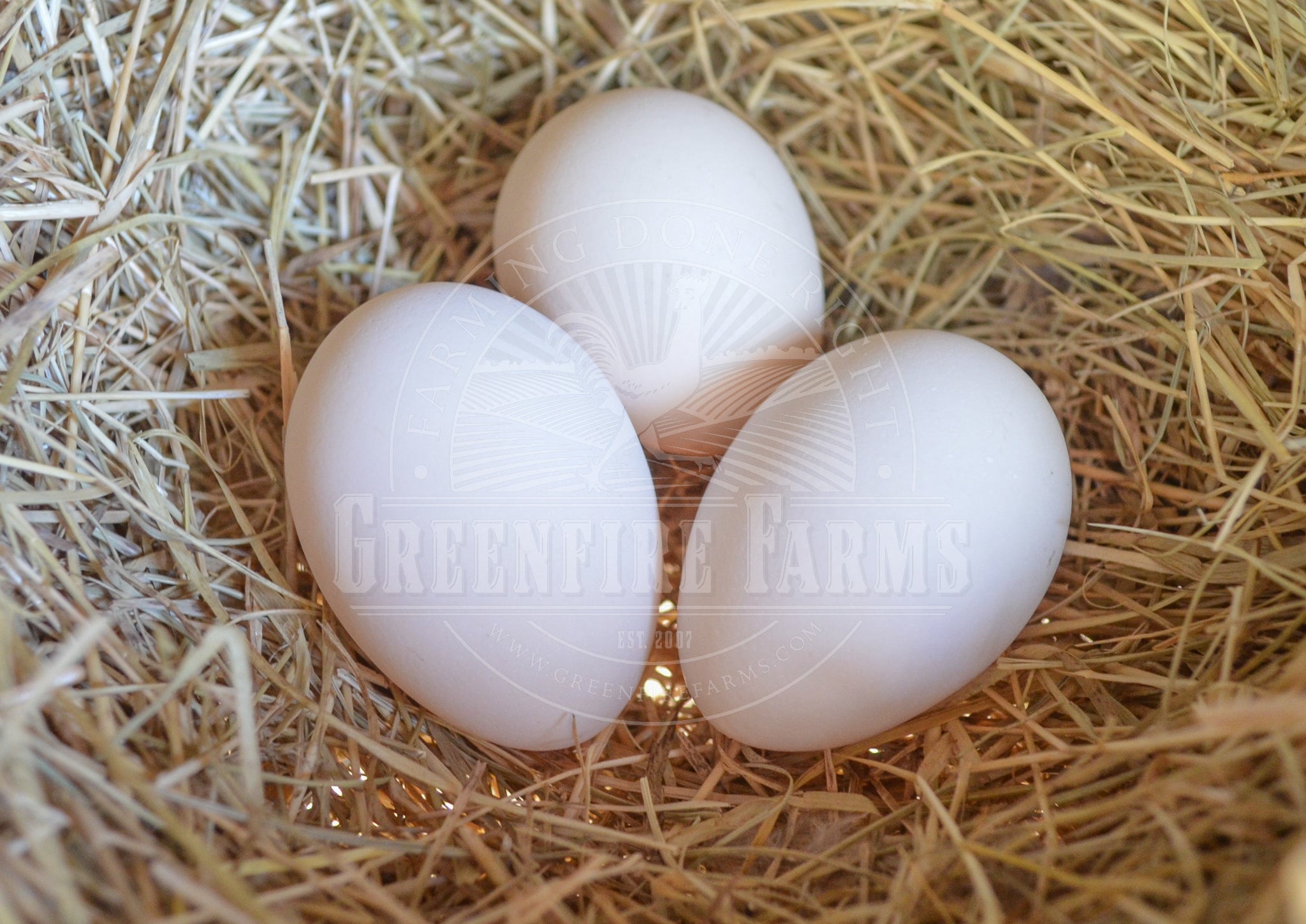
The Barbu de Watermael, developed in the early 1900s in Watermael-Boitsfort, is a mysterious and charming Belgian bantam whose exact ancestry—kept secret by its creator, Antoine Dresse—remains unknown, though the Barbu d’Anvers is believed to be part of its foundation. Recognized in the U.S. as the “Watermaal,” it appears in several color varieties and is known for its striking features, including a spined rose comb, crest, and beard. Small but surprisingly hardy, hens weigh around 1 pound and lay 100-120 small white eggs per year, while roosters reach about 1.5 pounds and integrate easily into flocks, though they need protection from larger predators. These curious, active birds aren’t heavy layers but excel as broody, attentive mothers, and their elegant posture, clean grey legs, and lively personalities make them a delightful addition to any poultry collection.
Breed History
Appearance and Behavior
Breed Standard
Hatching Eggs
Breed defects or issues
Notes
Breed Availability
|
Aug 04, 2026
|
Aug 11, 2026
|
Aug 18, 2026
|
Aug 25, 2026
|
Sep 01, 2026
|
Sep 08, 2026
|
Sep 15, 2026
|
Sep 22, 2026
|
Sep 29, 2026
|
Barbu de Watermael
Breed History
Appearance and Behavior
Breed Standard
Hatching Eggs
Breed defects or issues
Notes
More Details


About
The Barbu de Watermael, developed in the early 1900s in Watermael-Boitsfort, is a mysterious and charming Belgian bantam whose exact ancestry—kept secret by its creator, Antoine Dresse—remains unknown, though the Barbu d’Anvers is believed to be part of its foundation. Recognized in the U.S. as the “Watermaal,” it appears in several color varieties and is known for its striking features, including a spined rose comb, crest, and beard. Small but surprisingly hardy, hens weigh around 1 pound and lay 100-120 small white eggs per year, while roosters reach about 1.5 pounds and integrate easily into flocks, though they need protection from larger predators. These curious, active birds aren’t heavy layers but excel as broody, attentive mothers, and their elegant posture, clean grey legs, and lively personalities make them a delightful addition to any poultry collection.
Breed History
Appearance and Behavior
Breed Standard
Hatching Eggs
Breed defects or issues
Notes
Breed Availability
|
Aug 04, 2026
|
Aug 11, 2026
|
Aug 18, 2026
|
Aug 25, 2026
|
Sep 01, 2026
|
Sep 08, 2026
|
Sep 15, 2026
|
Sep 22, 2026
|
Sep 29, 2026
|
You may also like