




About
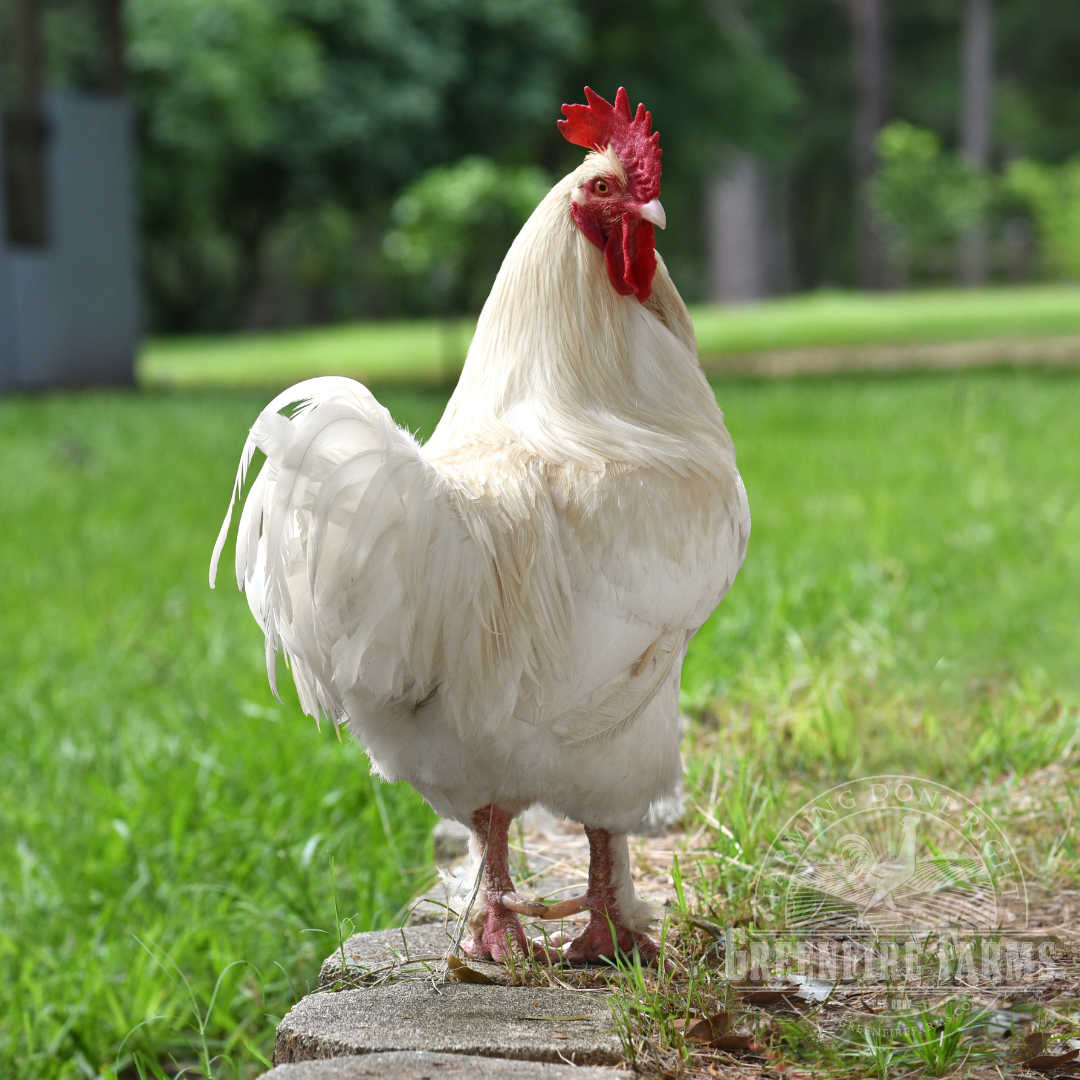
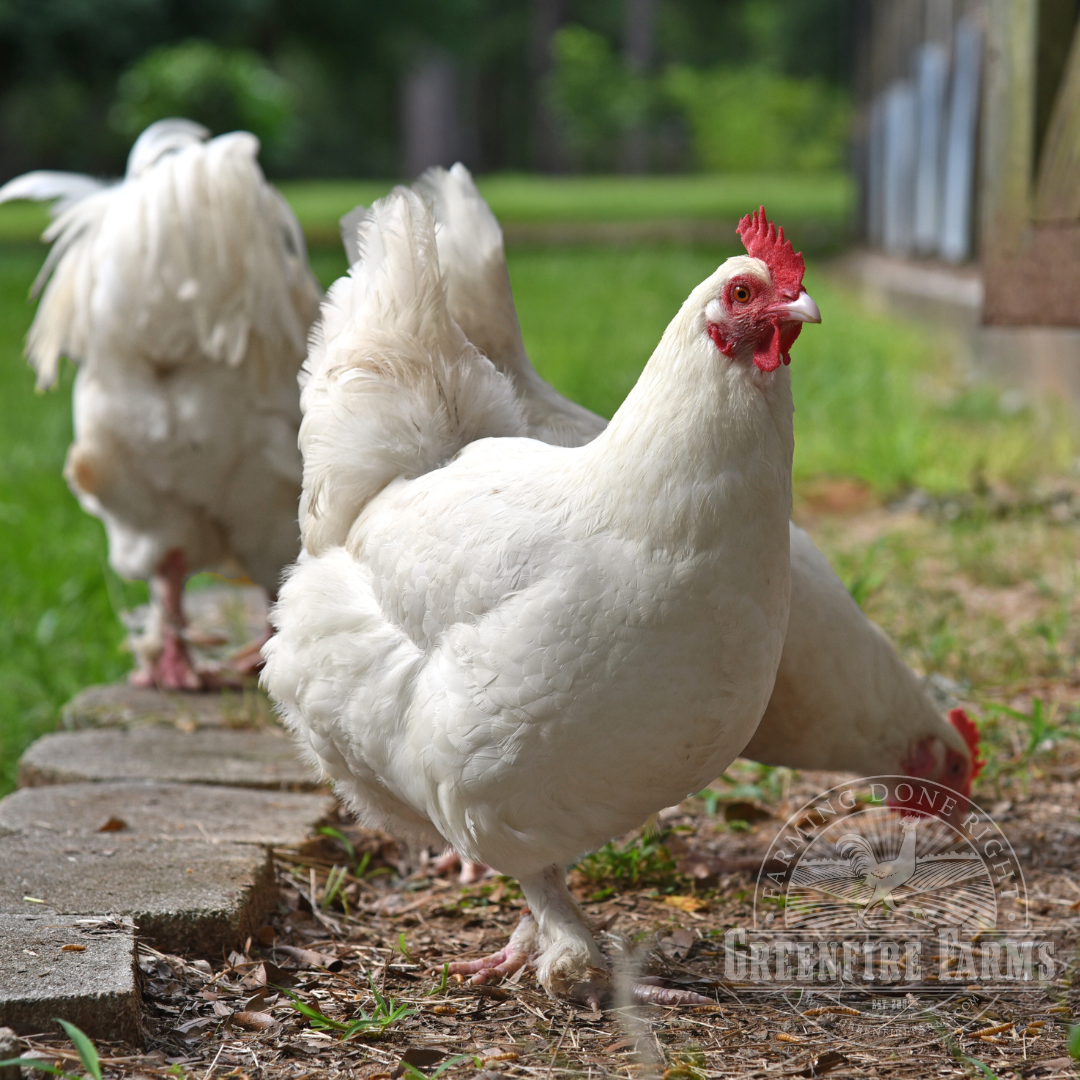
Marans, always spelled with an “s,” originated in 19th century France near the port town of Marans, where seafarers’ birds intermingled to create the foundation of the breed, which was later refined by several European varieties to produce the Marandaise fowl that eventually evolved into today’s Marans. Celebrated for their rich, dark red eggs, the breed was standardized in the 1920s, survived near extinction after World War II thanks to French preservation efforts, and continued to flourish through the dedication of amateur breeders, ultimately spreading to England and the United States, where the Black Copper variety joined the APA in 2011 and the White Marans followed in 2014. White Marans, elegant birds with pure white plumage, pinkish white legs, and calm, friendly temperaments, remain excellent foragers, reliable mothers, and easy keepers with an ideal rooster to hen ratio of 1:10. Their thick, darkly pigmented eggshells can complicate candling and slow hatching, making extended incubation to day 22 or 23 beneficial, and careful selection is needed to avoid defects such as weak leg feathering, crooked toes, or fused toes in breeding programs.
Breed History
Appearance and Behavior
Breed Standard
Hatching Eggs
Breed defects or issues
Notes
Breed Availability
|
Mar 03, 2026
|
Mar 10, 2026
|
Mar 17, 2026
|
Mar 24, 2026
|
Mar 31, 2026
|
Apr 07, 2026
|
Apr 14, 2026
|
Apr 21, 2026
|
May 05, 2026
|
May 12, 2026
|
May 19, 2026
|
May 26, 2026
|
Jun 02, 2026
|
Jun 09, 2026
|
Jun 16, 2026
|
Jun 23, 2026
|
Jun 30, 2026
|
Marans
Breed History
Appearance and Behavior
Breed Standard
Hatching Eggs
Breed defects or issues
Notes
More Detail


About
Marans, always spelled with an “s,” originated in 19th century France near the port town of Marans, where seafarers’ birds intermingled to create the foundation of the breed, which was later refined by several European varieties to produce the Marandaise fowl that eventually evolved into today’s Marans. Celebrated for their rich, dark red eggs, the breed was standardized in the 1920s, survived near extinction after World War II thanks to French preservation efforts, and continued to flourish through the dedication of amateur breeders, ultimately spreading to England and the United States, where the Black Copper variety joined the APA in 2011 and the White Marans followed in 2014. White Marans, elegant birds with pure white plumage, pinkish white legs, and calm, friendly temperaments, remain excellent foragers, reliable mothers, and easy keepers with an ideal rooster to hen ratio of 1:10. Their thick, darkly pigmented eggshells can complicate candling and slow hatching, making extended incubation to day 22 or 23 beneficial, and careful selection is needed to avoid defects such as weak leg feathering, crooked toes, or fused toes in breeding programs.
Breed History
Appearance and Behavior
Breed Standard
Hatching Eggs
Breed defects or issues
Notes
Breed Availability
|
Mar 03, 2026
|
Mar 10, 2026
|
Mar 17, 2026
|
Mar 24, 2026
|
Mar 31, 2026
|
Apr 07, 2026
|
Apr 14, 2026
|
Apr 21, 2026
|
May 05, 2026
|
May 12, 2026
|
May 19, 2026
|
May 26, 2026
|
Jun 02, 2026
|
Jun 09, 2026
|
Jun 16, 2026
|
Jun 23, 2026
|
Jun 30, 2026
|