


About
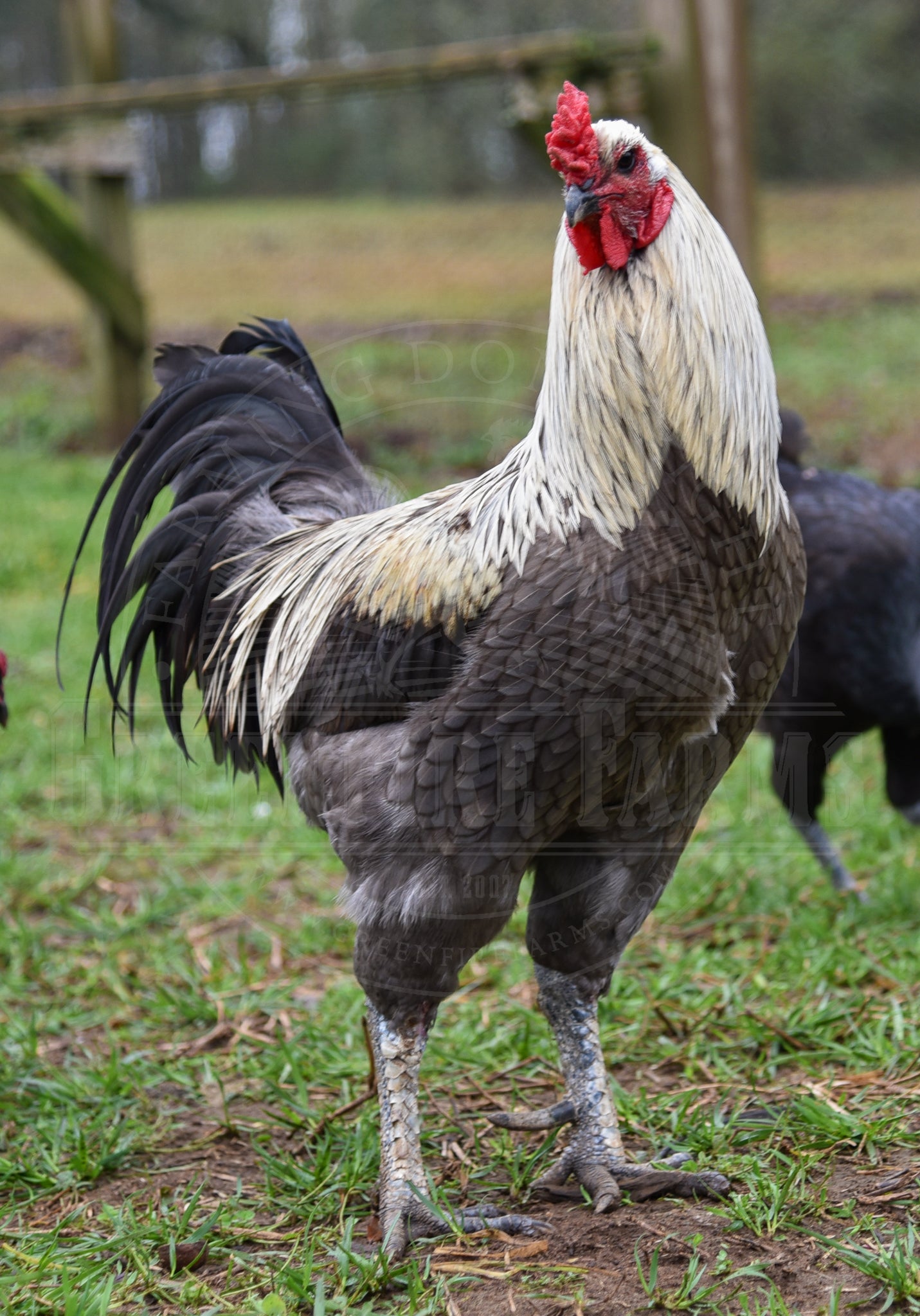
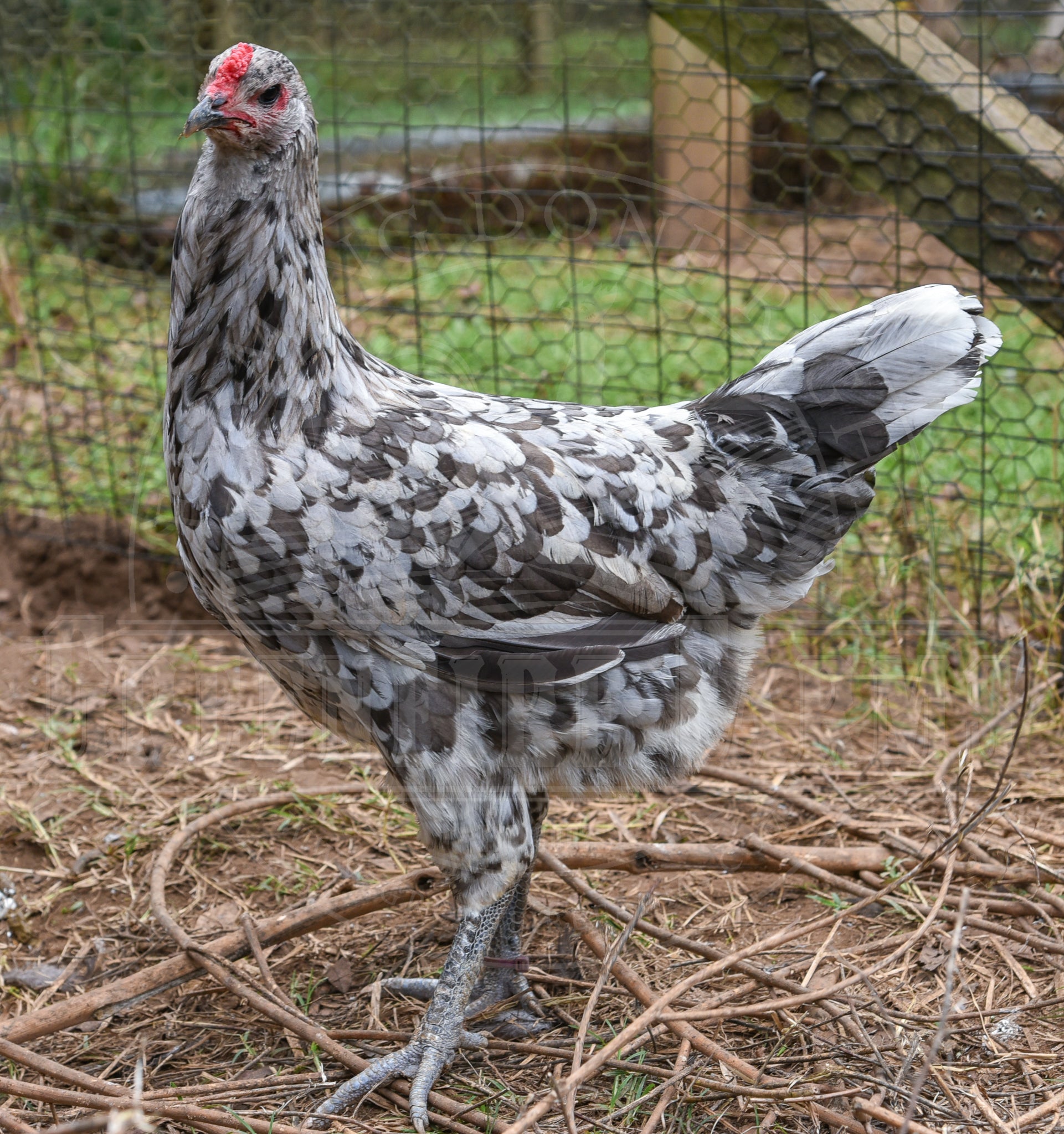
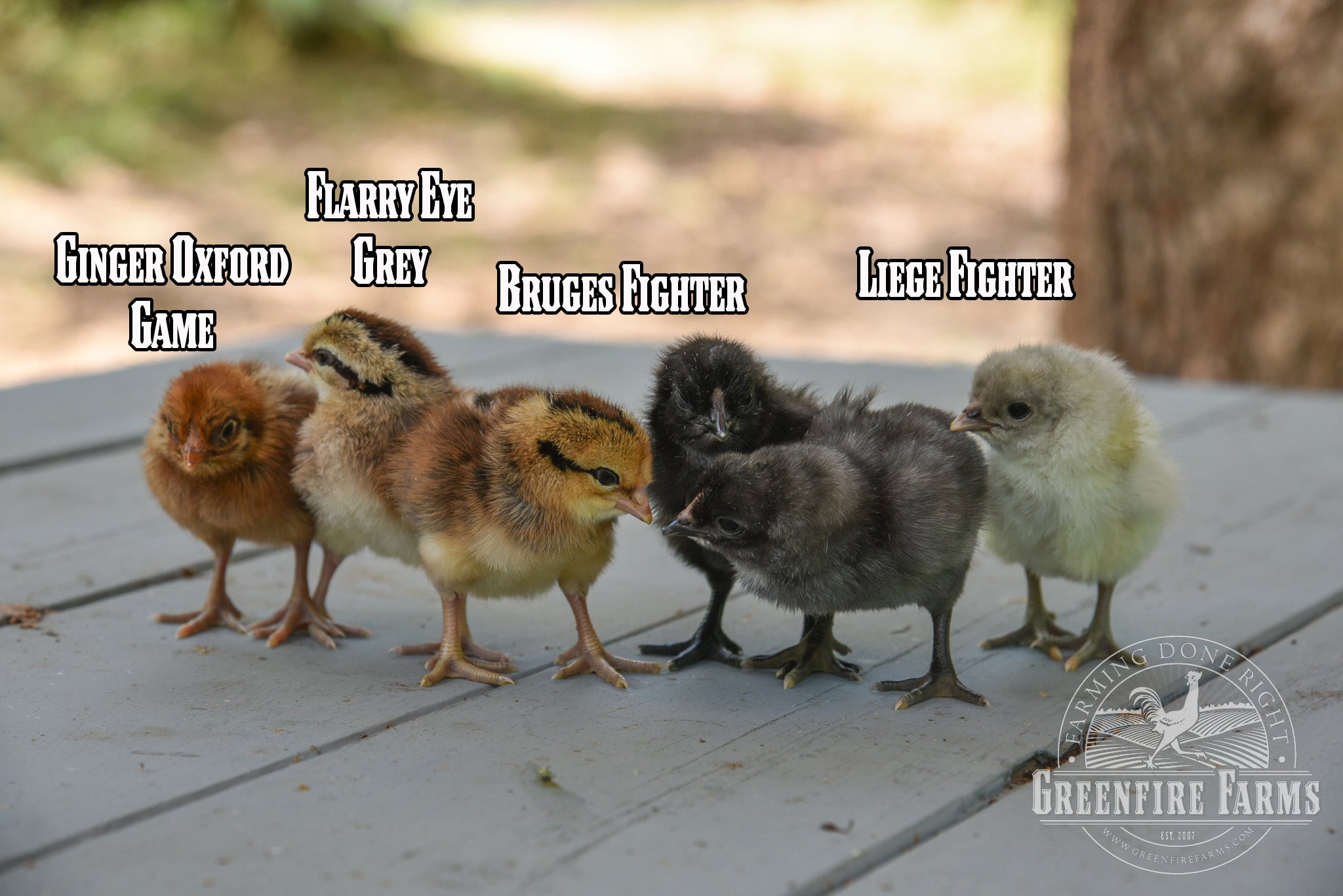
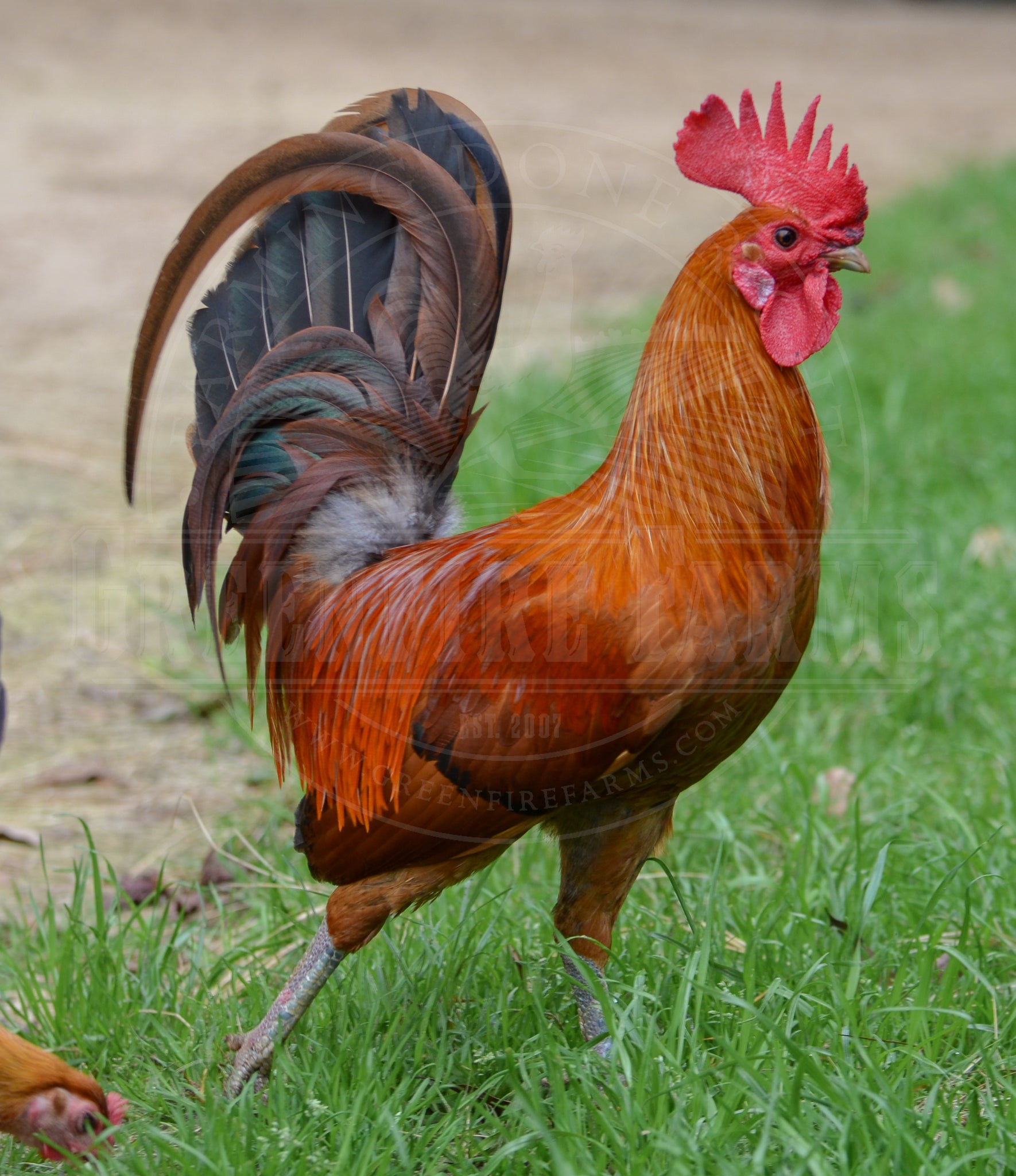
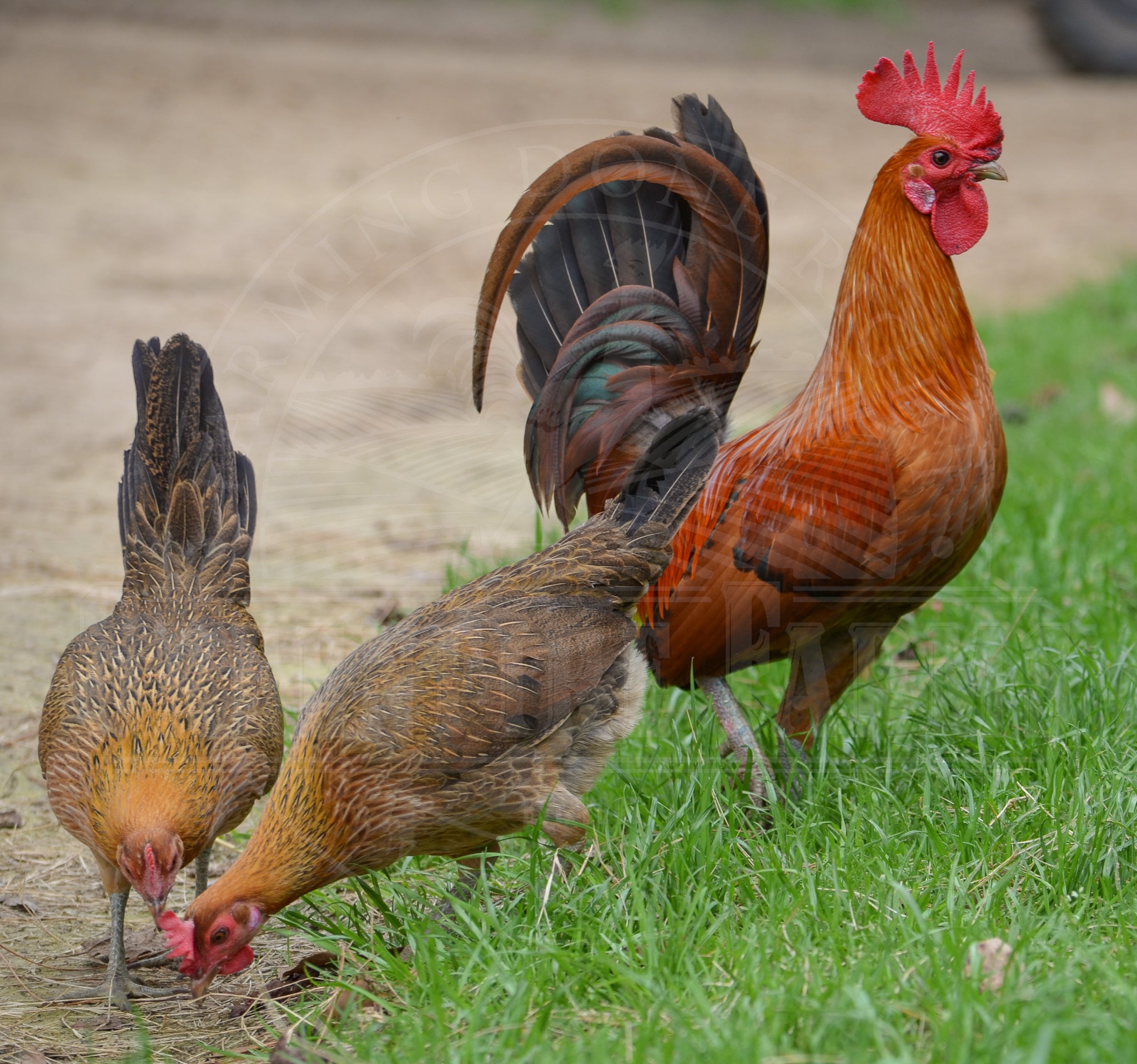
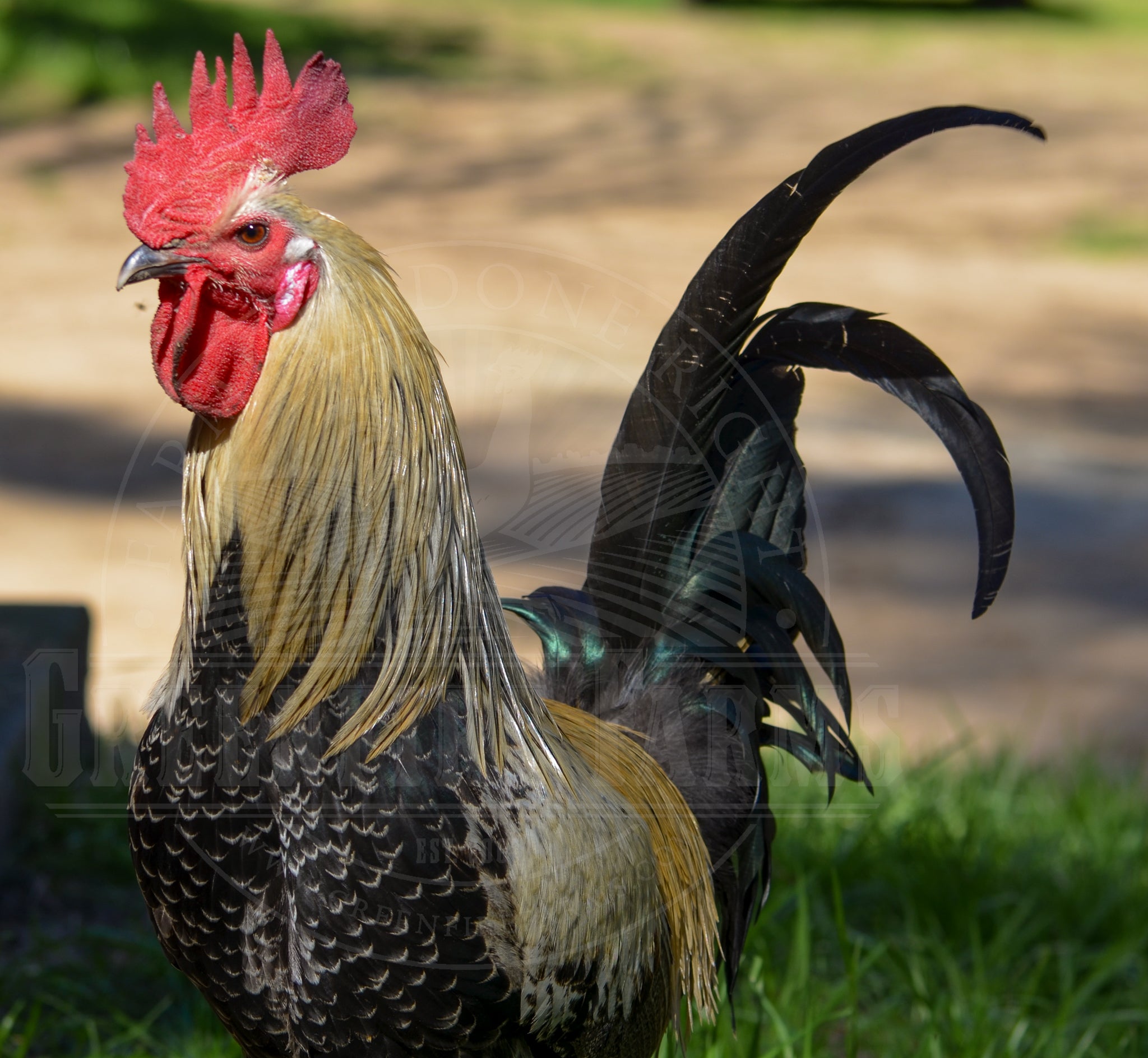
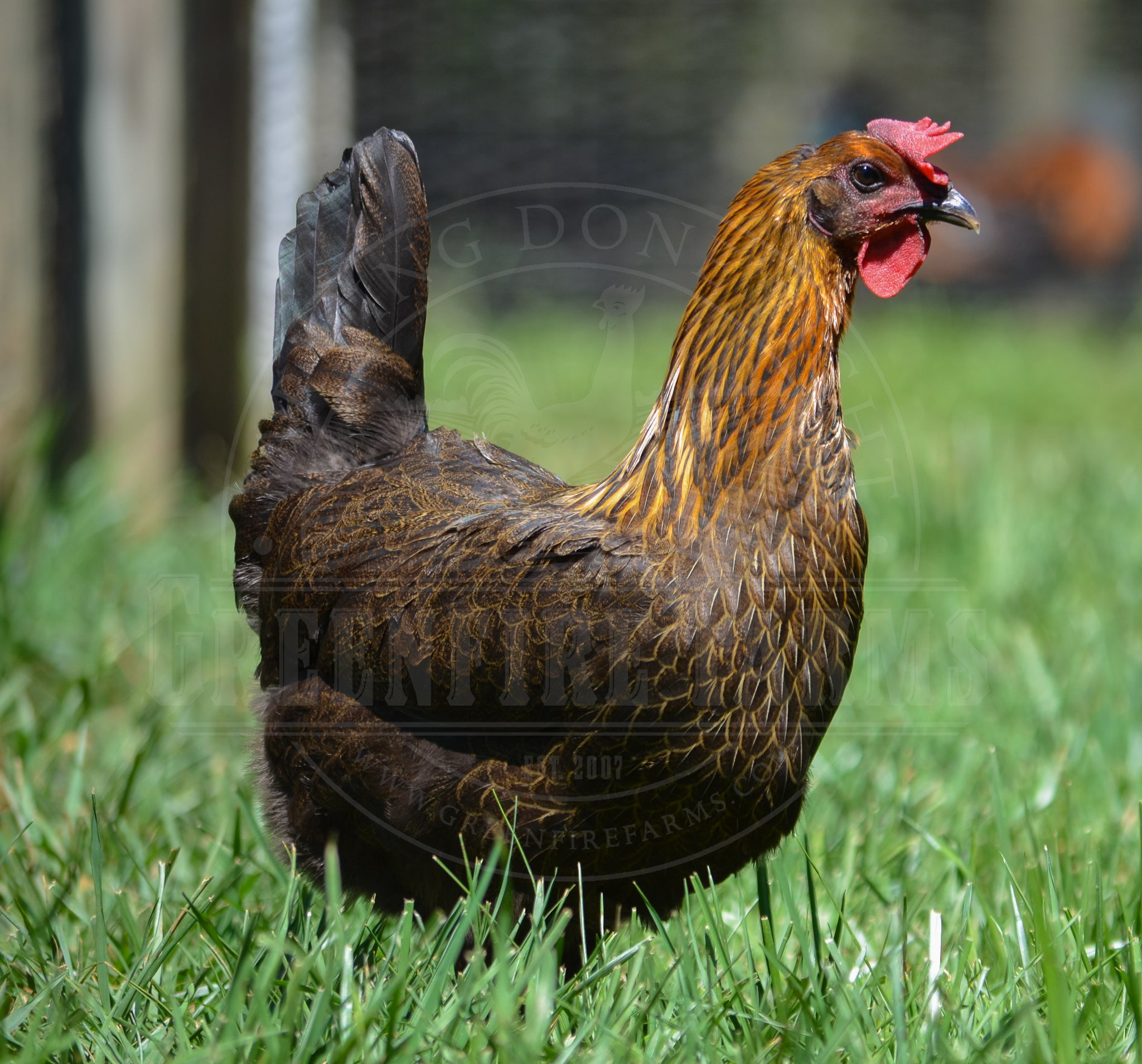
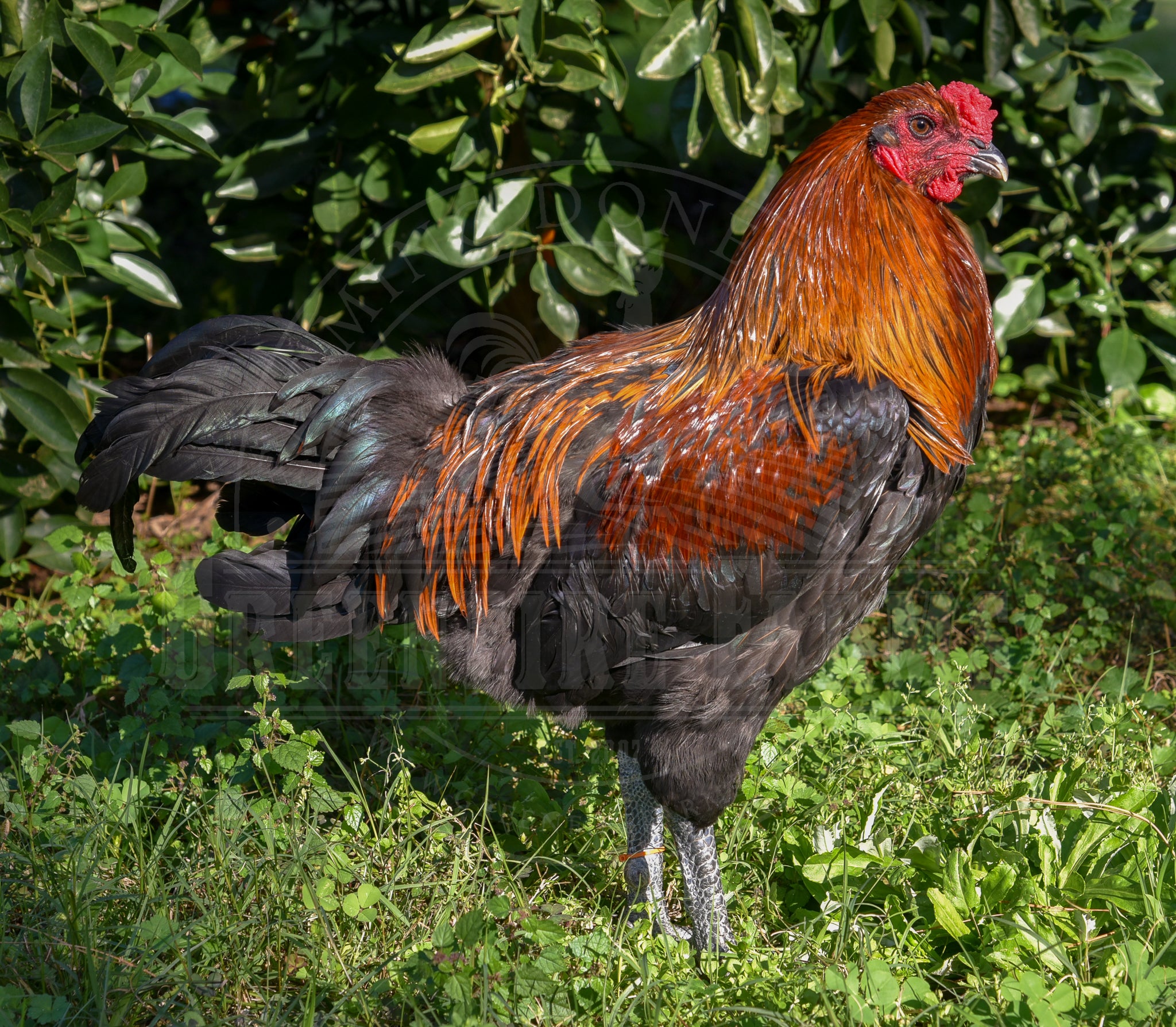
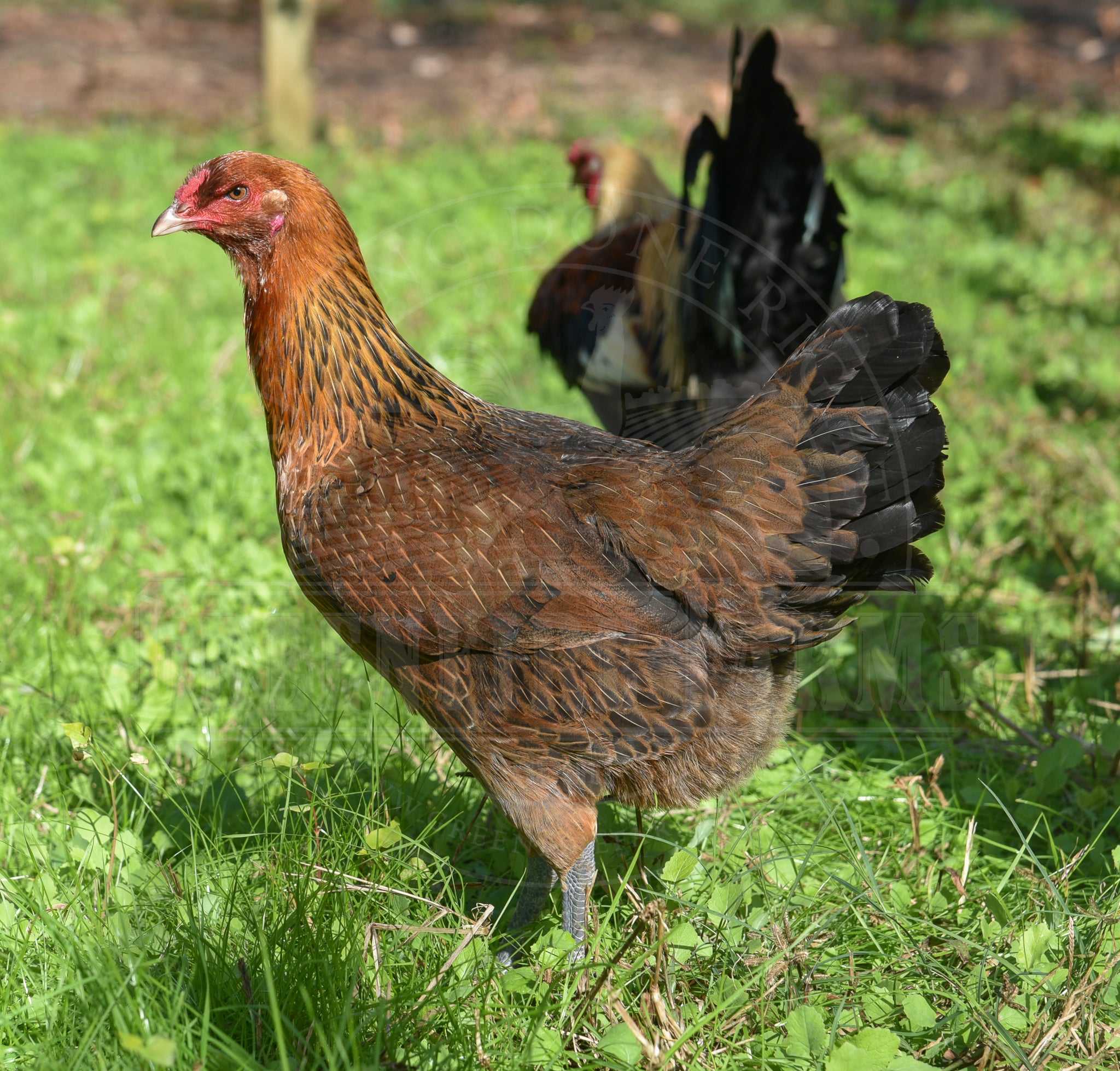
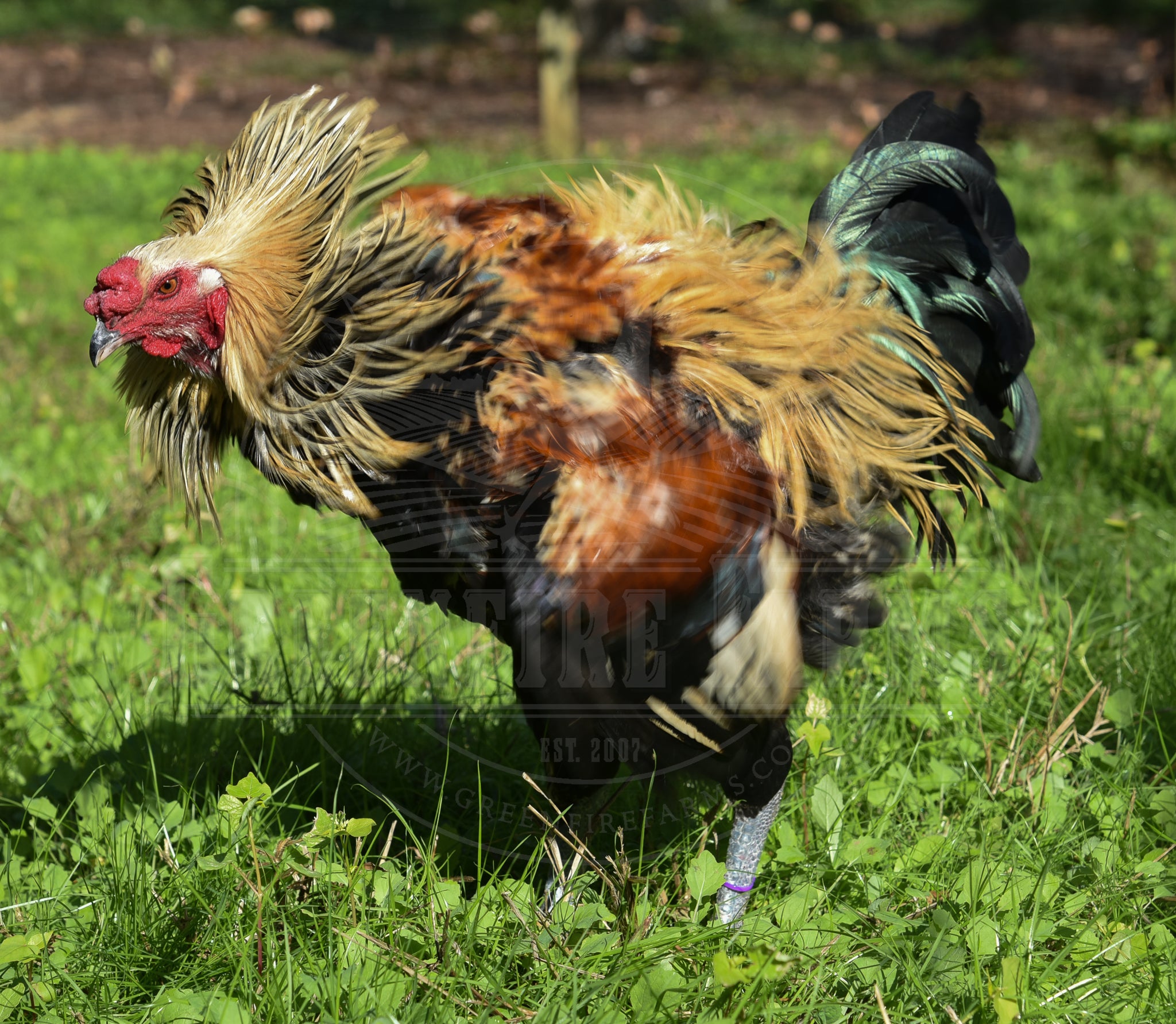
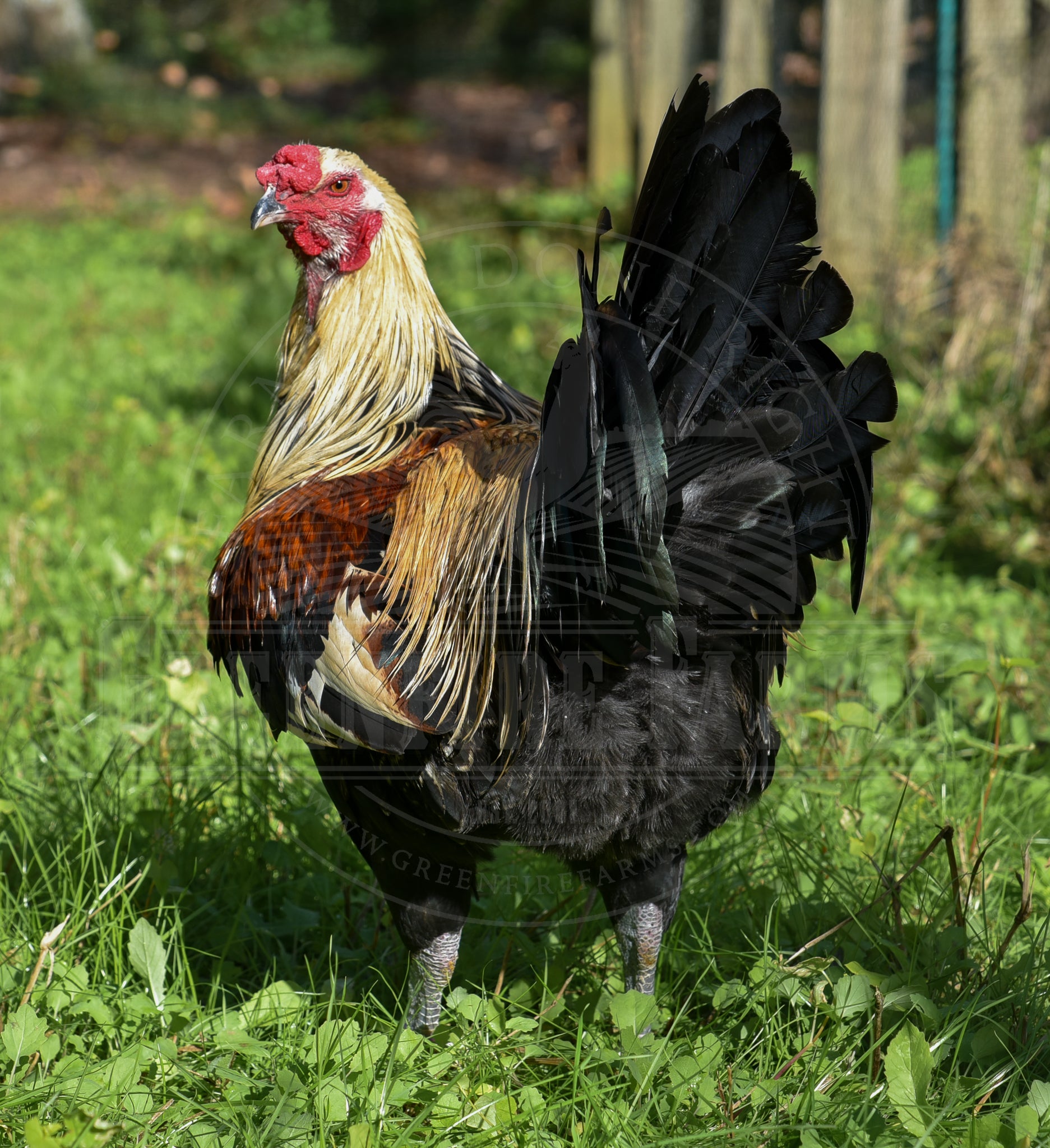
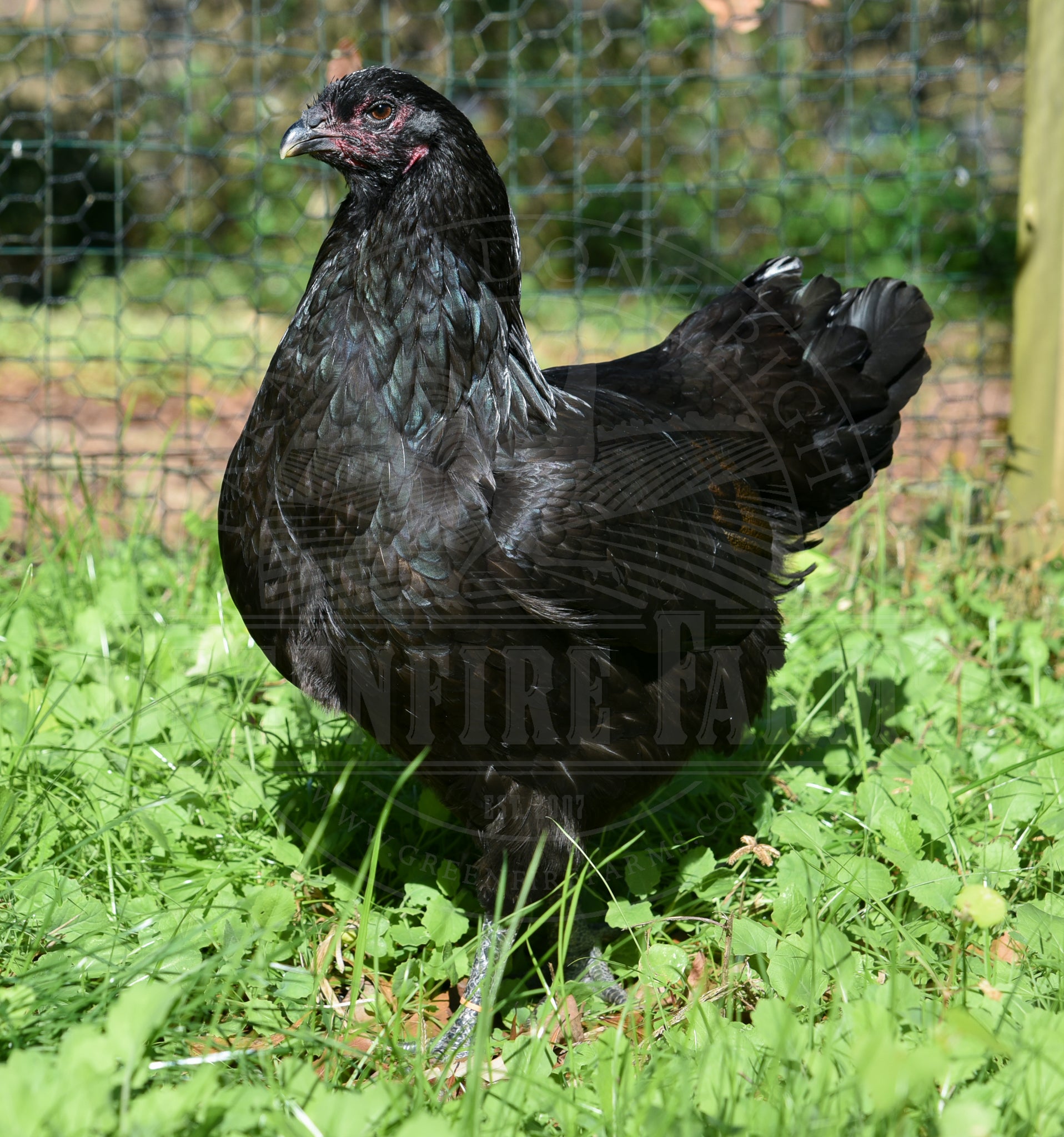
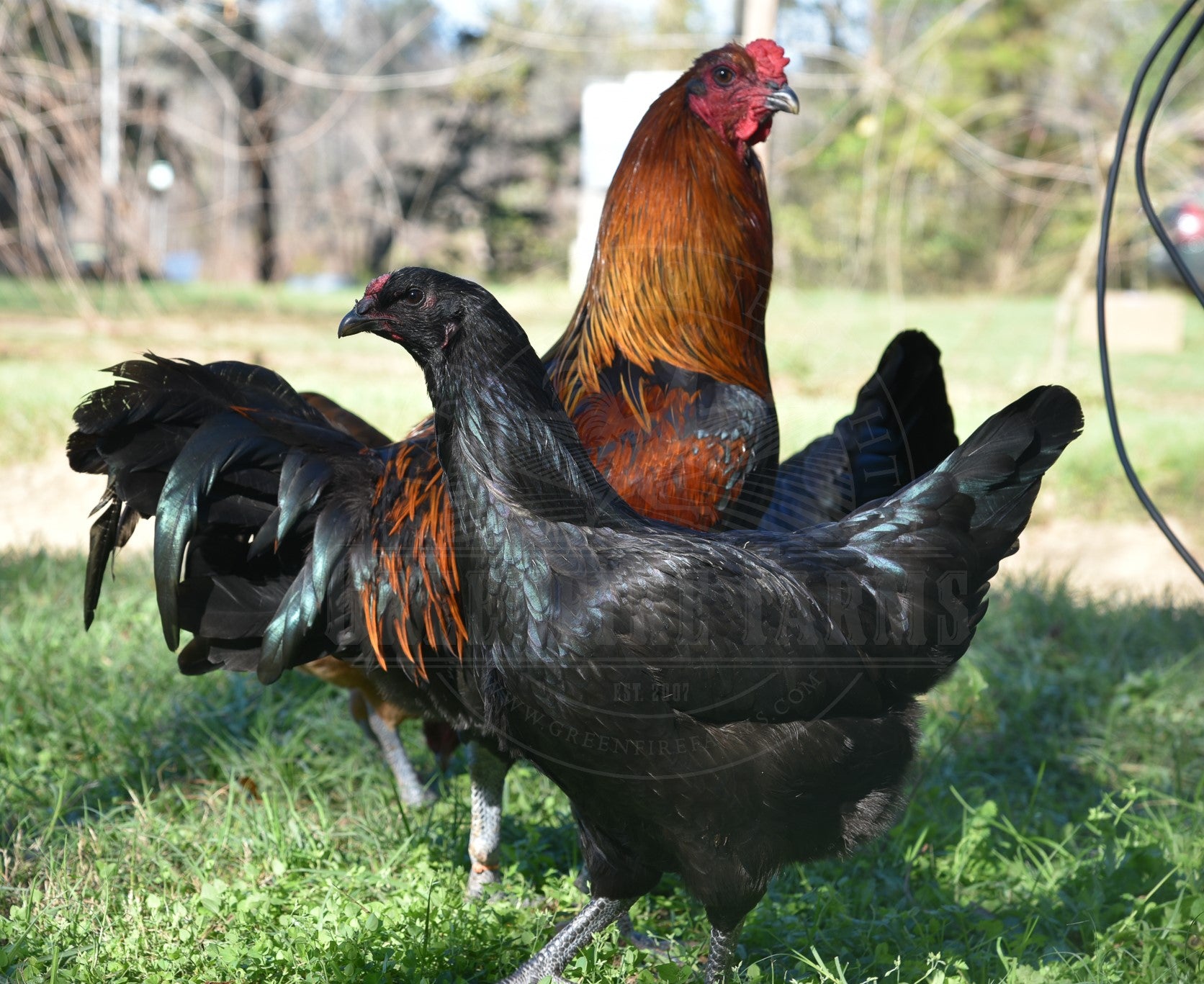
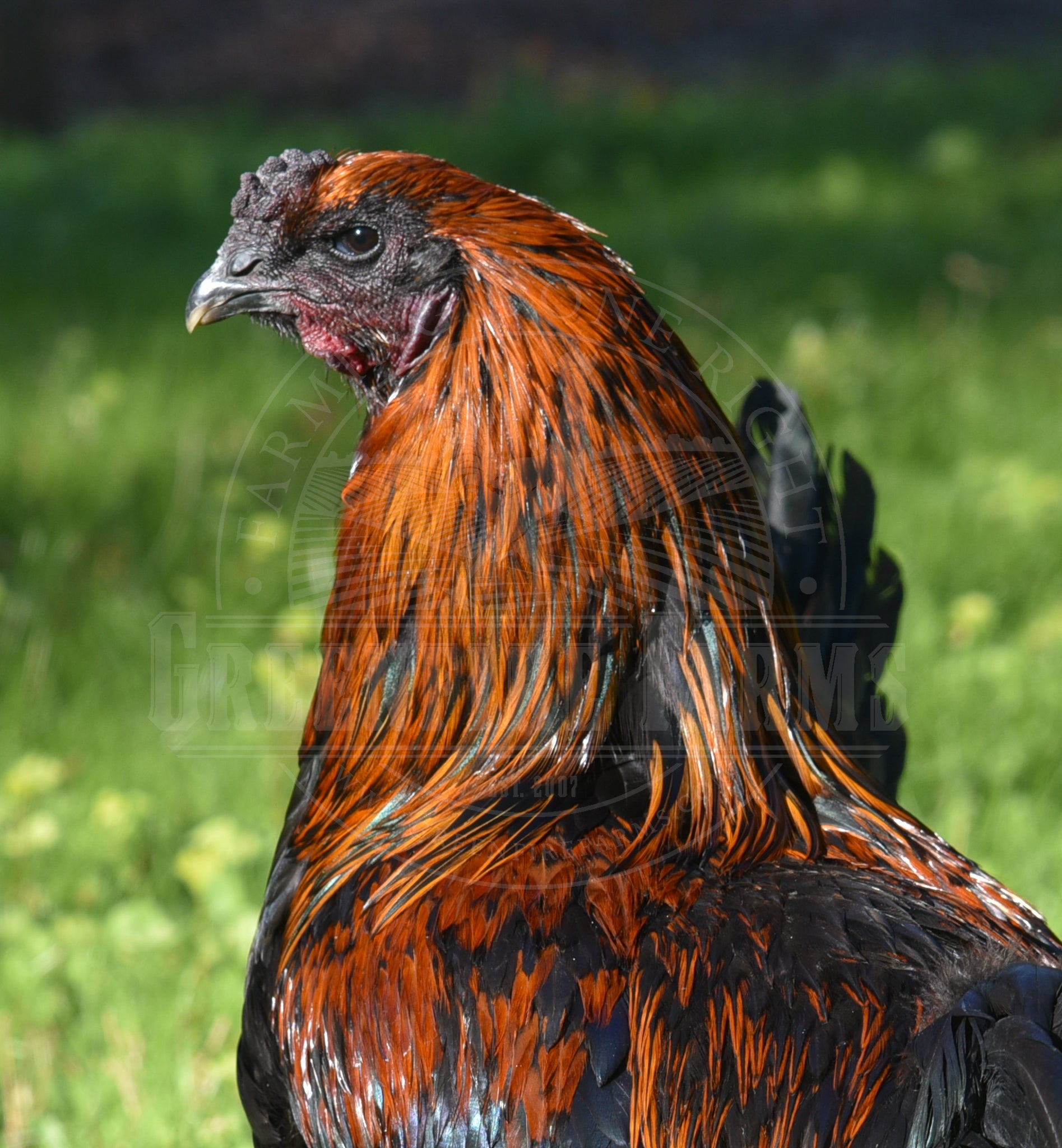
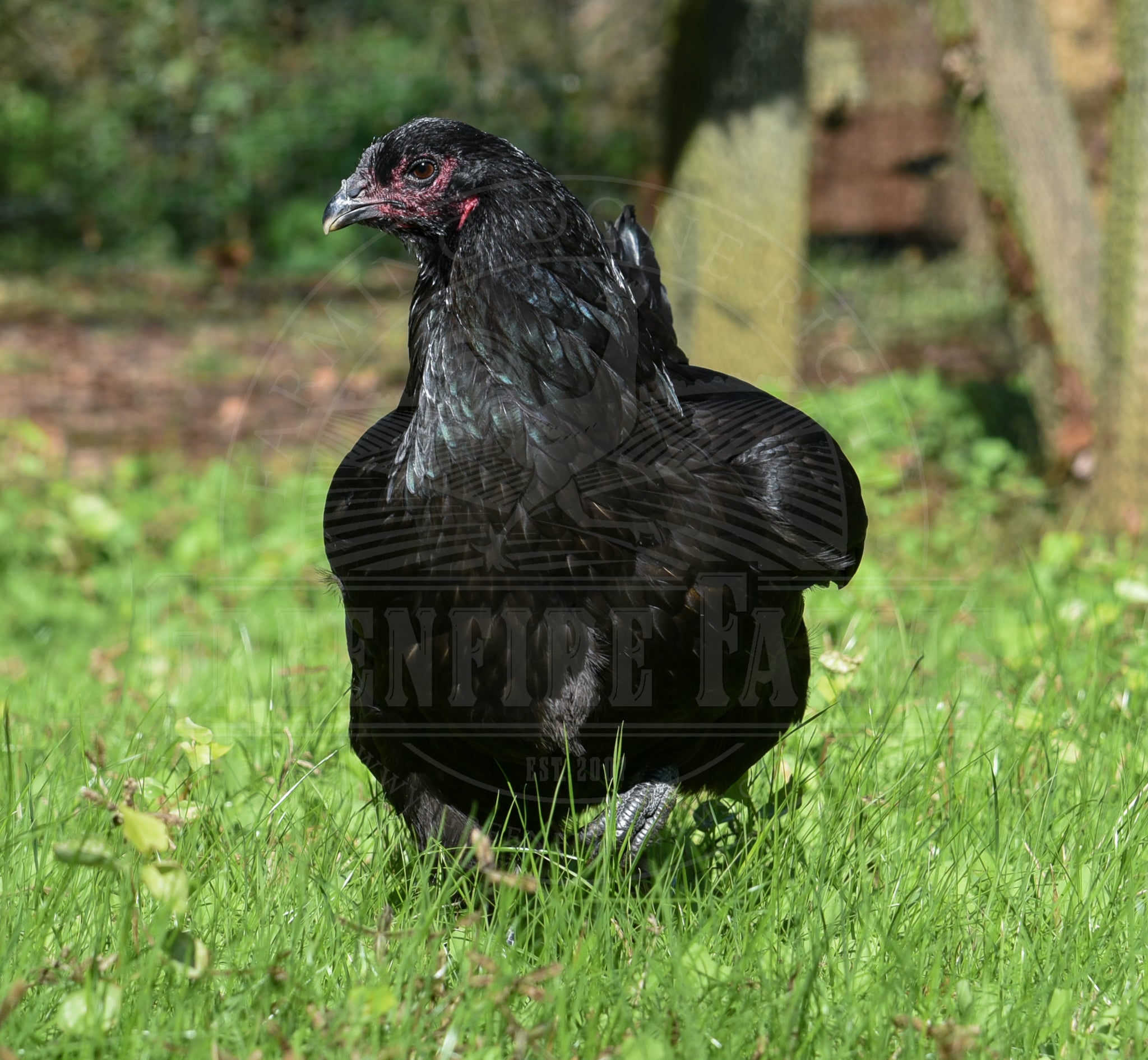
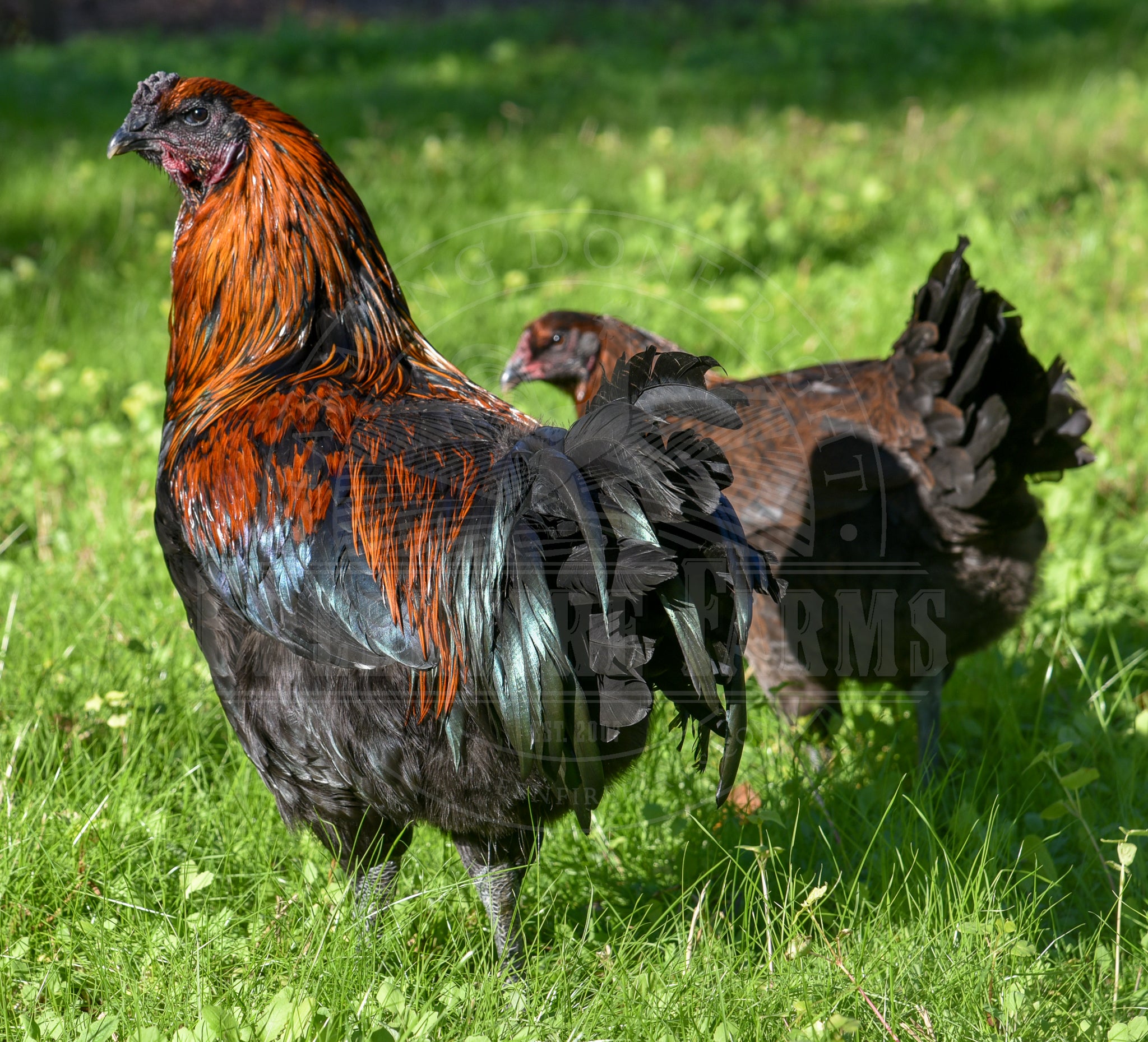
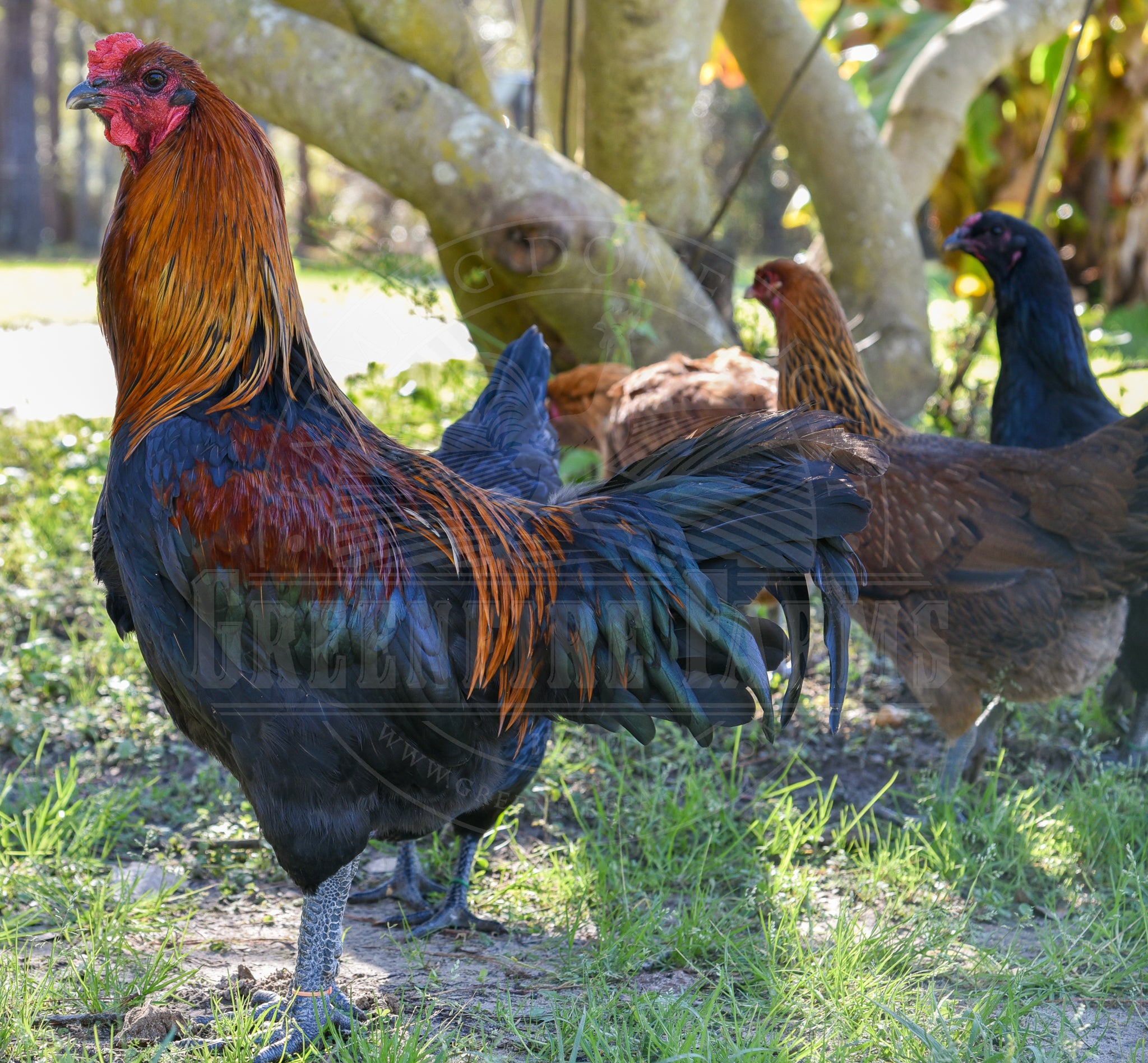
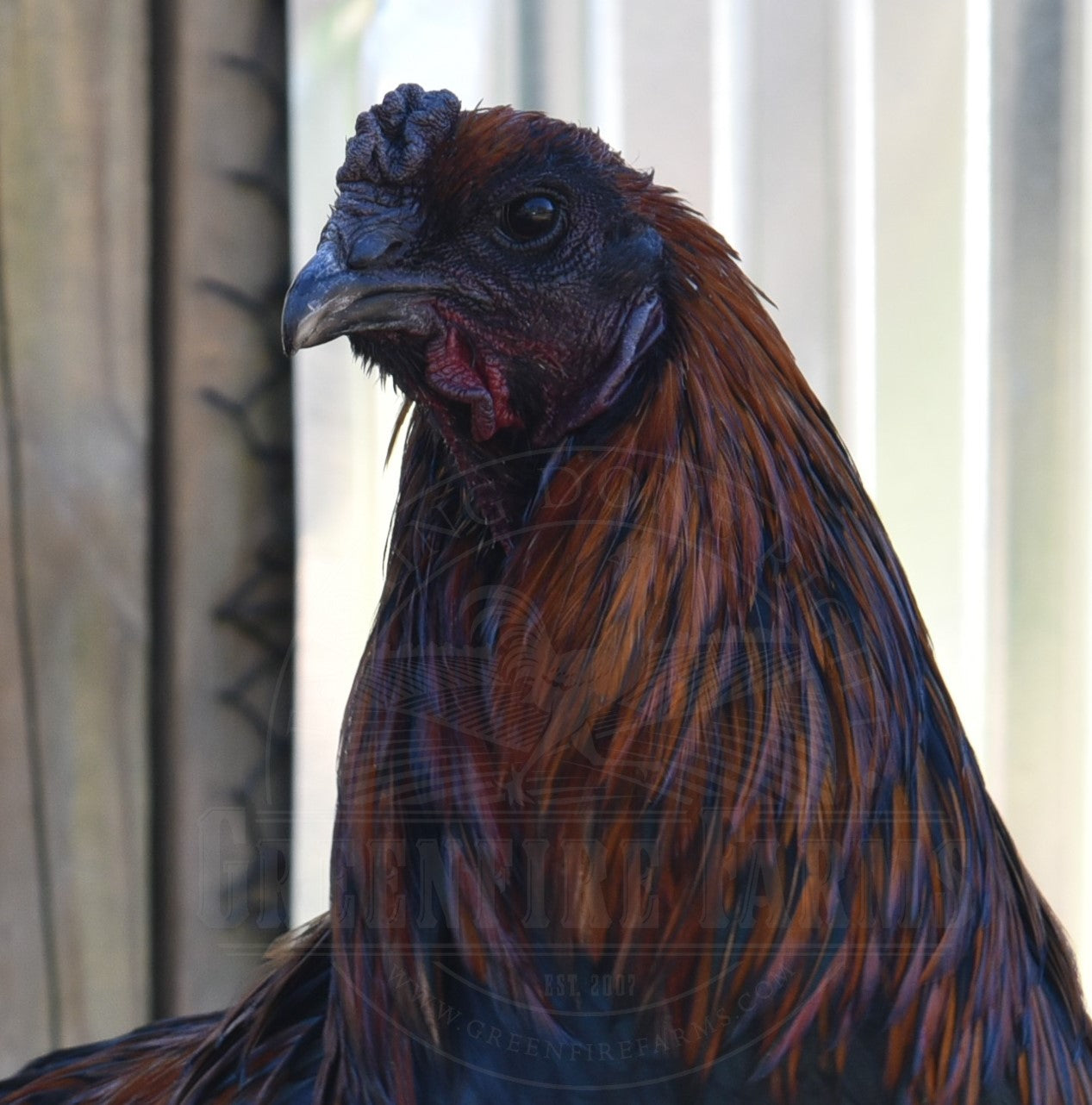
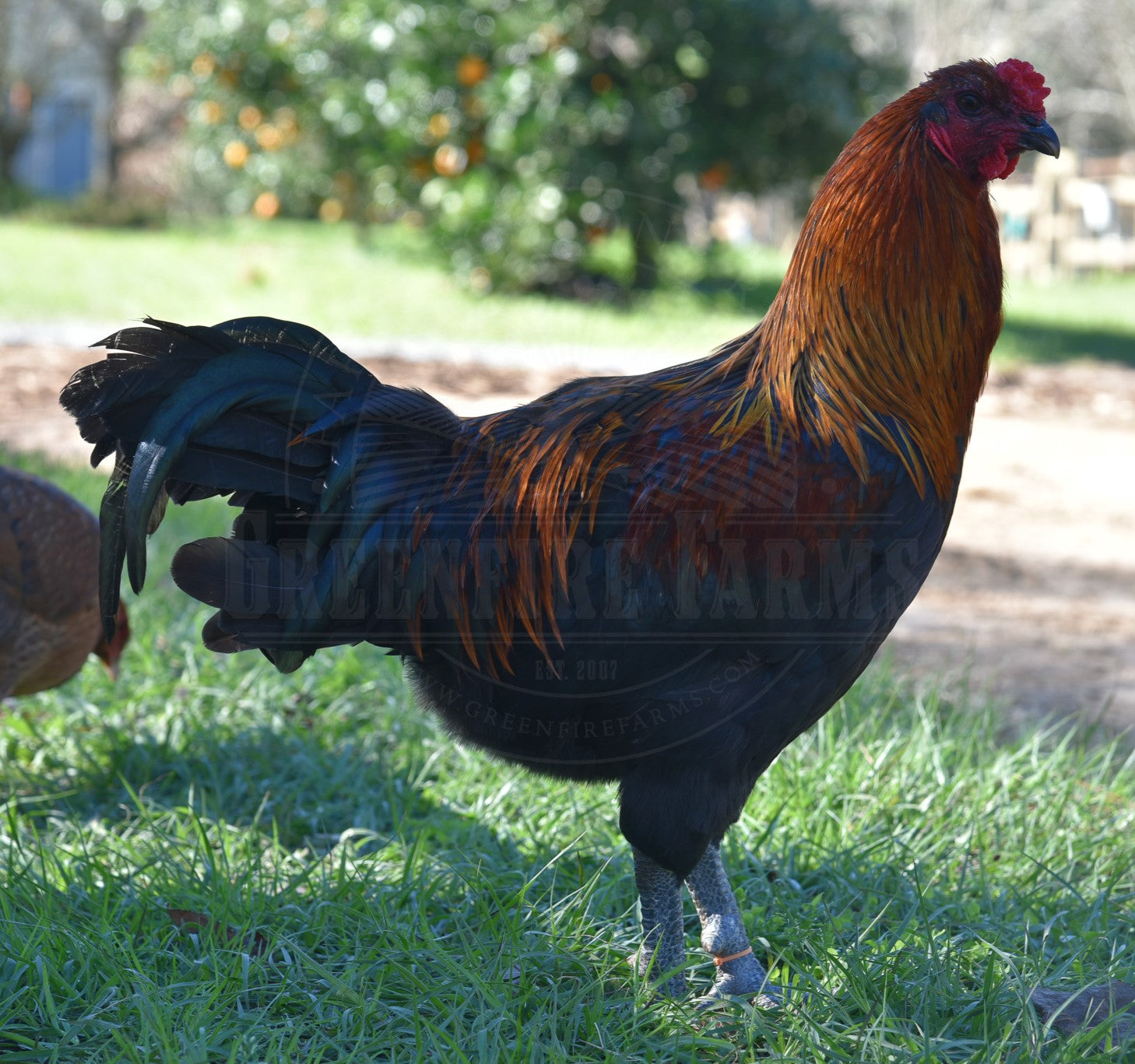
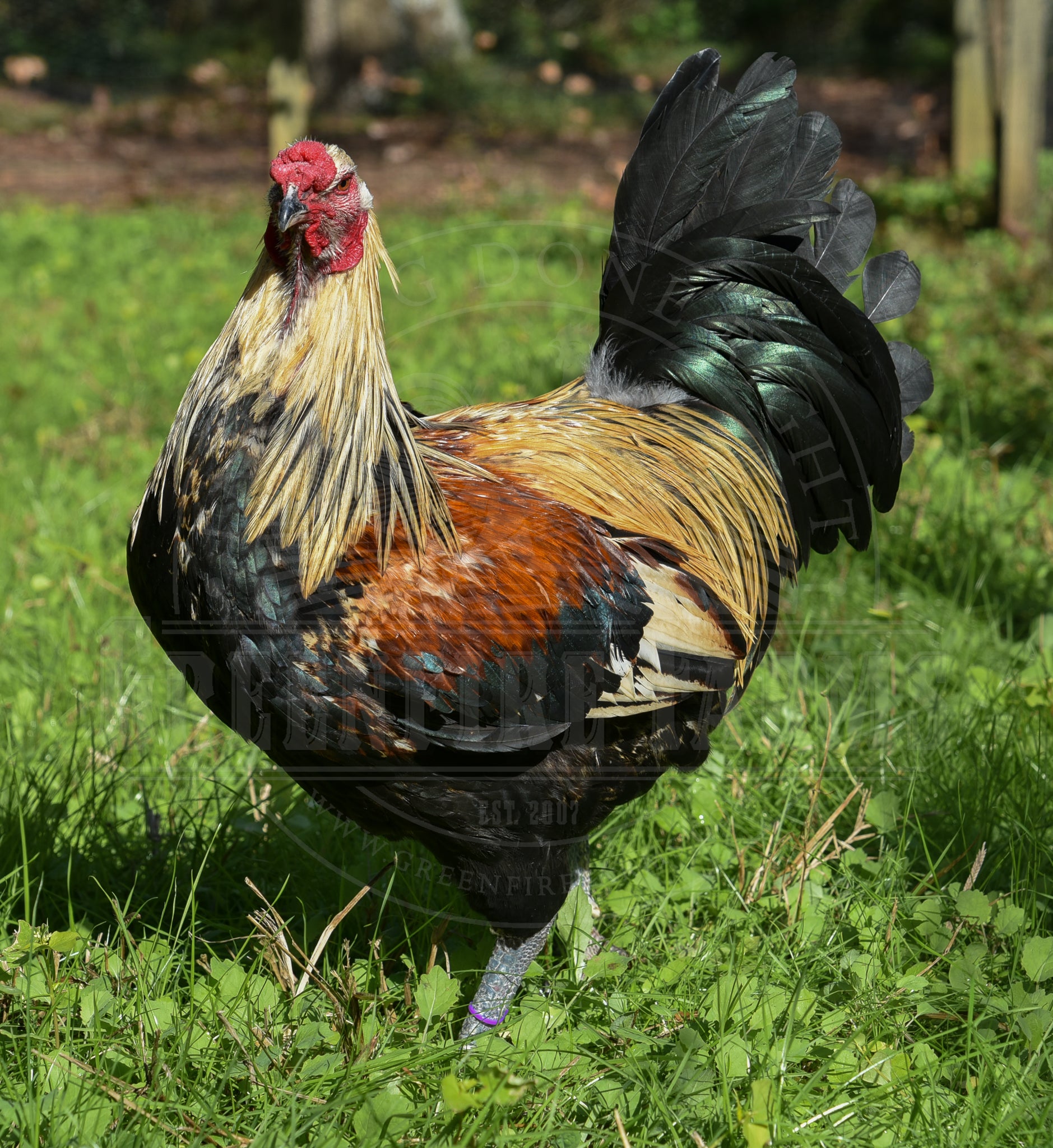
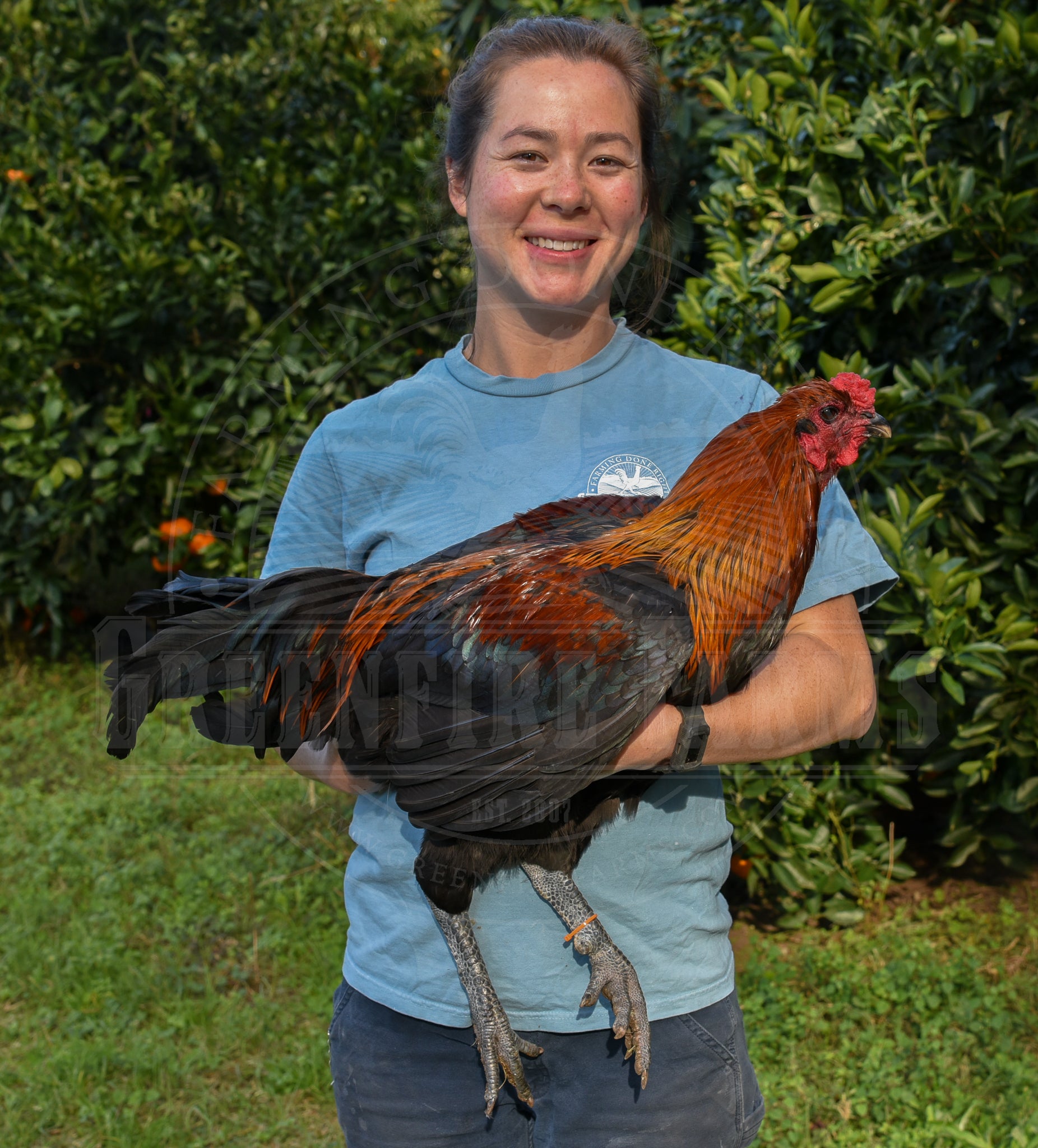
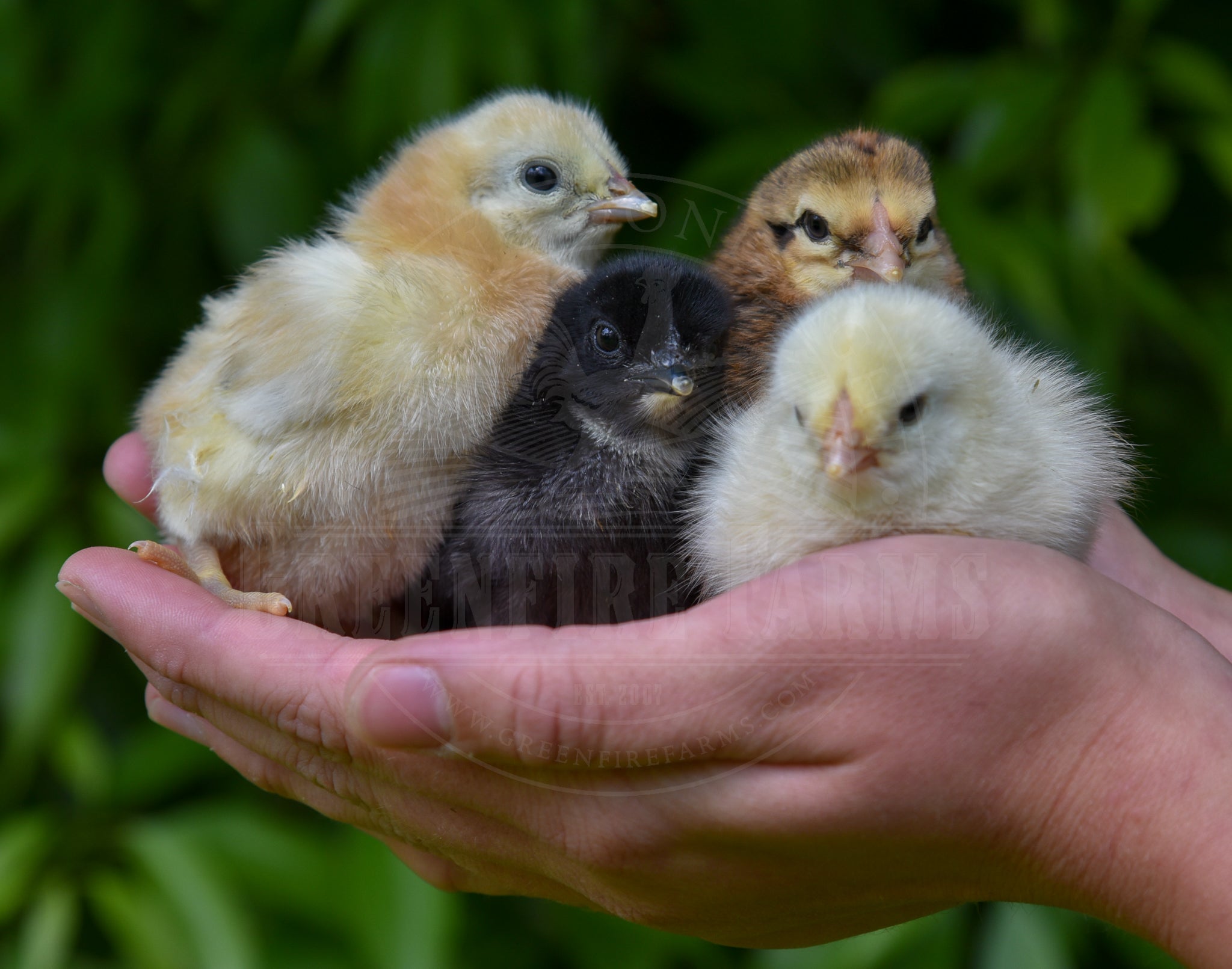
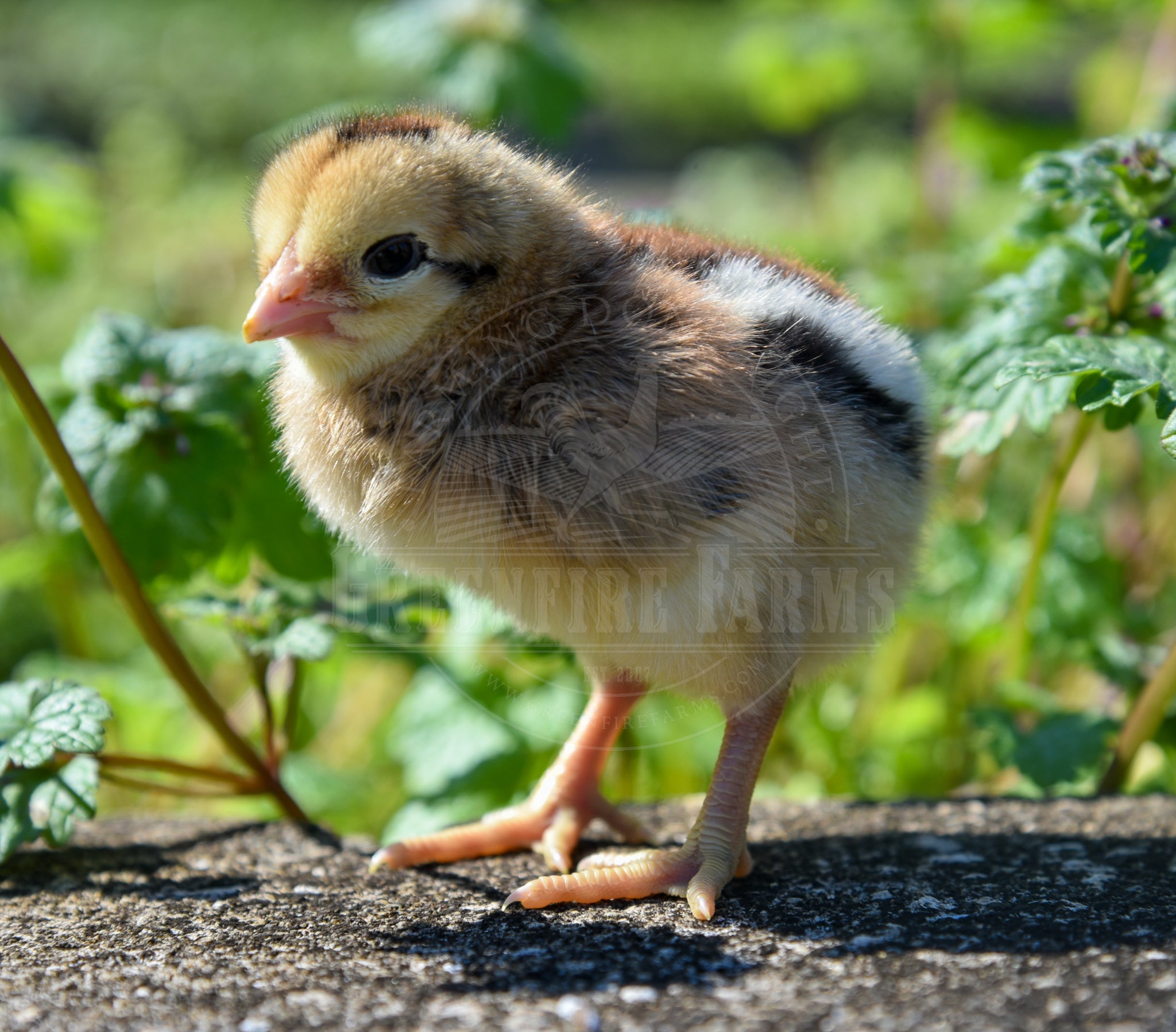
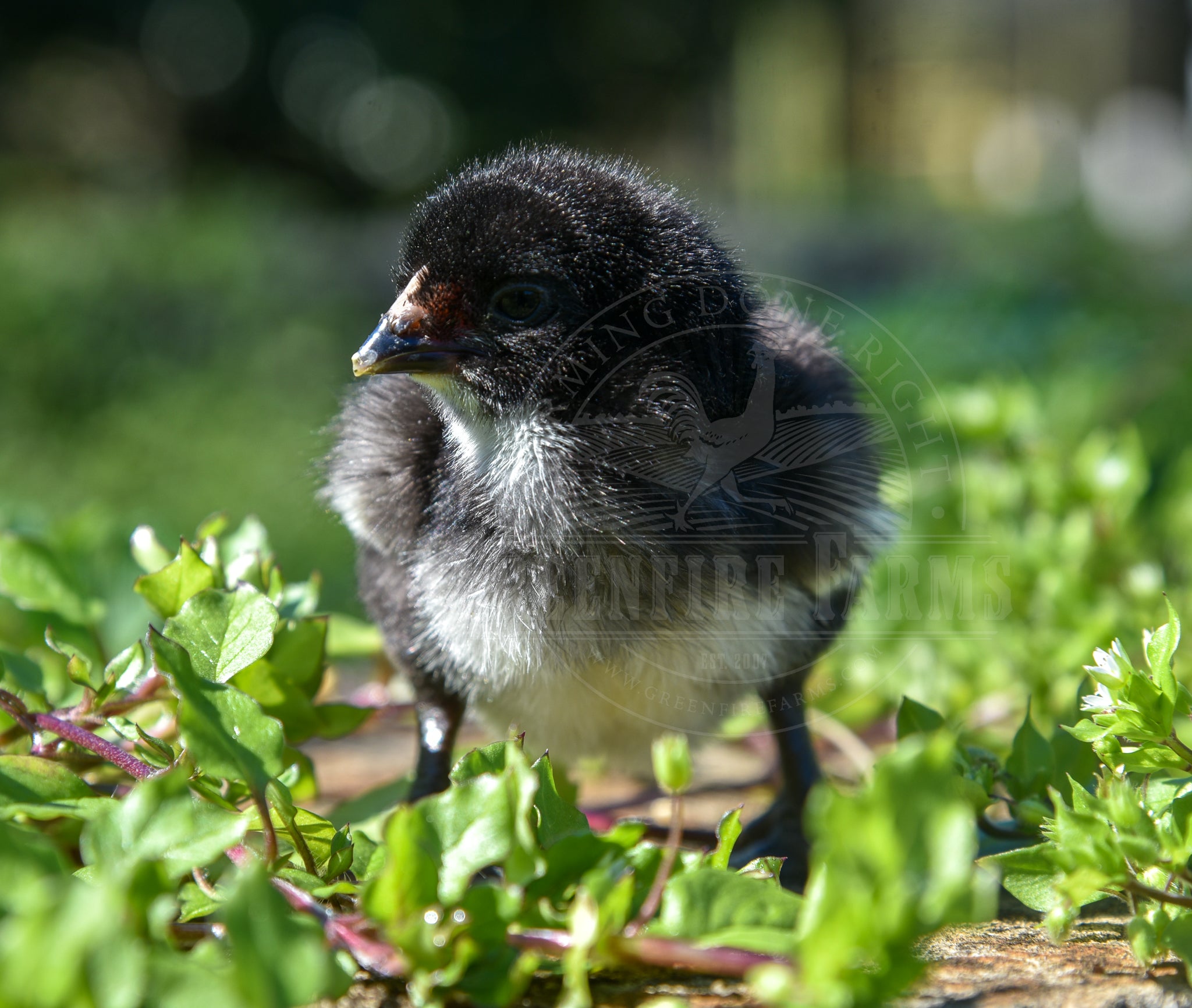
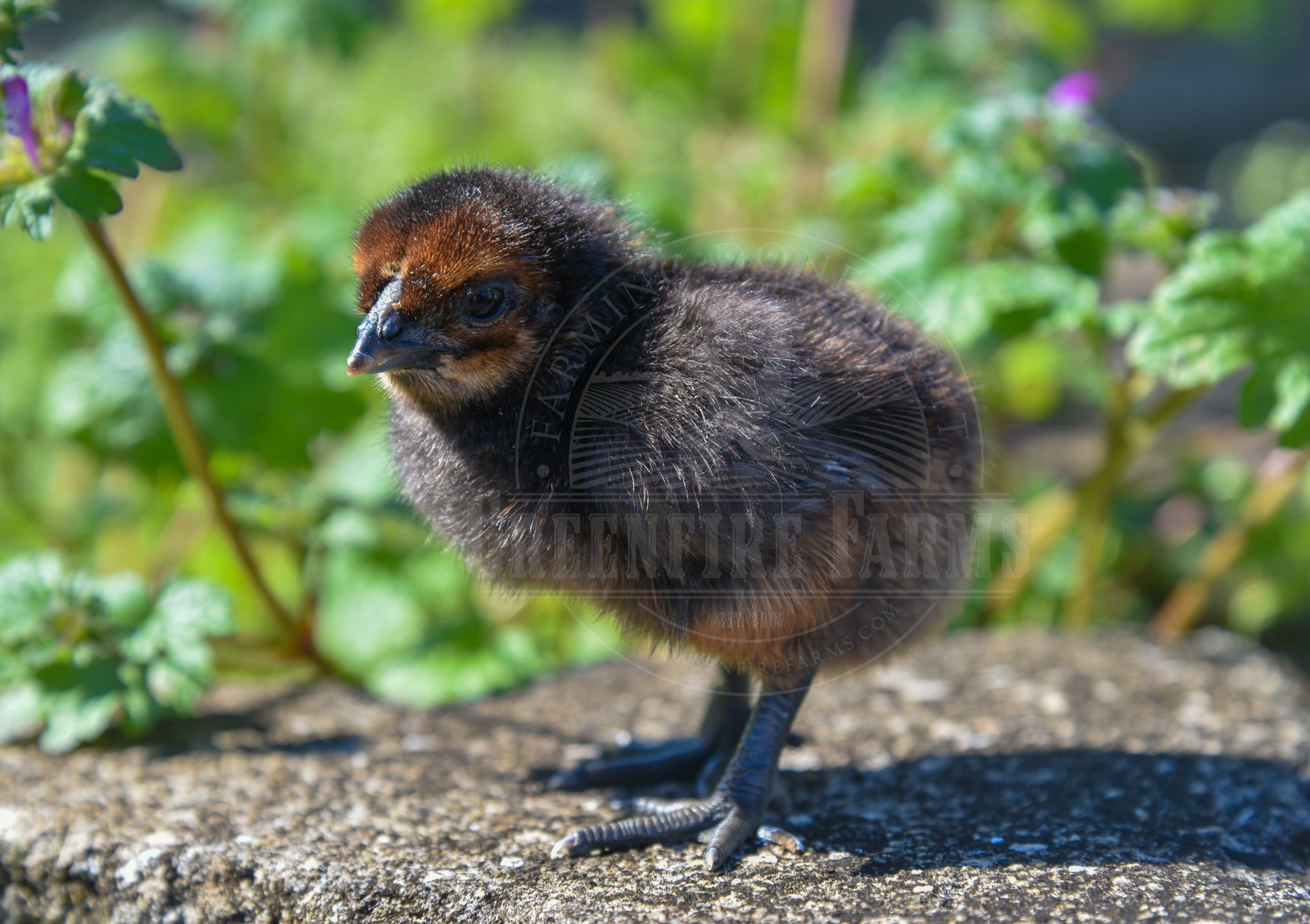
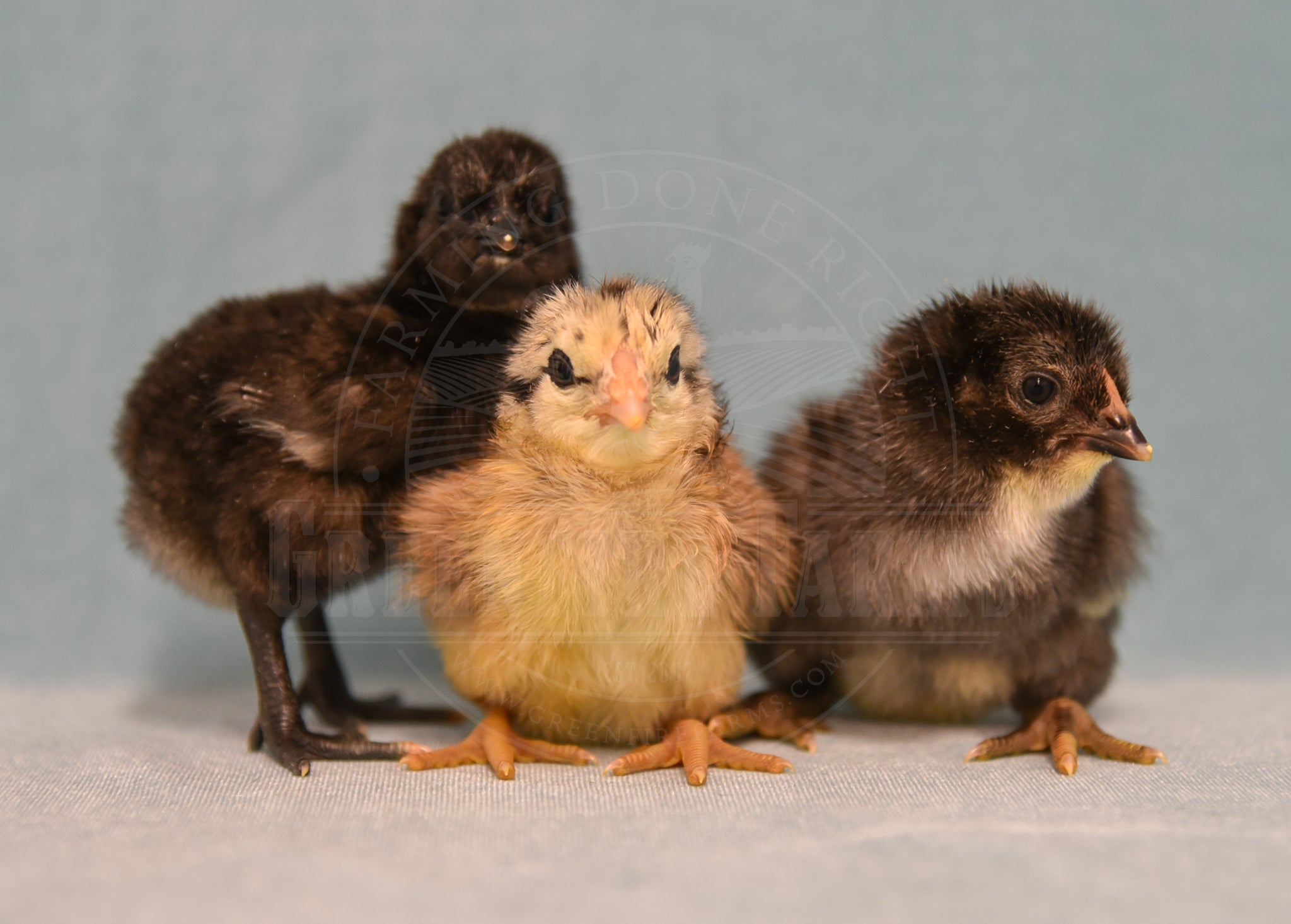
The Bruges Fighter, or Brugse Vechter, is Belgium’s oldest native game fowl, originating in the early 1800s in Bruges. Celebrated for its courage and strength, it influenced other Belgian fighting breeds, though cockfighting bans eventually led to its decline and endangered status, with only around 200 birds remaining by 2010. These birds are tall, muscular, and upright, with over 15 recognized color varieties and dark facial pigmentation. Despite their fierce appearance, Bruges Fighters are generally calm and personable with people, while roosters are territorial with other males and protective of hens. Hens may go broody, and the breed thrives with a 1:8 rooster-to-hen ratio. Key breed traits include a small pea comb, minimal wattles, long neck, broad chest, and slate blue legs, with plumage color secondary to structure. This striking and historic breed is valued both for its heritage and for its role in preserving Belgium’s ornamental game fowl.
Breed History
Appearance and Behavior
Breed Standard
Hatching Eggs
Notes
Breed Availability
|
Aug 11, 2026
|
Bruges Fighter
Breed History
Appearance and Behavior
Breed Standard
Hatching Eggs
Notes
More Details


About
The Bruges Fighter, or Brugse Vechter, is Belgium’s oldest native game fowl, originating in the early 1800s in Bruges. Celebrated for its courage and strength, it influenced other Belgian fighting breeds, though cockfighting bans eventually led to its decline and endangered status, with only around 200 birds remaining by 2010. These birds are tall, muscular, and upright, with over 15 recognized color varieties and dark facial pigmentation. Despite their fierce appearance, Bruges Fighters are generally calm and personable with people, while roosters are territorial with other males and protective of hens. Hens may go broody, and the breed thrives with a 1:8 rooster-to-hen ratio. Key breed traits include a small pea comb, minimal wattles, long neck, broad chest, and slate blue legs, with plumage color secondary to structure. This striking and historic breed is valued both for its heritage and for its role in preserving Belgium’s ornamental game fowl.
Breed History
Appearance and Behavior
Breed Standard
Hatching Eggs
Notes
Breed Availability
|
Aug 11, 2026
|
You may also like