Schijndelaar
Home / / Schijndelaar

About

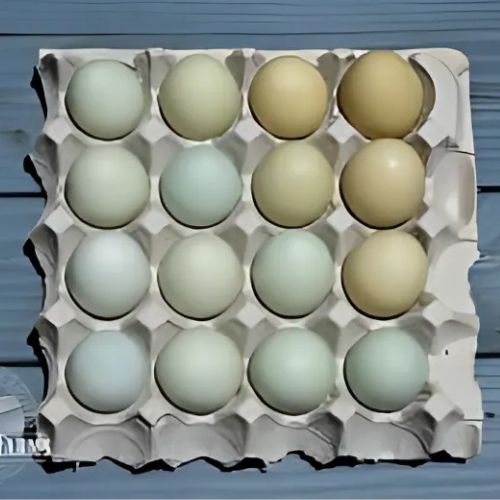
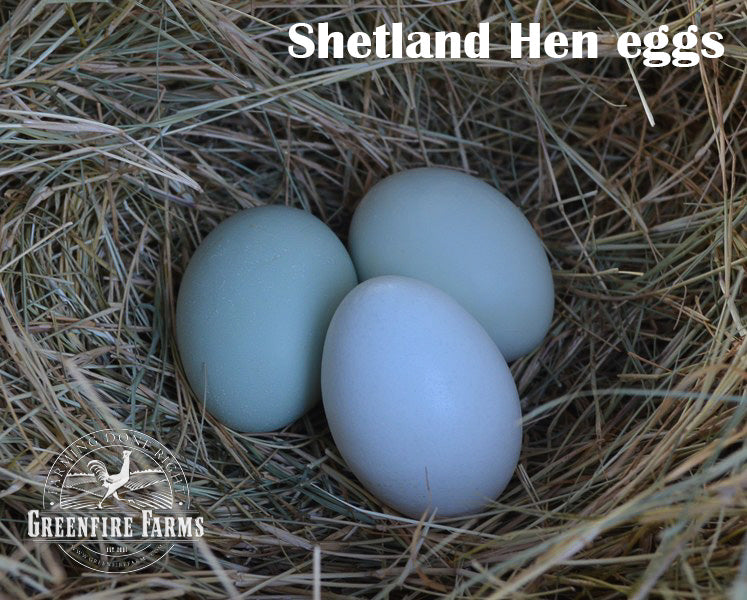
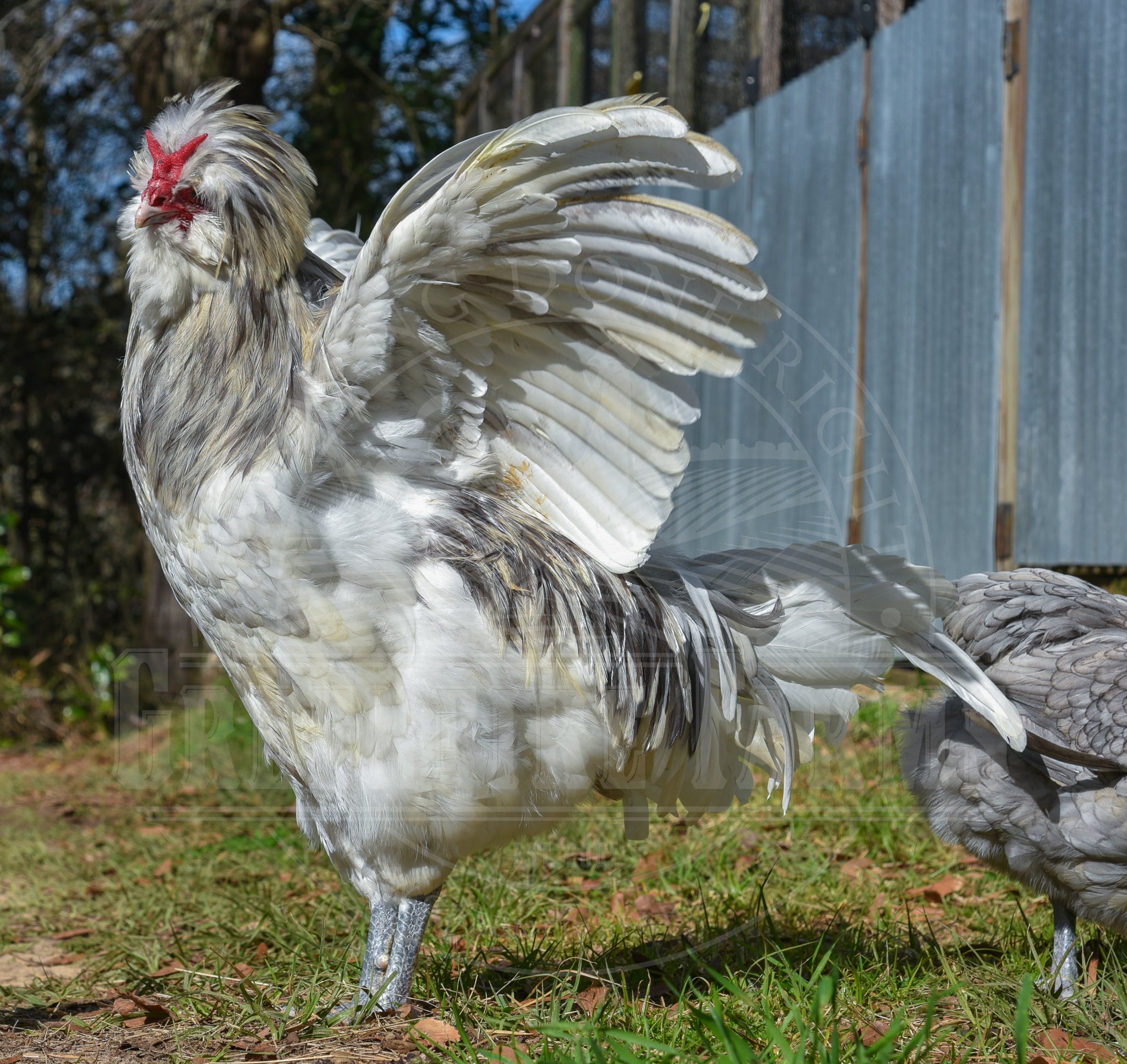
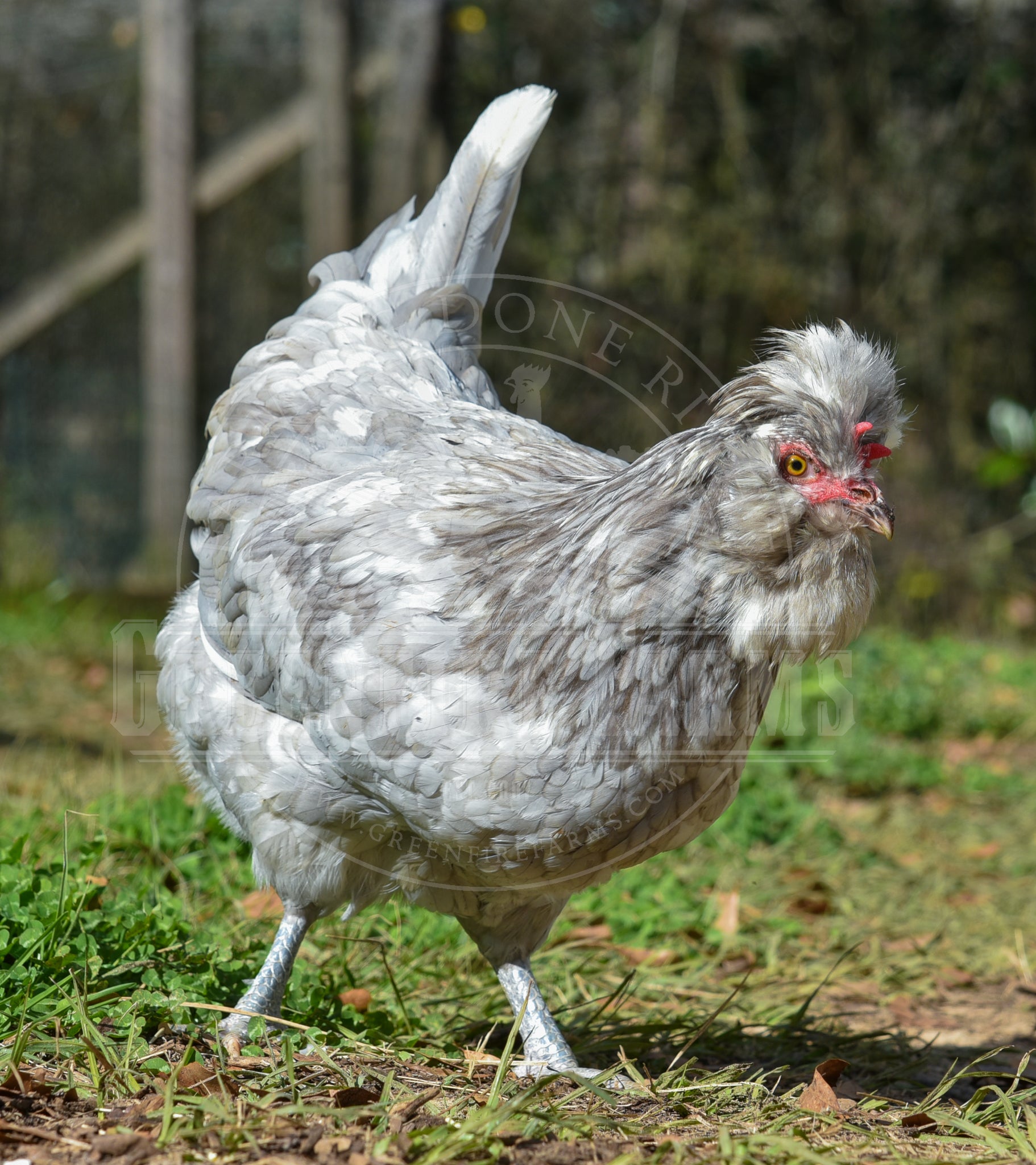
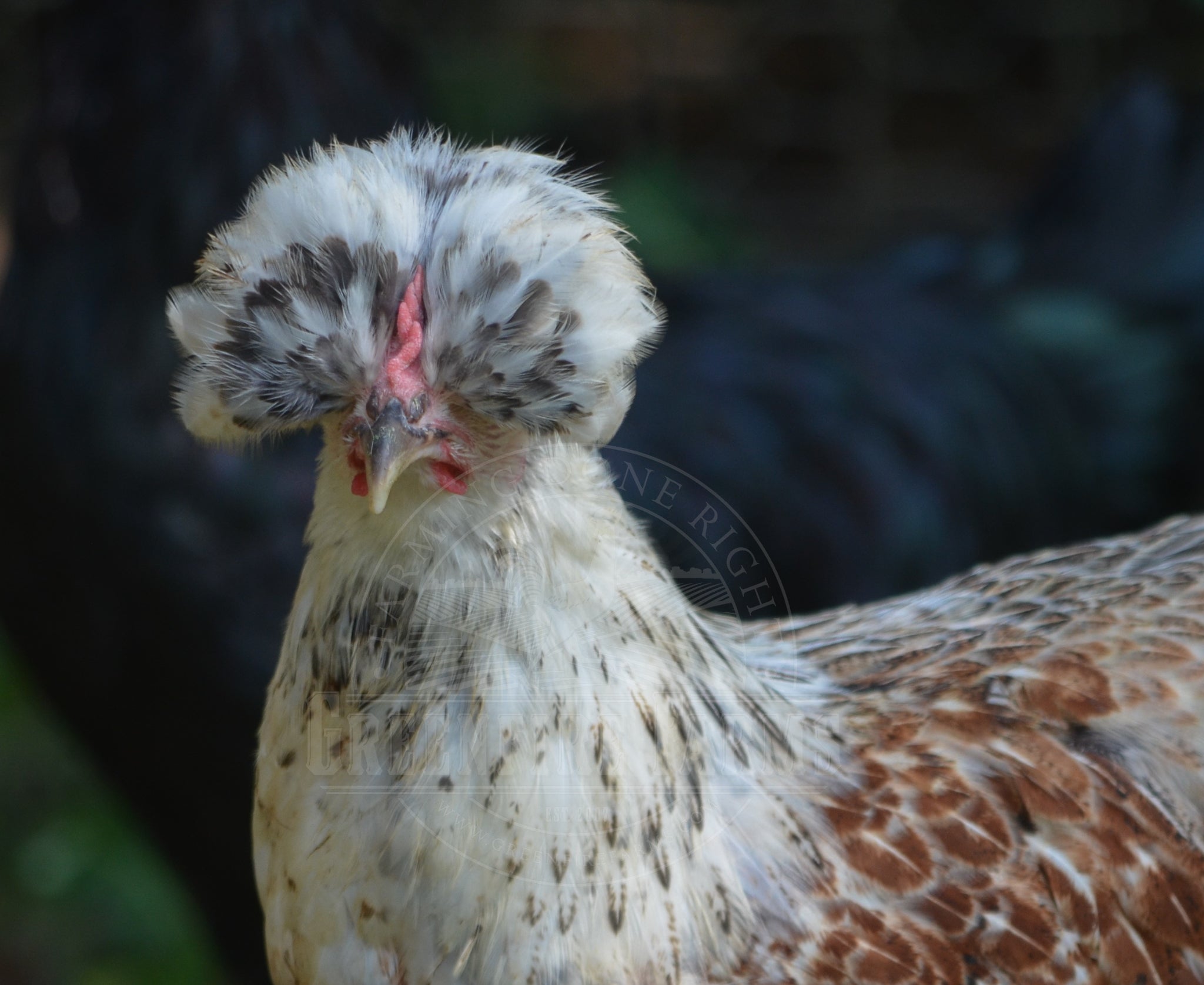
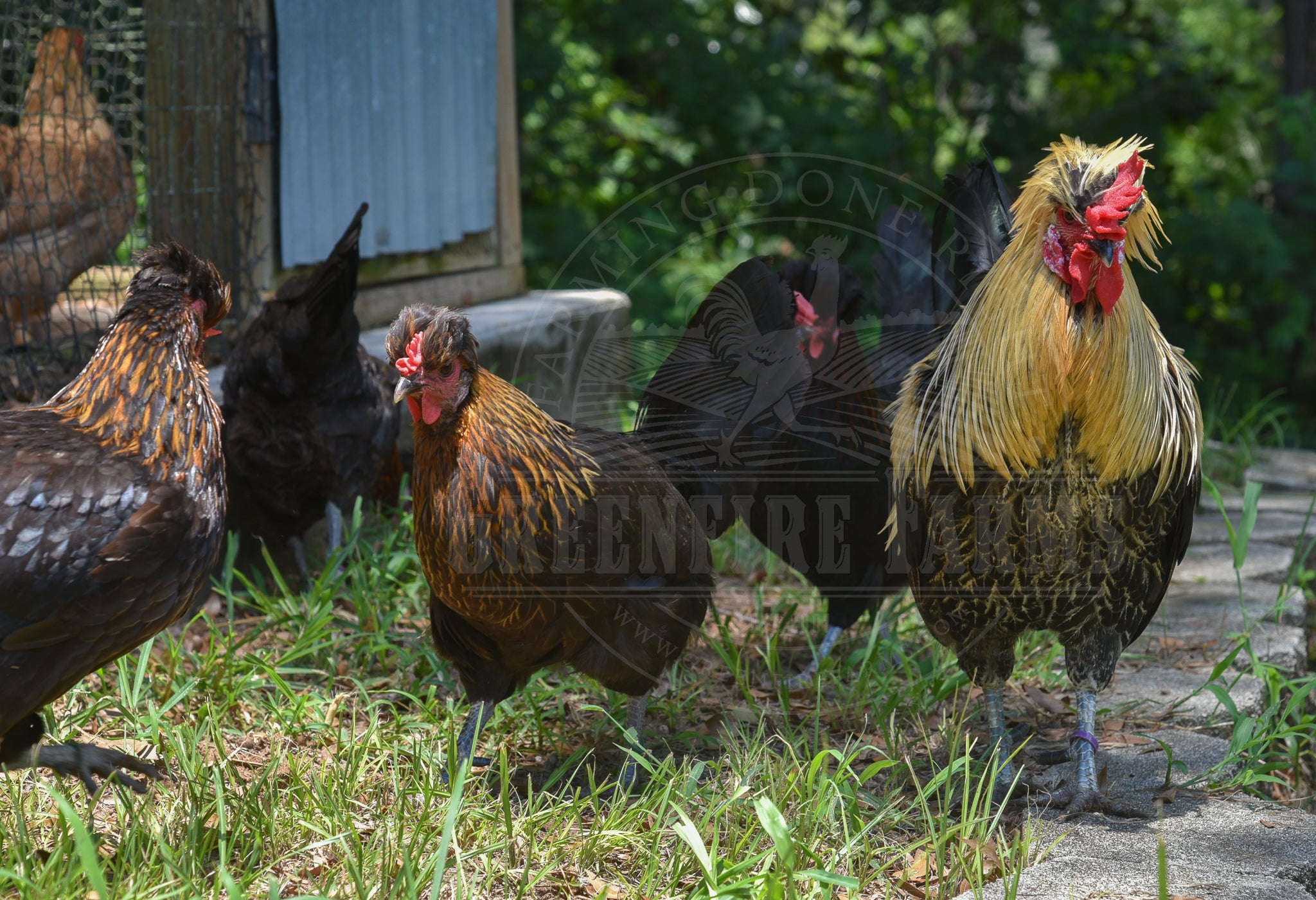
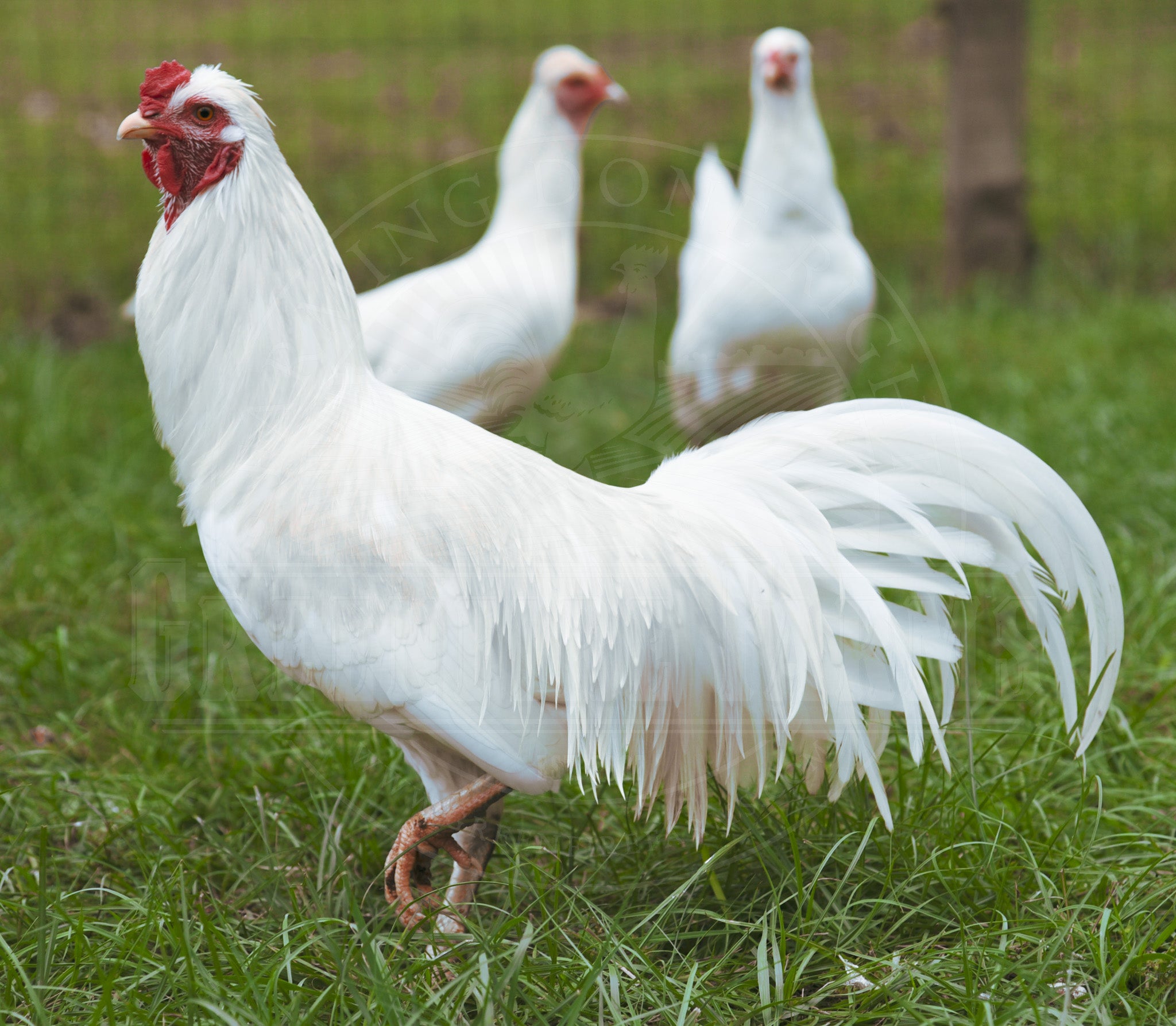
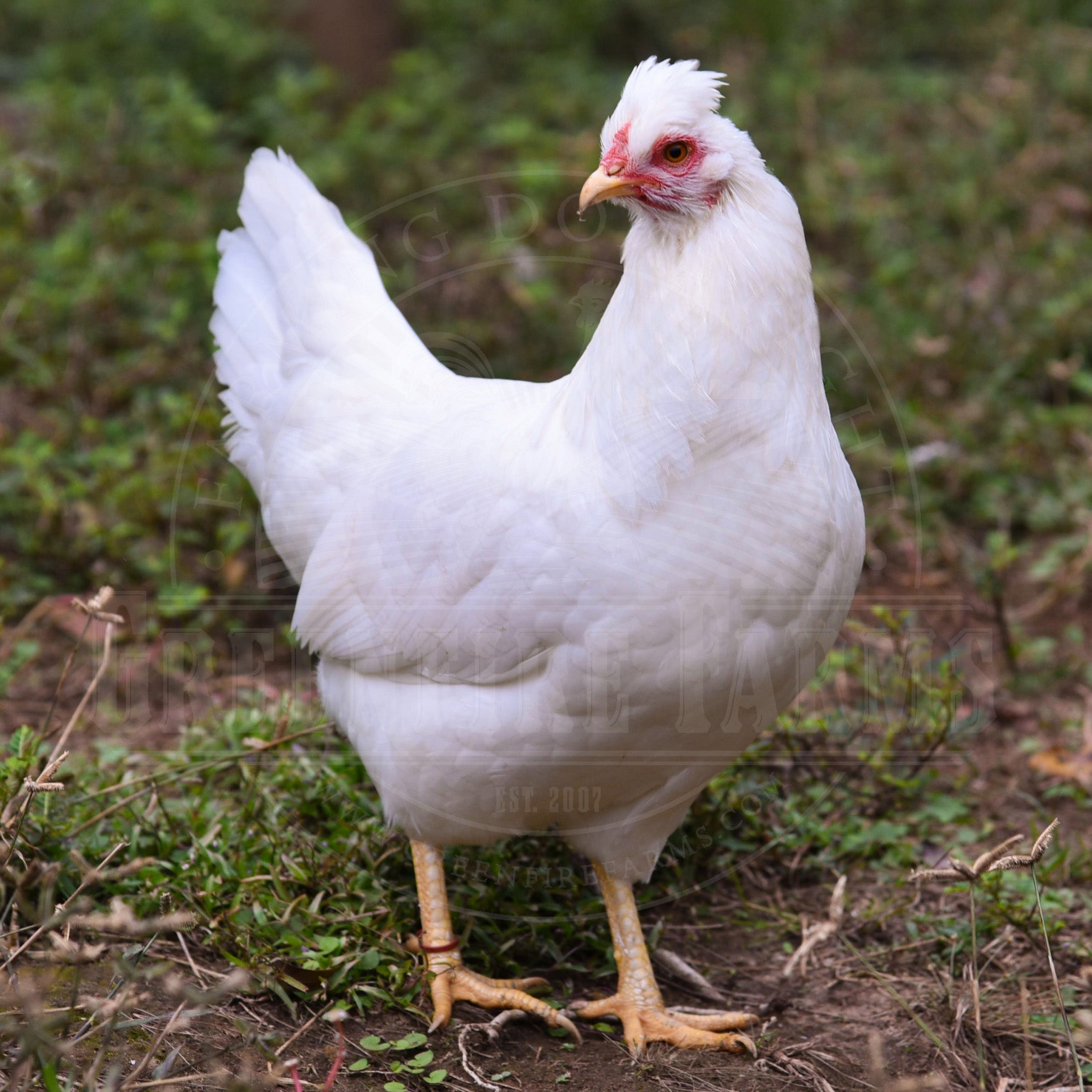
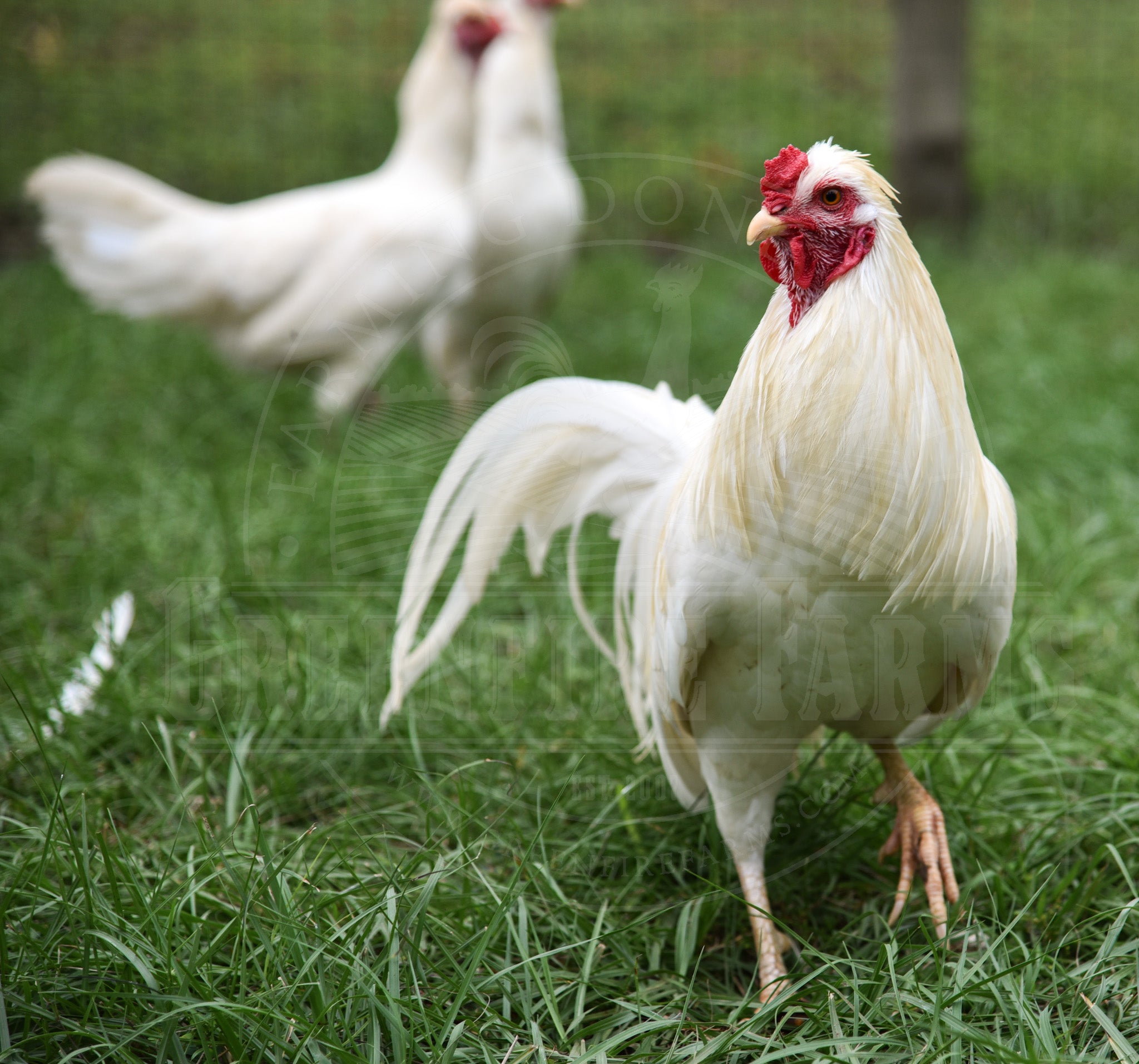
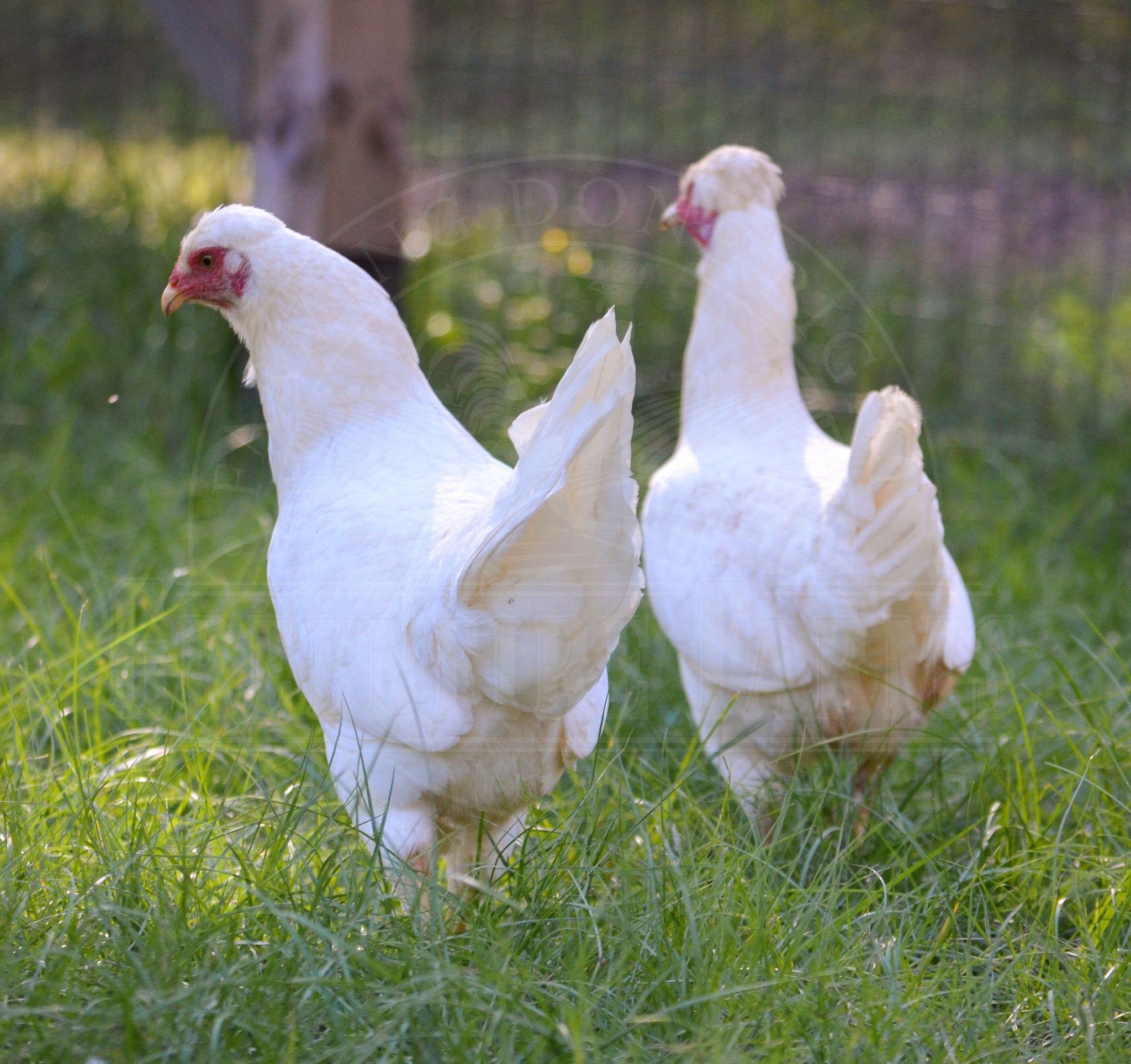
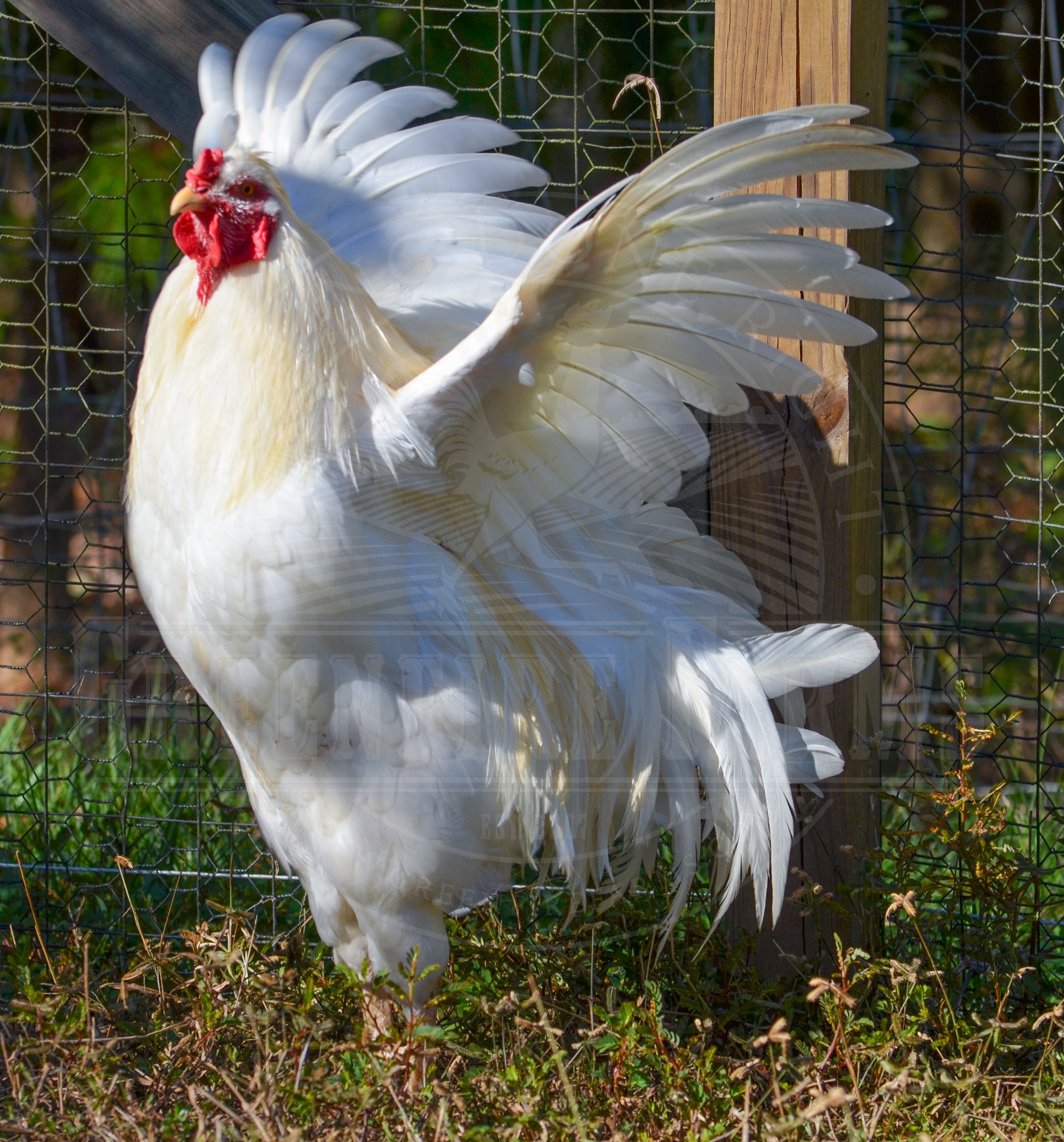
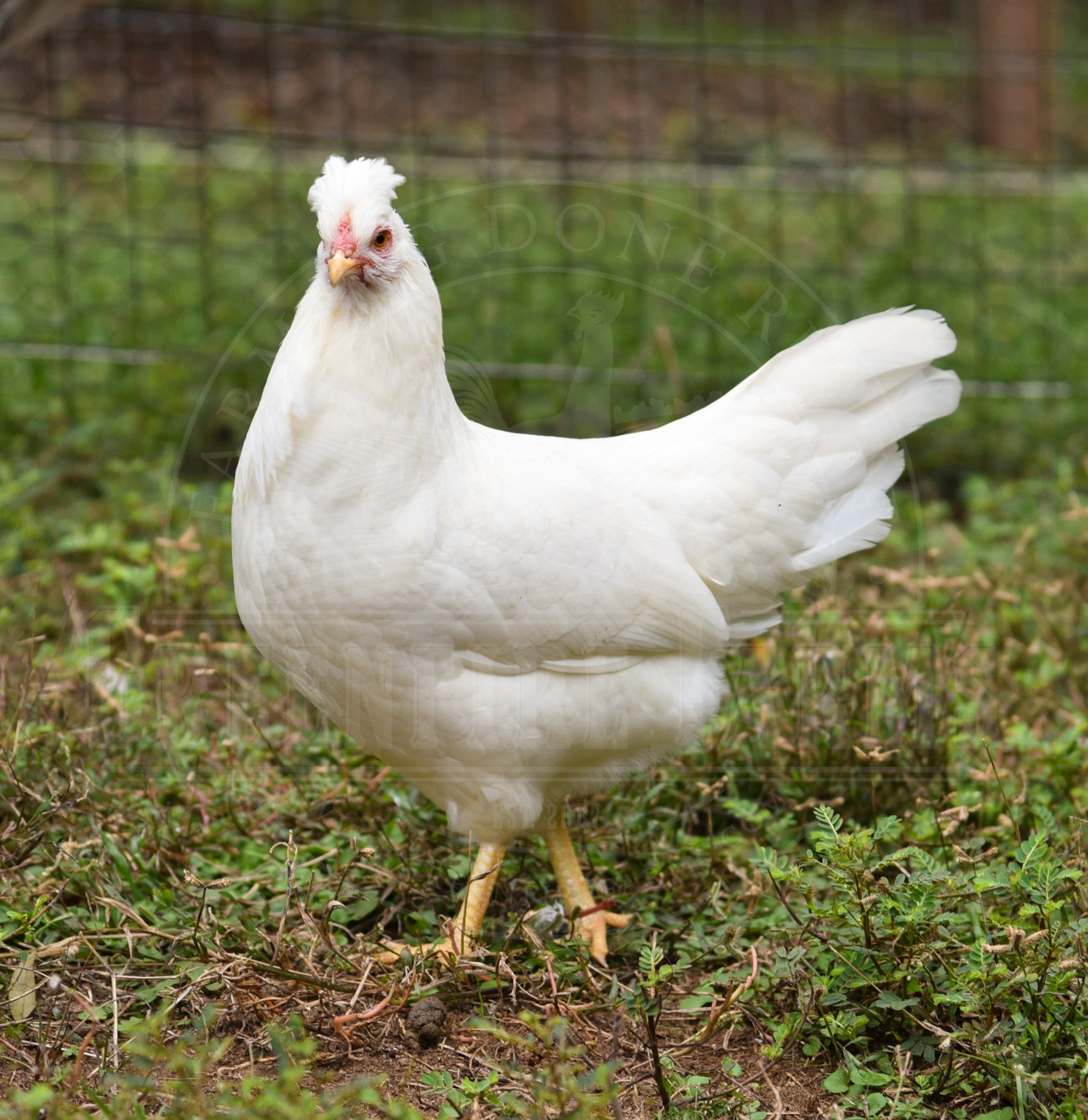
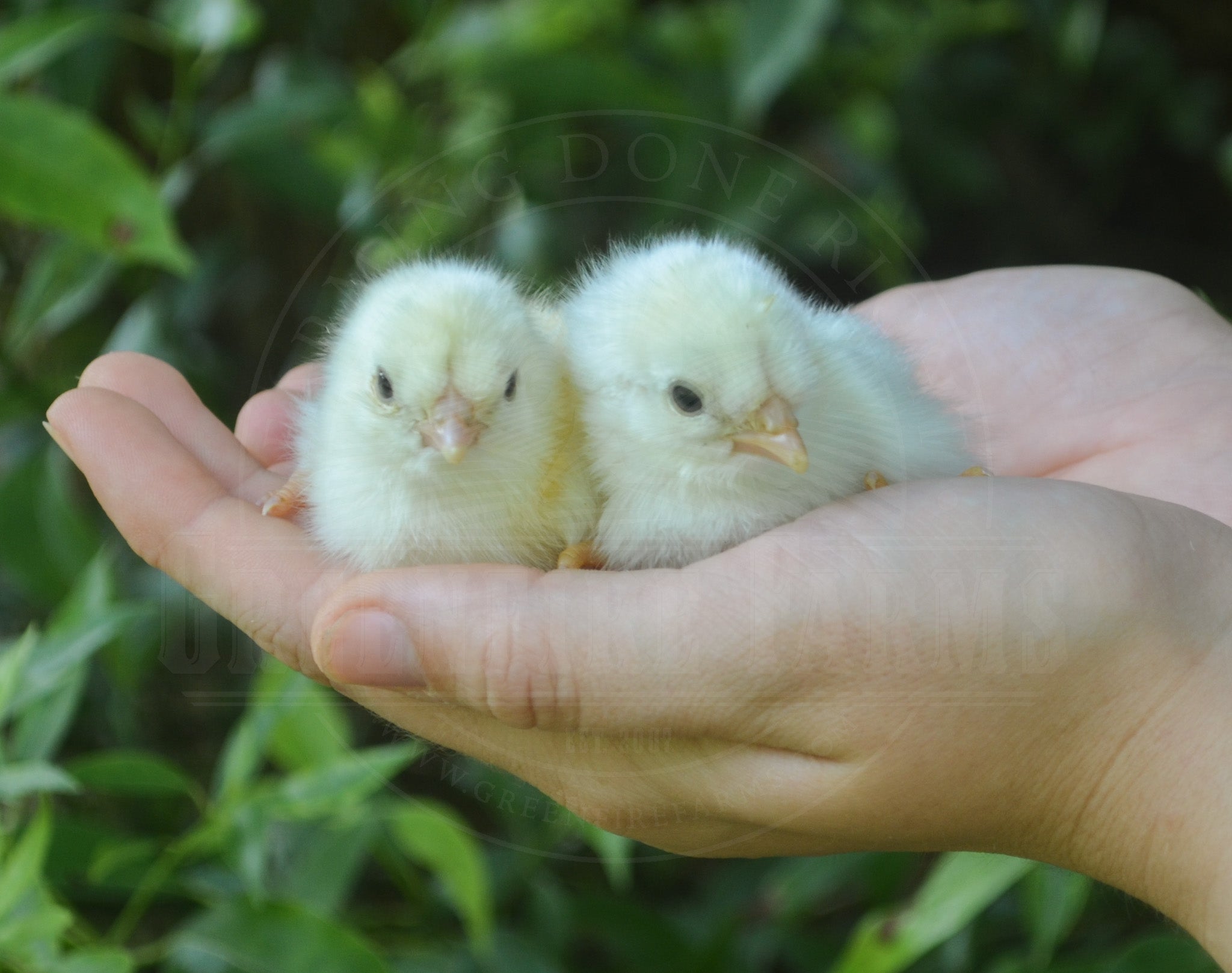
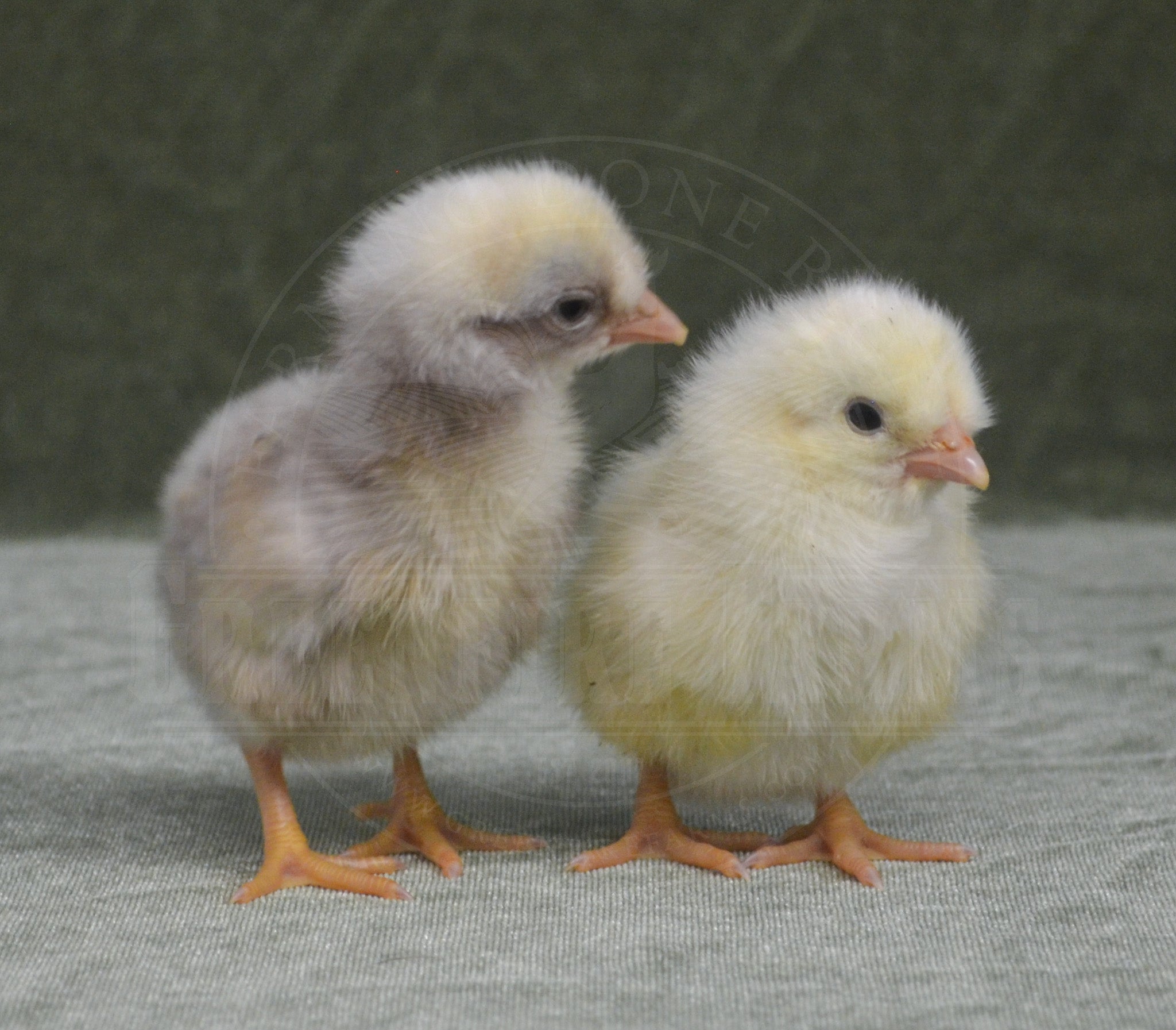
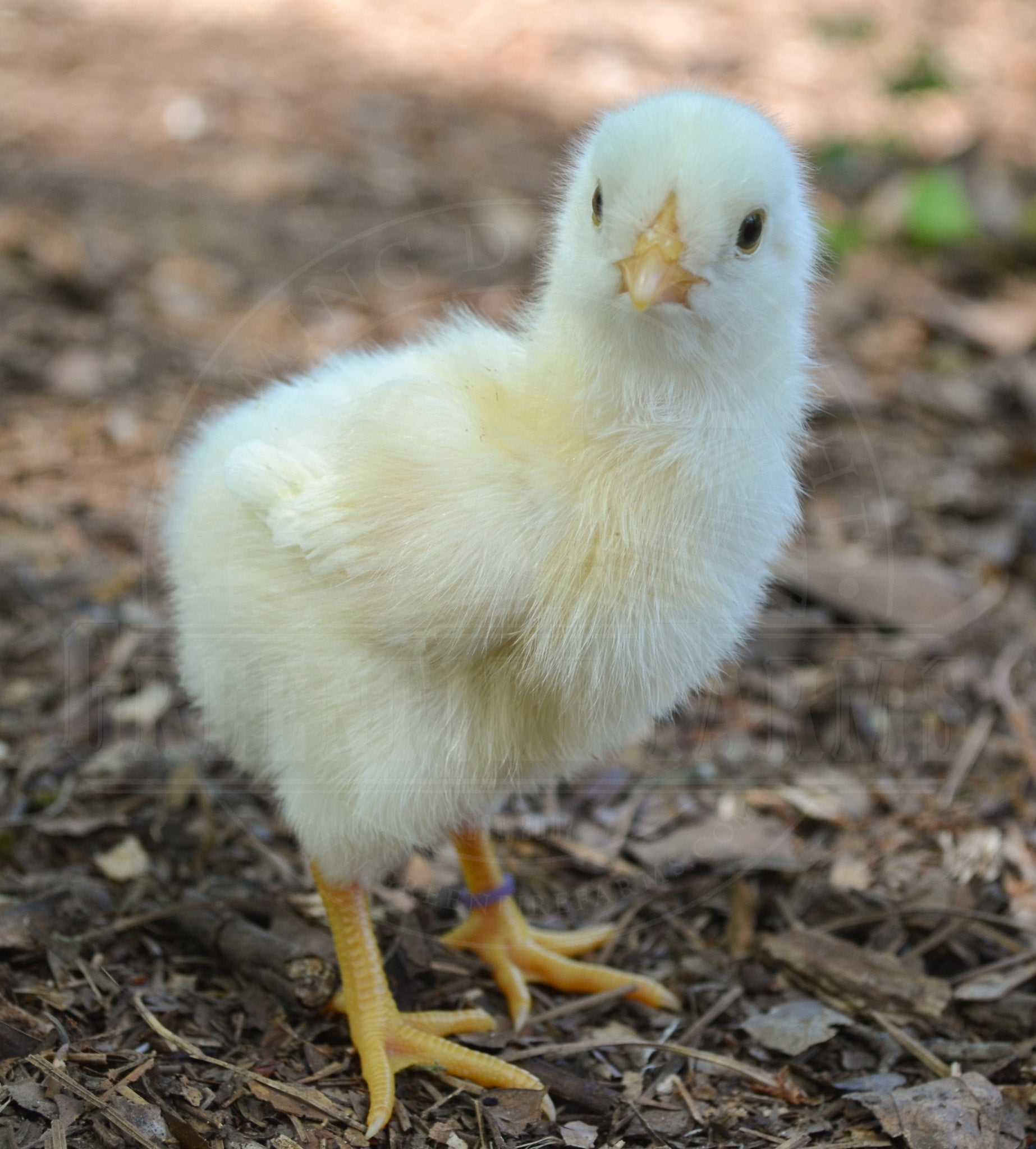
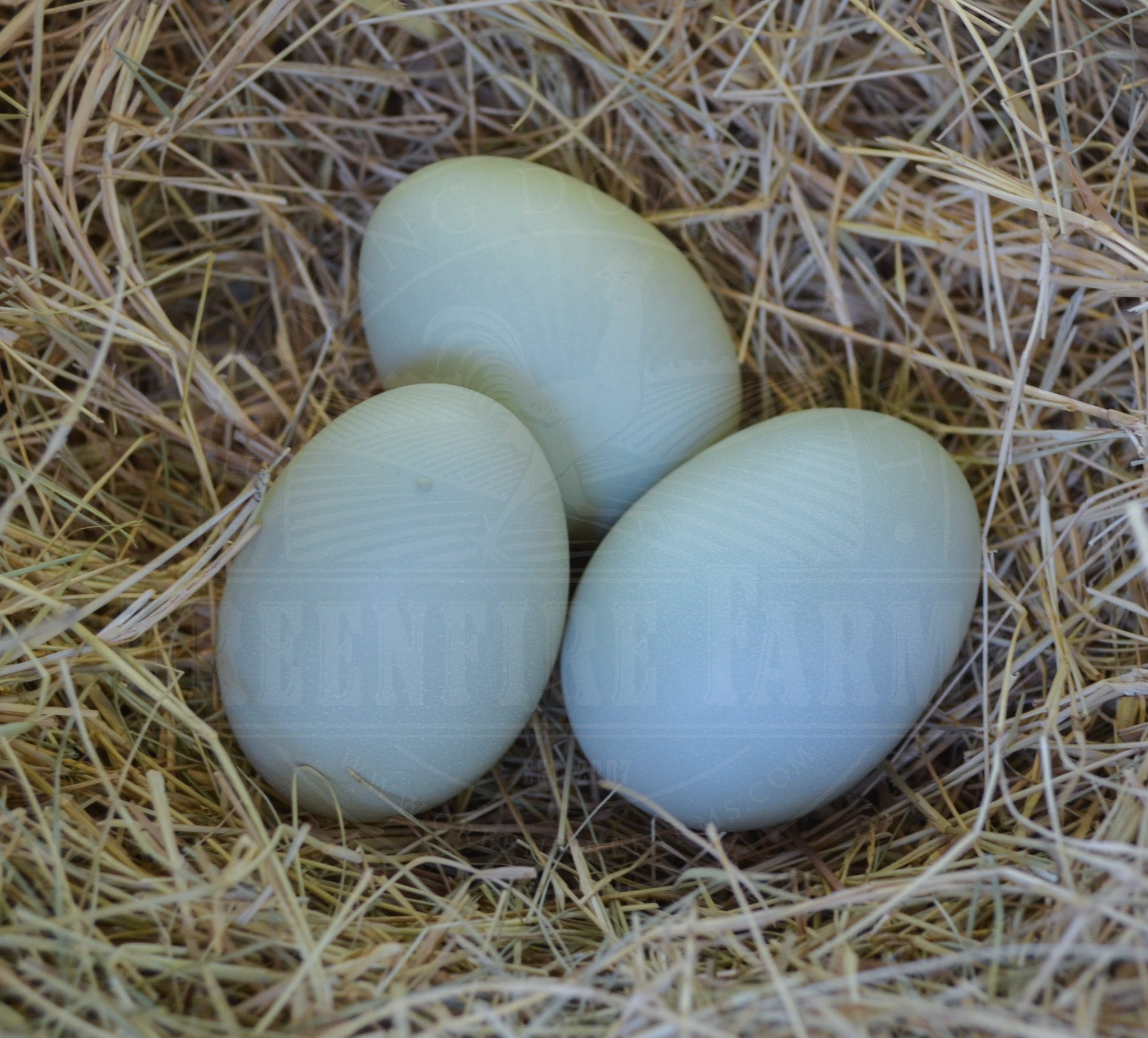
Schijndel is a small Netherlands village that over its seven-hundred-year history has given birth to an astounding number of competitive cyclists and one very interesting poultry breed. (Perhaps two since Schijndel is at the center of the region that gave us the Brabanter.) The Schijndelaar was created by local veterinarian Ruud Kaasenbrood in the late 20th Century by crossing Araucanas (for their blue egg gene), Sumatras (for their long bodies), Dutch crested fowls (for their crests), Brabant fowl (for who know what) and Leghorns (for their legendary egg production). Here is how Dr. Kaasenbrood describes the beer-soaked origins of the Schijndelaar: About 25 years ago, as a member of the ESKV, I gave a lecture at a member meeting about the doctrine of heredity, trying to explain the principles of the Laws of Mendel and the general principles of hereditary doctrine. As the attendees consisted of amateur breeders who were basically all busy perfecting an existing breed, I made clear the usefulness of heredity in this perfecting. In addition, I indicated that with the necessary knowledge and perseverance it should be possible to breed an entirely new breed, which you could call an ESKV grouse or a Schijndelaar, for example. These ideas received little response during the meeting. But after the meeting, when it became very pleasant under the influence of some alcoholic refreshments, we further elaborated the idea of "Schijndelaar" and a nice prototype was created on the back of a beer mat. This type had, apart from a fairly small crest, few head ornaments, had its long tail about horizontal and had to lay green eggs. The white color was officially recognized in the Netherlands in 2001, and later also in Germany and other countries. Other colors include chocolate, blue, black, and cuckoo. Greenfire Farms recently imported the white variety. We've noticed that our flock produces more blue eggs than green eggs. We do get eggs that are also green however the majority tend to be more on the blue side. Their blue eggs are a farm favorite!

Breed Availability

Apr 07, 2026
  • Schijndelaar Day-Old Chick Unsexed : 1
May 05, 2026
  • Schijndelaar Day-Old Chick Unsexed : 3
Jun 16, 2026
  • Schijndelaar Day-Old Chick Unsexed : 6
Jun 30, 2026
  • Schijndelaar Day-Old Chick Unsexed : 6

Schijndelaar

Okay, let’s tackle the tough part first: It’s pronounced “Shine-dul-ar.” And hidden behind this impossible name with colliding consonants is perhaps the coolest modern chicken breed to emerge and be officially recognized in the latter part of the 20th Century.
Select Date
Price
Quantity
Schijndelaar Day-Old Chick Unsexed Total Available:
00.00
0
Apr 07, 2026 Available: 1
$49.00
May 05, 2026 Available: 3
$49.00
Jun 16, 2026 Available: 6
$49.00
Jun 30, 2026 Available: 6
$49.00
Schijndelaar Eggs Total Available:
00.00
Sold Out
Total
00.00
0

    More Detail

    Blue to Green
    Medium
    150 Average Eggs Per Year
    Netherlands
    Year of Import: 2018

    About

    Schijndel is a small Netherlands village that over its seven-hundred-year history has given birth to an astounding number of competitive cyclists and one very interesting poultry breed. (Perhaps two since Schijndel is at the center of the region that gave us the Brabanter.) The Schijndelaar was created by local veterinarian Ruud Kaasenbrood in the late 20th Century by crossing Araucanas (for their blue egg gene), Sumatras (for their long bodies), Dutch crested fowls (for their crests), Brabant fowl (for who know what) and Leghorns (for their legendary egg production). Here is how Dr. Kaasenbrood describes the beer-soaked origins of the Schijndelaar: About 25 years ago, as a member of the ESKV, I gave a lecture at a member meeting about the doctrine of heredity, trying to explain the principles of the Laws of Mendel and the general principles of hereditary doctrine. As the attendees consisted of amateur breeders who were basically all busy perfecting an existing breed, I made clear the usefulness of heredity in this perfecting. In addition, I indicated that with the necessary knowledge and perseverance it should be possible to breed an entirely new breed, which you could call an ESKV grouse or a Schijndelaar, for example. These ideas received little response during the meeting. But after the meeting, when it became very pleasant under the influence of some alcoholic refreshments, we further elaborated the idea of "Schijndelaar" and a nice prototype was created on the back of a beer mat. This type had, apart from a fairly small crest, few head ornaments, had its long tail about horizontal and had to lay green eggs. The white color was officially recognized in the Netherlands in 2001, and later also in Germany and other countries. Other colors include chocolate, blue, black, and cuckoo. Greenfire Farms recently imported the white variety. We've noticed that our flock produces more blue eggs than green eggs. We do get eggs that are also green however the majority tend to be more on the blue side. Their blue eggs are a farm favorite!

    Breed Availability

    Apr 07, 2026
    • Schijndelaar Day-Old Chick Unsexed : 1
    May 05, 2026
    • Schijndelaar Day-Old Chick Unsexed : 3
    Jun 16, 2026
    • Schijndelaar Day-Old Chick Unsexed : 6
    Jun 30, 2026
    • Schijndelaar Day-Old Chick Unsexed : 6

    Share this product with your friends